Goat farming can be a profitable agribusiness, especially for smallholder farmers who have limited land and capital. Goats require relatively little space compared with larger livestock, reproduce quickly and can provide income through the sale of meat, milk, manure and breeding stock.
However, diseases remain one of the biggest challenges facing goat farmers. A sick goat may lose weight, produce less milk, reproduce poorly or even die if treatment is delayed. The good news is that many common goat diseases can be prevented or controlled through proper feeding, hygiene, vaccination, parasite control and early detection.
Understanding the common goat diseases and their control is therefore essential for every farmer.
1. Peste des Petits Ruminants (PPR)
Peste des Petits Ruminants, commonly known as PPR, is a highly contagious viral disease affecting goats and sheep. It can spread quickly within a herd and cause serious losses.
Affected goats may develop fever, depression, watery eyes and nasal discharge. Other signs include sores in the mouth, difficulty breathing, diarrhoea and severe weakness.
Control
Vaccination is one of the most important ways of protecting goats against PPR. Farmers should follow vaccination programmes recommended by veterinary authorities.
Newly purchased animals should also be quarantined before being introduced to the existing herd. Avoid mixing healthy goats with animals showing signs of illness and maintain good hygiene around housing and feeding areas.
If PPR is suspected, contact a veterinary professional immediately because the disease can spread rapidly.
2. Foot Rot
Foot rot is a common problem, particularly where goats are kept in wet and muddy conditions.
It affects the hooves and can cause swelling, foul-smelling discharge, lameness and difficulty walking. Affected goats may spend more time lying down and may struggle to reach feed and water.
Control
Keep goat housing dry and clean. Regularly inspect the hooves and trim overgrown hooves when necessary.
Avoid allowing goats to remain in muddy areas for long periods. Footbaths may also be used where appropriate, but the treatment method should be guided by a veterinary professional.
Early treatment is important because severe foot problems can interfere with feeding, movement and body condition.
3. Pneumonia
Pneumonia affects the respiratory system and can become particularly serious in young goats.
Symptoms may include coughing, nasal discharge, rapid or difficult breathing, fever, loss of appetite and weakness.
Poor ventilation, overcrowding, sudden weather changes and damp housing can increase the risk of respiratory problems.
Control
Provide clean, dry and well-ventilated housing without exposing goats to excessive cold or drafts. Avoid overcrowding and keep bedding dry.
Any goat showing respiratory symptoms should be separated from the rest of the herd and assessed by a veterinary professional.
4. Worm Infestation
Internal parasites are among the most common health challenges in goats. Worms can reduce growth, cause weight loss and contribute to poor productivity.
Signs may include weight loss despite eating, weakness, diarrhoea, rough hair coat and pale membranes around the eyes.
Control
Farmers should avoid indiscriminate deworming. Instead, work with a veterinarian or animal-health professional to develop an appropriate parasite-control programme.
Rotational grazing, avoiding overstocking and maintaining clean feeding areas can also reduce exposure to parasites.
Regularly monitoring goats for signs of parasitism is more useful than waiting until animals become severely weak.
5. Coccidiosis
Coccidiosis is caused by microscopic parasites and is particularly important in young goats.
It can cause diarrhoea, poor growth, dehydration, weakness and loss of appetite. Severe infections can be fatal.
Control
Keep housing clean and dry and avoid overcrowding. Feeders and drinkers should be positioned in a way that reduces contamination with faeces.
Young goats should be monitored closely, particularly when they are kept in confined areas.
If diarrhoea develops, seek veterinary advice to determine whether coccidiosis or another disease is responsible.
6. Orf
Orf, also known as contagious ecthyma, is a viral disease that commonly causes crusty sores around the lips and mouth.
Young goats can struggle to suckle or eat when lesions are severe.
Orf can also infect humans, so farmers should use gloves when handling affected animals.
Control
Separate affected goats from healthy ones and maintain good hygiene. Avoid unnecessarily handling the sores.
Vaccination may be available and appropriate in areas where the disease is a recurring problem, but farmers should seek veterinary guidance before implementing a vaccination programme.
7. Mastitis
Mastitis is inflammation of the udder and is particularly important in dairy goats.
The udder may become swollen, painful, hot or hard. Milk may change in colour or consistency, and milk production can decline.
Control
Maintain clean milking conditions. Wash hands before milking, keep the udder clean and provide clean bedding.
Goats with suspected mastitis should be examined promptly because appropriate treatment depends on the cause. Farmers should not use antibiotics without veterinary guidance.
8. Anaplasmosis and Other Tick-Borne Diseases
Ticks can transmit several diseases affecting goats. Infected animals may show weakness, fever, loss of appetite, anaemia or reduced productivity.
Control
Regularly inspect goats for ticks and maintain appropriate tick-control measures. Keep housing and grazing areas well managed.
Because different tick-borne diseases require different treatments, a veterinarian should confirm the suspected disease before medication is administered.
9. Bloat
Although not an infectious disease, bloat can become an emergency in goats.
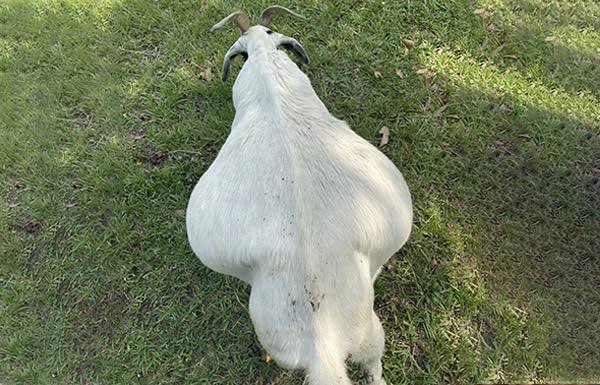
It occurs when excessive gas accumulates in the rumen. The abdomen, particularly the left side, may become visibly swollen. The goat may appear uncomfortable, have difficulty breathing and become severely distressed.
Control
Introduce goats gradually to lush pastures and avoid sudden changes in diet. Be particularly careful when goats move from dry feed to large amounts of lush legumes.
A goat showing severe signs of bloat requires urgent veterinary attention.
How farmers can prevent goat diseases
Prevention is generally cheaper than dealing with serious disease outbreaks. Farmers should establish a simple herd-health programme covering several key areas.
Provide good nutrition: Goats need adequate energy, protein, minerals and clean water to maintain a strong immune system.
Maintain clean housing: Remove manure regularly and keep bedding dry.
Quarantine new animals: New goats should be separated from the existing herd for an appropriate period before introduction.
Vaccinate appropriately: Work with a veterinarian or local animal-health professional to establish the recommended vaccination schedule for your area.
Control parasites: Monitor goats regularly and use appropriate parasite-control measures rather than repeatedly treating animals without guidance.
Keep records: Record vaccinations, treatments, illnesses, births, deaths and changes in weight. Good records help farmers identify recurring problems.
Isolate sick animals: A sick goat should not automatically remain with the rest of the herd. Isolation can reduce the risk of spreading infectious diseases.
When should you call a veterinarian?
Farmers should seek professional help when a goat shows severe or unusual symptoms, experiences difficulty breathing, becomes unable to stand, develops persistent diarrhoea, stops eating, has severe swelling or suddenly dies.
Sudden deaths involving several goats should be treated as a serious warning. Do not simply assume the cause or start administering random medicines.
Goat diseases can significantly affect the profitability of a farming enterprise, but good management can reduce many of the risks. PPR, foot rot, pneumonia, internal parasites, coccidiosis, orf, mastitis, tick-borne diseases and bloat are among the health problems farmers should know how to recognize.
The most effective approach is to focus on prevention, early detection, proper nutrition, hygiene, vaccination, parasite control and timely veterinary care.
For a profitable goat farm, keeping animals healthy is not an extra expense, it is part of the business strategy.

Author: Moureen Koech
Moureen Koech is a passionate Digital Journalist, an adept Agribusiness Writer with a keen eye for news and an impactful story-teller,whose stories provide key value to Agripreneurs and stakeholders in the Agricultural sector