Kenya is one of the world’s leading cut flower exporters and the sector keeps drawing new growers, from large estates to ambitious small-scale farmers. Roses grown around Lake Naivasha reach florists and supermarkets across Europe within days of harvest. This guide covers how big the industry is, what it takes to start, and the challenges to plan for.
Kenya’s cut flower industry in numbers
Kenya ranks among the top four global cut flower exporters and shipped to 143 destinations in 2025. Cut flower export earnings rose from Ksh72.1 billion in 2024 to Ksh81.3 billion in 2025, while volumes climbed from 102,500 to 130,600 tonnes. Cut flowers also made up 62 percent of the value of all horticultural exports last year.
The Kenya Flower Council puts the wider industry’s earnings higher. It estimates about KES110 billion in 2025, roughly 1.5 percent of GDP, supporting over one million livelihoods.
Where the flowers are exported to
The Netherlands took an average of 46 percent of Kenya’s cut flower exports in both 2024 and 2025. Most flowers pass through Dutch auctions and are then redistributed across Europe. Kenya holds about 38 percent of the EU rose market. The Middle East, Russia and Asia are growing as secondary destinations, and diversifying into them reduces your reliance on one region.
Which flowers should you grow?
Roses dominate. They account for around 69 percent of total flower exports. Carnations, alstroemeria, and the “summer flowers” category (such as statice and gypsophila) are also exported. Roses give the strongest demand but need more capital and expertise. Summer flowers can suit growers with less capital and shorter crop cycles.
Choosing a location and setting up
Flowers need reliable water, moderate temperatures, good light, and fast access to an airport. This explains the clusters around Naivasha, Nakuru, Kiambu, Thika, Mount Kenya, and Kajiado. Highland areas at higher altitudes favour large-headed, long-stemmed roses.
Most export growers produce under greenhouses or shade nets to control temperature, humidity, and pests. Drip irrigation and fertigation (feeding plants through the irrigation water) are standard, and a sound water source such as a borehole or a rainwater-harvesting system is essential. Choose varieties your buyers actually want, because export markets follow trends in colour, bud size, and vase life.
Meeting export standards and certification
Buyers demand compliance, and it can make or break market access. The Kenya Flower Council’s Flowers and Ornamentals Sustainability Standard (F.O.S.S.) assures international buyers of ethical and sustainable production. Many farms also hold GlobalG.A.P. or Fairtrade certification. You will also need phytosanitary clearance from the Kenya Plant Health Inspectorate Service (KEPHIS) before each shipment. Keep records of chemical use, worker welfare, and water management from day one, since auditors check them.
Harvesting, Post harvest handling and cold chain
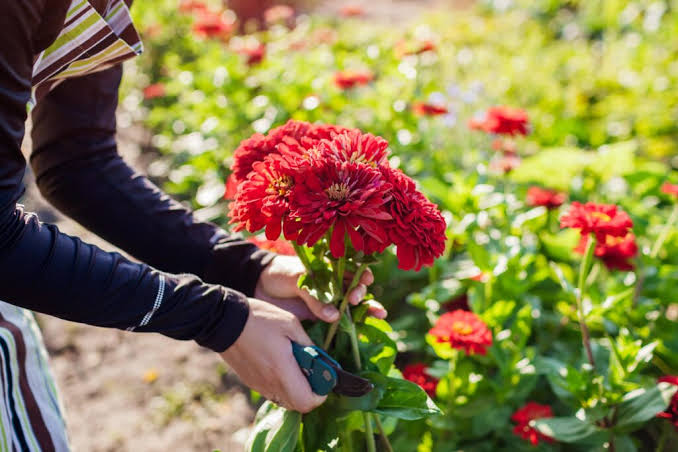
Quality is decided after cutting. Harvest in the cool early morning, move stems to cold storage quickly, grade by stem length and bud size, bunch, and pack in boxes for air freight. A continuous cold chain from farm to aircraft keeps flowers fresh. Because flowers are perishable, you need a cold room, reliable transport, and a clear agreement with a freight forwarder.
Challenges to look out for
Freight is the biggest pressure. The Kenya Flower Council estimates about USD4 million of exports is at risk every week, fertiliser prices rose 25 percent within a week, and some farms reported revenue falls of up to 75 percent. Earlier, carriers cut weekly freighter flights to Belgium and the Netherlands, reducing cargo capacity. Other risks include pests and diseases, volatile input costs, changing EU rules, and weather.
You can protect yourself by securing freight contracts early, spreading sales across several buyers, and keeping a cash buffer for input price jumps.
Opportunities for small and medium growers
You do not need hundreds of acres to enter the sector. Many smaller farmers grow summer flowers, or supply bigger exporters as outgrowers under contract. Groups and cooperatives can pool resources for shared cold rooms and transport. Selling to local hotels, event planners, and supermarkets also builds experience while you work towards export standards.
Getting Started: Practical Steps
1. Research the market and speak to exporters and the Kenya Flower Council.
2. Secure land, a dependable water source, and a business plan with realistic costs.
3. Choose varieties based on buyer demand, and source certified planting material.
4. Build or lease greenhouses and a cold storage facility.
5. Register with the relevant bodies, and work towards the required certifications.
6. Sign up with an export agent or forwarder, and start with a small pilot.
Cut flower farming for export remains one of Kenya’s most valuable agricultural opportunities. It rewards discipline, quality, and good logistics, but it is exposed to freight and input cost shocks. With careful planning, the right certifications, and diversified buyers, new growers can claim a place in this global industry.

Author: Moureen Koech
Moureen Koech is a passionate Digital Journalist, an adept Agribusiness Writer with a keen eye for news and an impactful story-teller,whose stories provide key value to Agripreneurs and stakeholders in the Agricultural sector