Feed is the biggest expense in fish farming, often eating up 60 to 70 percent of total production costs. Many farmers rely on imported or commercial pellets whose prices keep climbing, squeezing profits and slowing the growth of aquaculture. The good news is that fish feed production from local ingredients offers a practical way to cut costs, improve fish growth, and even build a separate business.
Why local fish feed makes sense
Commercial feeds are convenient, but they are expensive and sometimes hard to find in rural areas. Transport costs add further to the price. Producing feed from locally available materials gives farmers control over quality and cost, and it keeps money circulating within the community.
Local feed production also reduces dependence on imported fishmeal and soybean meal, whose prices swing with global markets. A farmer who can formulate and make feed on-site is far better protected from sudden price shocks.
Understanding fish nutritional needs
Before choosing ingredients, it helps to know what fish need. Like other animals, fish require protein, energy from carbohydrates and fats, vitamins, and minerals. Tilapia generally need about 28 to 35 percent protein in the fingerling stage, dropping to around 25 to 30 percent for grow-out. Catfish need slightly more protein, often 35 to 40 percent for young fish.
A good feed balances these nutrients at a cost the farmer can sustain. Getting the formulation right matters, because poorly balanced feed leads to slow growth, poor feed conversion, and water pollution.
Common local ingredients for fish feed
Protein sources. Many affordable protein options are available locally. Silver cyprinid (omena or dagaa), freshwater shrimp, and fish waste from processing are excellent animal proteins. Plant proteins include soybean meal, sunflower cake, cottonseed cake, groundnut cake, and leaf meals such as moringa and leucaena. Black soldier fly larvae and earthworms are growing in popularity because they can be raised cheaply on organic waste.
Energy sources. Maize bran, wheat bran, rice bran, cassava flour, and sweet potato provide the carbohydrates that fuel growth. Rice bran is especially valued because it is cheap and also supplies some fat.
Binders and supplements.Cassava starch or wheat flour helps pellets hold together in water. A small amount of vegetable oil, bone meal, and a vitamin and mineral premix completes the diet.
A simple feed production process
Making fish feed at a small scale is not complicated. The process generally follows these steps:
1. Source and dry the ingredients. Make sure all materials are clean, dry, and free from mould, since aflatoxins can harm fish.
2. Grind to a fine powder. A hammer mill works well. Fine particles improve digestibility and pellet quality.
3. Weigh and mix. Follow a tested formulation, mixing the dry ingredients thoroughly before adding oil and water.
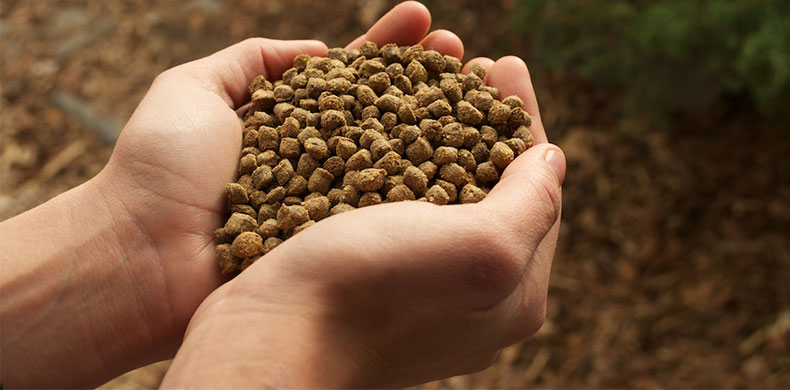
4. Pelletize.A small pelletizing machine or even a modified meat mincer can shape the mixture into pellets of the right size for your fish.
5. Dry and store. Sun-dry or oven-dry the pellets until they are hard, then store them in a cool, dry place away from pests.
Floating pellets require an extruder, which costs more, but sinking pellets are perfectly acceptable for many species like tilapia and catfish.
Cost savings and business opportunities
Farmers who produce their own feed commonly save a significant portion of their feed costs compared with buying commercial brands. These savings go straight to profit, especially for farmers with several ponds.
Beyond self-use, there is real business potential. Neighbouring fish farmers often struggle to find affordable feed, which creates a ready market. A small feed mill serving a cluster of farmers can build steady income, particularly when paired with training and advice. Groups and cooperatives can share the cost of machines, spreading risk and increasing volumes.
Challenges to watch out for
Local feed production is rewarding, but it has its hurdles. Ingredient quality can vary from batch to batch, so testing or at least careful inspection is important. Seasonal shortages of materials like bran or oilseed cakes can disrupt supply, so planning purchases ahead helps. Poor storage can lead to spoilage, and incorrect formulation can hurt growth.
Farmers should also keep records of feed costs, fish growth, and feed conversion ratio. These numbers show whether a recipe is working and where to improve. Seeking guidance from fisheries officers, universities, or experienced feed producers can prevent costly mistakes.
Tips for getting started
Start small with a single tested recipe and compare results against commercial feed in a side-by-side trial. Buy ingredients in bulk when prices are low, and always check for freshness. Invest in a good grinder and pelletizer as your volumes grow, and consider forming a farmer group to share equipment. Above all, never compromise on hygiene and quality, because healthy fish depend on safe feed.
Fish feed production from local ingredients is one of the most effective ways to lower costs and grow a sustainable aquaculture business. By using readily available proteins, energy sources, and simple processing methods, farmers can produce nutritious feed at a fraction of commercial prices. Whether you want to cut your own expenses or supply other farmers, local feed production offers a strong, practical opportunity in the fast-growing fish farming sector.

Author: Moureen Koech
Moureen Koech is a passionate Digital Journalist, an adept Agribusiness Writer with a keen eye for news and an impactful story-teller,whose stories provide key value to Agripreneurs and stakeholders in the Agricultural sector