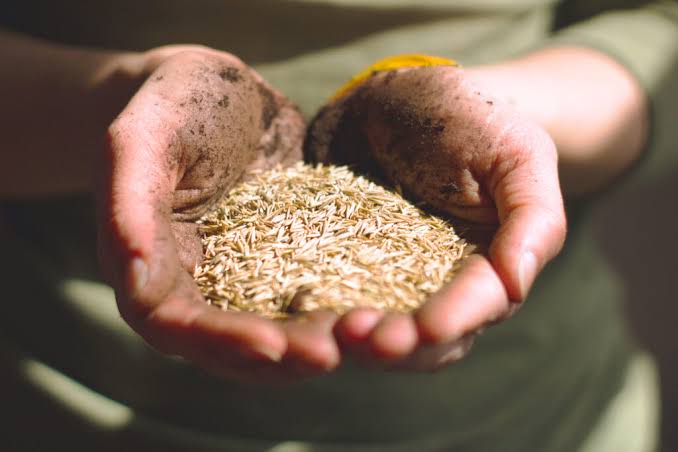
Drought-tolerant seed varieties are crop types developed to produce a reasonable harvest even when rainfall is low or irregular. They may mature earlier, grow deeper roots, use water more efficiently or survive short dry spells better than ordinary varieties. They are created through conventional breeding, selection by research institutions and, in some cases, modern biotechnology.
It is important to understand that “drought-tolerant” does not mean “drought-proof.” These seeds cannot grow without any water, but they can reduce losses and give farmers a better chance of harvesting something when rains fail or stop early.
Why they matter for farmers
Rainfall in many parts of Kenya and Africa has become less predictable, with delayed onsets, long dry spells and sudden storms. Farmers who depend on rain-fed agriculture face repeated losses, which affects food security, income and the ability to repay loans. Drought-tolerant varieties act as a risk-management tool, helping stabilise yields from season to season.
They are also useful in arid and semi-arid areas, where crops like maize, beans and vegetables often fail. Early-maturing varieties can escape late-season drought by finishing their growth before the soil dries out, giving farmers a more dependable harvest.
Common drought-tolerant crops and varieties
Many crops have improved drought-tolerant or drought-escaping varieties. Maize is the most common, with early-maturing and stress-tolerant hybrids and open-pollinated varieties suited to drier zones. Sorghum and millet are naturally hardy and perform well in low rainfall. Beans, cowpeas, green grams, pigeon peas and chickpeas are also popular because they mature quickly and tolerate heat and limited moisture.
Other crops include cassava, sweet potatoes and some improved varieties of vegetables. Specific variety names and availability change over time, so the best approach is to ask local agro-dealers, seed companies, county extension officers and research institutions which certified varieties perform best in your area and agro-ecological zone.
Benefits for farmers and agribusinesses
The main benefit is more reliable harvests. Even in poor seasons, farmers may harvest enough to feed their families and sell surplus. This stability reduces the need to sell assets or borrow during bad years. Over time, lower risk encourages investment in better inputs and farm practices.
For agribusinesses, drought-tolerant crops mean more consistent supply of grain, pulses and other produce for processing and trading. Millers, aggregators and exporters can plan better when production is less vulnerable to weather shocks. Seed companies and agro-dealers also benefit from growing demand for climate-smart products.
How to choose the right variety
Selecting seed should be based on your local conditions rather than general advice. Consider your rainfall pattern, altitude, soil type, season length, pests and diseases, and market demand. Choose varieties that mature within the usual rainy period in your area and that buyers want.
Always buy certified seed from licensed suppliers, check the packaging for variety name, germination rate, expiry date and certification label, and keep your receipt. Avoid unmarked or recycled seed sold as improved, since it may not perform as promised. Ask for demonstration plots or farmer experiences in your area to see how the variety performs.
Best practices for growing drought-tolerant varieties
Good seed still needs good farming. Prepare the land early, plant at the start of the rains and use recommended spacing. Practices such as mulching,; minimum tillage, terraces, water harvesting and weed control help the soil retain moisture and reduce competition for water.
Improve soil fertility with manure or compost and apply fertilizer according to soil needs, since healthy plants cope better with stress. Monitor for pests and diseases, as stressed crops are more vulnerable. Combining drought-tolerant seed with soil and water conservation delivers the best results.
Business opportunities in drought-tolerant seed
There are several opportunities for entrepreneurs. Agro-dealers can stock certified drought-tolerant seed and educate farmers on suitable varieties. Seed multipliers can produce certified seed under contract with seed companies, serving local demand. Farmer groups can aggregate orders to get better prices and share knowledge.
Agribusinesses can also build value chains around these crops, such as processing sorghum or millet flour, packaging pulses or supplying grain to institutions. Training and demonstration services are another growth area, since farmers need practical proof before they adopt new seed.
Challenges and limitations
Some drought-tolerant seeds cost more than traditional varieties, and availability may be limited in remote areas. Farmers may lack information or trust in new seed, especially if past experiences were poor. Performance still depends on rainfall, soil and management, and in severe drought even tolerant crops can fail.
To manage these risks, diversify crops, use farmer demonstrations to test varieties on small plots first, and consider crop insurance where available. Seek advice from extension services and research institutions, and avoid relying on a single variety.
Drought-tolerant seed varieties give farmers a practical tool for coping with unpredictable weather and protecting their livelihoods. By choosing certified seed suited to local conditions, following good farming practices and linking with trusted advisers, farmers and agribusinesses can build more resilient and profitable production systems.

Author: Moureen Koech
Moureen Koech is a passionate Digital Journalist, an adept Agribusiness Writer with a keen eye for news and an impactful story-teller,whose stories provide key value to Agripreneurs and stakeholders in the Agricultural sector