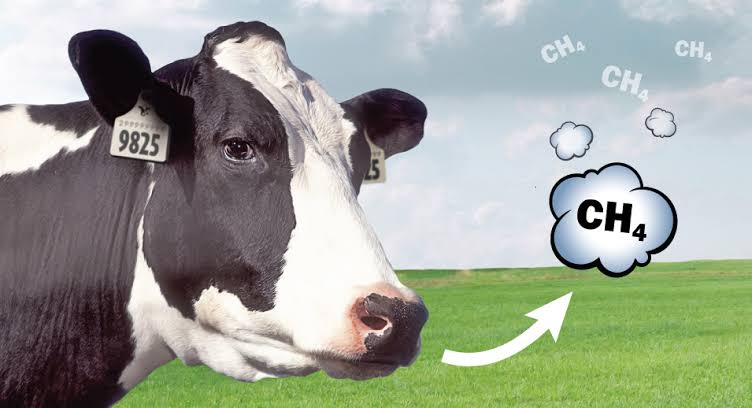
Methane is a greenhouse gas released when animals digest food and when manure breaks down. Ruminants such as cattle, goats and sheep produce most of it, because microbes in their stomachs ferment fibrous feed and release methane, mainly through belching. Manure stored in wet, oxygen-poor conditions also emits methane.
Methane is far more powerful than carbon dioxide at trapping heat over a short period, so reducing it is one of the fastest ways to slow warming. For farmers, though, the story is not only about climate. Practices that cut methane often make animals healthier and farms more profitable.
Better feed efficiency and productivity
Methane is wasted energy. When an animal releases methane, it loses part of the energy in its feed that could have gone into milk, meat or growth. Reducing methane through better feeding therefore often means more output from the same amount of feed.
Improving feed quality is the most practical approach. High-quality forages such as well-managed Napier, Rhodes grass, silage and hay, balanced with protein and minerals, are digested more efficiently than poor, fibrous roughage. Farmers often see better growth rates, higher milk yields and improved body condition, which directly raises income.
Lower feed and production costs
Because efficient animals convert feed into products more effectively, farmers can produce the same amount of milk or meat with less feed. Over time, this lowers the cost per litre or per kilogram. In dairy farming, where feed is usually the largest expense, small improvements in efficiency can make a significant difference to profit.
Better herd management also reduces waste. Culling unproductive animals, improving breeding and keeping fewer but more productive animals can maintain output while reducing methane and feed requirements. Fewer, healthier animals can mean less pressure on grazing land and water.
Extra income from biogas
Capturing methane from manure is one of the clearest business benefits. A biogas digester collects the gas produced by decomposing dung and turns it into fuel for cooking, lighting or generating electricity. Instead of escaping into the air, methane becomes a useful energy source.
For households, biogas reduces spending on firewood, charcoal or LPG and cuts smoke in the kitchen, improving health. Larger farms can use it to power milking machines, pumps, cold rooms or electric fences. The leftover slurry from the digester is a nutrient-rich fertilizer that improves soil and reduces the need to buy chemical inputs.
Healthier soils and cleaner farms
Proper manure management reduces smell, flies and runoff. Composting and digesting manure turns a waste problem into a resource, improving hygiene and animal health. Healthier surroundings reduce disease pressure, which lowers veterinary costs and mortality.
Using digested slurry and compost builds soil organic matter, improves water retention and supports better crop and fodder yields. This creates a cycle in which better fodder feeds more productive animals, and their manure supports healthier fields.
Access to carbon markets and green finance
Reducing emissions can open new revenue streams. Carbon credit programmes, climate funds and sustainability-linked lending increasingly reward projects that cut greenhouse gases, including manure management and efficient livestock production. Biogas projects, in particular, can sometimes qualify for support when emissions reductions are properly measured and verified.
Even when carbon payments are not available, lenders and development partners are more willing to finance farms with credible climate-smart practices. Keeping records of herd size, feed use and manure management helps you show results and qualify for support.
Stronger market access and reputation
Dairy processors, meat exporters and retailers are under growing pressure to reduce the carbon footprint of their supply chains. Farmers who adopt low-emission practices can become preferred suppliers, especially to buyers with sustainability targets. Climate-conscious consumers are also increasingly interested in how food is produced.
Being able to show efficient feeding, good manure management and responsible herd practices strengthens your brand and may help secure contracts, better prices or premium markets.
Climate resilience for farmers
Many methane-reducing practices also help farms cope with climate change. Growing improved fodder, making hay and silage, and managing grazing carefully provide feed during dry spells. Efficient animals need fewer resources, and diversified energy from biogas reduces reliance on external fuel. Together, these measures make livestock enterprises more stable in the face of drought and price shocks.
Practical ways to reduce methane
Farmers can start with simple steps: improve pasture and fodder quality, balance rations with proteins and minerals, keep animals healthy, improve breeding for productivity and manage manure through composting or biogas. Some research is also exploring feed additives, but farmers should rely on proven, locally recommended practices and advice from veterinarians, extension officers and nutritionists.
Reducing livestock methane is not just an environmental duty; it is a smart business strategy. Better feed efficiency, lower costs, biogas energy, healthier soils, access to green finance and stronger market positions all contribute to a more profitable and resilient farm. By adopting practical, low-cost improvements, farmers can benefit their income and help protect the climate at the same time.

Author: Moureen Koech
Moureen Koech is a passionate Digital Journalist, an adept Agribusiness Writer with a keen eye for news and an impactful story-teller,whose stories provide key value to Agripreneurs and stakeholders in the Agricultural sector