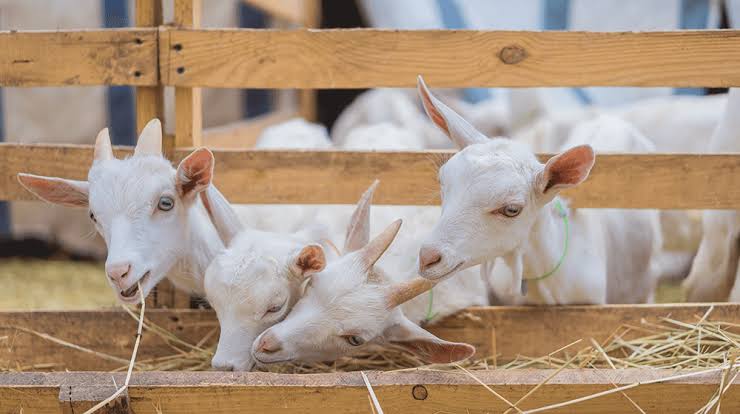
Goat farming is one of the most profitable livestock enterprises, especially in rural and small-scale farming systems. However, profitability and productivity in goat production depend heavily on how well the animals are housed. Proper goat housing is not just about shelter, it is a key factor that influences animal health, welfare, growth rate, reproduction and disease control.
A well-designed goat house creates a safe, comfortable and hygienic environment that supports optimal performance. Farmers who invest in proper housing standards often experience lower mortality rates, improved weight gain, and higher milk and meat production.
This article explains the essential standards of goat housing for animal welfare and productivity in detail.
Importance of proper goat housing
Proper housing is a fundamental requirement in modern goat production systems. Goats exposed to harsh environmental conditions such as heavy rain, extreme heat or cold stress often suffer from reduced productivity and increased vulnerability to diseases.
Good housing helps to:
- Protect goats from adverse weather conditions
- Reduce stress levels
- Prevent disease outbreaks
- Improve feed efficiency
- Increase overall productivity
A well-structured goat house is therefore an investment that directly contributes to farm profitability.
Protection from weather conditions
One of the primary functions of goat housing is to provide protection against harsh weather. Goats need shelter from:
- Heavy rainfall
- Strong winds
- Direct sunlight and heat stress
- Cold and damp conditions
Exposure to extreme weather weakens the immune system of goats, making them more prone to pneumonia, diarrhea and other infections. A properly constructed shelter ensures that goats remain dry, warm, and comfortable throughout the year.
Ventilation and Air Quality
Adequate ventilation is a critical standard in goat housing. Proper airflow helps to maintain good air quality inside the shelter by removing:
- Excess moisture
- Dust particles
- Harmful gases such as ammonia
Poor ventilation leads to the buildup of toxic gases from urine and feces, which can cause respiratory diseases and reduce growth performance. A well-ventilated goat house reduces disease risk and promotes faster recovery for sick animals.
Natural ventilation through open sides, windows or raised structures is highly recommended in goat housing design.
Importance of proper lighting
Lighting is another essential component of goat housing. Natural light plays an important role in maintaining hygiene and supporting animal health. A well-lit goat house allows farmers to:
- Easily observe animal behavior
- Detect early signs of disease
- Maintain cleanliness in the housing unit
Sunlight also helps reduce the survival of disease-causing organisms, contributing to a healthier environment for goats.
Flooring and hygiene standards
The flooring system in a goat house must be carefully designed to ensure cleanliness and comfort. Ideal flooring should be:
- Dry and well-drained
- Easy to clean and disinfect
- Durable and non-slippery
Poor flooring conditions can lead to the accumulation of urine and feces, creating a breeding ground for parasites and bacteria. This increases the risk of diseases such as hoof rot and skin infections.
Using raised floors or slatted designs can significantly improve hygiene by allowing waste to fall away from the animals. Additionally, regular cleaning and disinfection of the goat house are essential for maintaining a healthy environment.
Use of Bedding Materials
Comfortable bedding is important for improving goat welfare. Materials such as straw, wood shavings or dry grass can be used as bedding to:
- Provide comfort during resting
- Reduce pressure on joints and hooves
- Keep animals warm during cold weather
Bedding should be changed regularly to prevent moisture buildup and disease development. Clean bedding also improves overall hygiene within the goat house.
Space requirements and stocking density
Adequate space allocation is a key factor in goat housing standards. Overcrowding is one of the major causes of stress and disease transmission in goats.
Proper space allows goats to:
- Move freely
- Access feed and water without competition
- Rest comfortably
- Reduce aggressive behavior
High stocking density increases the spread of infections and reduces growth performance. Therefore, farmers should always follow recommended space requirements based on the age and size of the goats.
Separation of Goat Groups
For effective herd management, goats should be housed in separate sections based on their category. This includes:
- Kids (young goats)
- Pregnant does
- Lactating does
- Breeding bucks
Separating animals improves management efficiency and reduces risks such as injuries, disease spread, and feeding competition. It also ensures that vulnerable animals such as kids and pregnant goats receive special care and nutrition.
Feeding and Watering Facilities
A standard goat housing system should include proper feeding and watering equipment. Feeders and water troughs must be:
- Clean and easily accessible
- Raised to prevent contamination
- Sufficient in number to avoid competition
Clean water and balanced nutrition are essential for growth, reproduction and milk production. Poor feeding infrastructure can lead to wastage of feed and uneven growth among animals.
Biosecurity and Disease Control
Good housing design also supports biosecurity measures. This includes controlling the movement of people, animals and equipment to prevent disease entry and spread.
Farmers should:
- Restrict unnecessary movement in and out of the goat house
- Disinfect housing areas regularly
- Isolate sick animals immediately
These practices help maintain a healthy herd and reduce veterinary costs.
Essential standards of goat housing play a major role in ensuring animal welfare, productivity and farm profitability. A well-designed goat house provides protection from harsh weather, proper ventilation, good lighting, clean flooring, adequate space and effective herd management systems.
By investing in proper housing structures and maintaining high hygiene standards, farmers can significantly improve goat health, increase production efficiency and ensure long-term sustainability of their goat farming enterprises.

Author: Moureen Koech
Moureen Koech is a passionate Digital Journalist, an adept Agribusiness Writer with a keen eye for news and an impactful story-teller,whose stories provide key value to Agripreneurs and stakeholders in the Agricultural sector