The Plymouth Rock chicken is one of the most popular and reliable poultry breeds in the world. Known for its calm temperament, adaptability, and productivity, this breed has become a favorite among both beginner and experienced farmers. Whether you are raising chickens for eggs, meat or both, the Plymouth Rock is a strong candidate for your poultry business.
This article explores the key facts about Plymouth Rock chickens, their benefits, and why they are considered one of the best choices for backyard and small-scale farming.
Overview of Plymouth Rock Chicken
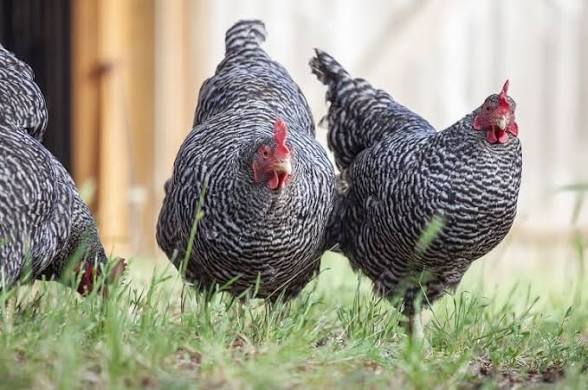
The Plymouth Rock chicken originated in the United States and has been a staple in poultry farming for many years. It is widely recognized for its attractive appearance, especially the Barred Plymouth Rock variety, which features distinctive black-and-white striped feathers.
This breed is often chosen for its versatility, making it suitable for farmers who want a bird that can provide both eggs and meat. Its ability to adapt to different environments also makes it ideal for various climates.
Friendly and easy to handle
One of the standout qualities of the Plymouth Rock chicken is its friendly and calm nature. These birds are known to be gentle and easy to manage, making them perfect for beginners who are new to poultry farming.
Their docile temperament allows them to coexist well with other chickens and makes them easier to handle during feeding, cleaning and egg collection. This characteristic is especially important for backyard farmers who may not have extensive experience with poultry.
Because they are not aggressive, Plymouth Rock chickens are also suitable for family farms where children may be involved in caring for the birds.
Good egg production
Plymouth Rock chickens are reliable egg layers, producing approximately 200 to 280 brown eggs per year. While they may not match the output of high-performing hybrid layers, they provide a steady and consistent supply of eggs.
Their eggs are medium to large in size and have strong shells, making them ideal for both home consumption and market sales. This level of productivity makes them a practical choice for small-scale farmers who want dependable egg production without the complexities of managing high-maintenance breeds.
With proper feeding, lighting and care, Plymouth Rock chickens can maintain consistent egg production throughout the year.
Excellent adaptability to different climates
Another major advantage of the Plymouth Rock chicken is its ability to adapt to different weather conditions. These birds are hardy and can tolerate both hot and cold climates.
In colder regions, their relatively dense feathers help protect them from low temperatures. In warmer climates, they can still perform well as long as they have access to shade and clean water.
This adaptability makes Plymouth Rock chickens a suitable choice for farmers in various regions, including areas with changing weather patterns. Their resilience reduces the risk of losses due to environmental stress.
Dual-purpose benefits
Plymouth Rock chickens are considered a dual-purpose breed, meaning they are valuable for both egg production and meat. This makes them highly attractive to farmers who want to maximize returns from a single flock.
In addition to laying eggs, these birds grow to a good size and produce quality meat. Their balanced productivity allows farmers to earn income from both eggs and poultry meat, increasing overall profitability.
For small-scale farmers, dual-purpose breeds like the Plymouth Rock provide flexibility and efficiency in farm management.
Attractive appearance
One of the most distinctive features of the Plymouth Rock chicken is its beautiful plumage. The Barred Plymouth Rock, in particular, is known for its striking black-and-white striped feathers.
This unique appearance not only makes the birds visually appealing but also helps farmers easily identify them within a flock. Their attractive look adds value for farmers who may also be interested in ornamental poultry.
The combination of beauty and productivity makes Plymouth Rock chickens a favorite among poultry enthusiasts.
Why Plymouth Rock is ideal for backyard farming
Plymouth Rock chickens are especially well-suited for backyard farming systems. Their calm nature, moderate egg production, and adaptability make them easy to manage in small spaces.
They also perform well in free-range systems, where they can forage for food and supplement their diet naturally. This can help reduce feeding costs and improve overall sustainability.
Because they are hardy and less prone to stress, they require less intensive management compared to some high-producing commercial breeds.
Tips for raising Plymouth Rock Chicken
To get the best results from Plymouth Rock chickens, farmers should provide proper care and management. A balanced diet, clean water, and well-ventilated housing are essential for maintaining healthy birds.
Regular cleaning of the poultry house helps prevent diseases, while proper lighting supports consistent egg production. Farmers should also monitor their flock for any signs of illness and take action promptly.
Good management practices ensure that the birds remain productive and healthy throughout their lifespan.
The Plymouth Rock chicken is a reliable, hardy and productive breed that offers numerous benefits to farmers. Its friendly temperament makes it easy to handle, while its consistent egg production provides a steady source of income. Its ability to adapt to different climates and serve as a dual-purpose bird further increases its value.
For beginners and experienced farmers alike, the Plymouth Rock is an excellent choice for building a successful poultry farming business. Whether you are raising chickens for eggs, meat, or both, this breed offers a balanced combination of productivity, resilience and ease of management.
If you are looking for a dependable and versatile chicken breed, the Plymouth Rock is truly one of the best options available for modern agribusiness.

Author: Moureen Koech
Moureen Koech is a passionate Digital Journalist, an adept Agribusiness Writer with a keen eye for news and an impactful story-teller,whose stories provide key value to Agripreneurs and stakeholders in the Agricultural sector