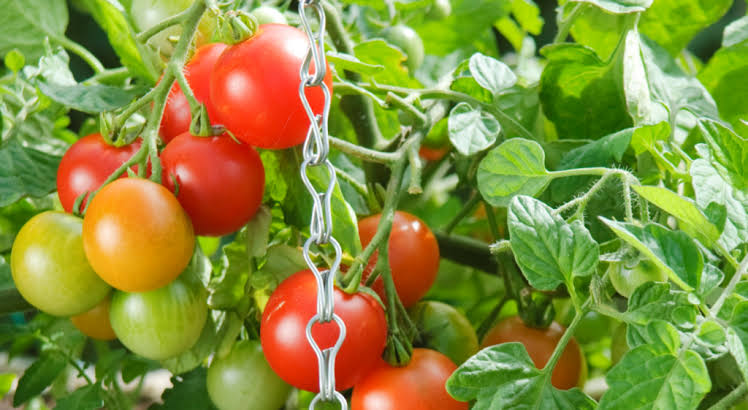
Pruning is a critical management practice in tomato farming that plays a major role in determining plant health, productivity, and fruit quality. Many farmers overlook this simple technique, yet it can significantly improve yields and overall farm performance when done correctly.
In tomato production, pruning involves removing unnecessary shoots, leaves, and side branches to allow the plant to focus its energy on fruit development. By controlling excessive vegetative growth, farmers can achieve stronger plants and higher-quality harvests.
What is pruning in tomato farming?
Pruning in tomato farming refers to the removal of unwanted parts of the plant, especially side shoots commonly known as suckers. These suckers grow between the main stem and branches and can divert energy away from fruit production.
When these extra shoots are removed, the plant channels its nutrients toward developing strong stems and producing better fruits. This results in healthier plants and improved yields.
Pruning is especially important in indeterminate tomato varieties, which continue growing and producing fruit over a long period.
Improves air circulation and reduces diseases
One of the major benefits of pruning is improved air circulation within the plant canopy. Dense tomato plants can trap moisture, creating a favorable environment for fungal diseases.
By removing excess leaves and shoots, farmers allow better airflow around the plant. This reduces humidity and helps prevent common diseases such as blight and mildew.
Improved air circulation also helps leaves dry faster after rain or irrigation, further reducing the risk of infections. Healthy plants are more productive and require fewer chemical treatments.
Enhances sunlight penetration
Sunlight is essential for photosynthesis, the process by which plants produce food for growth and fruit development. When tomato plants become too bushy, sunlight cannot reach the inner parts of the plant.
Pruning opens up the canopy, allowing sunlight to penetrate deeper into the plant. This improves photosynthesis and ensures that all parts of the plant receive adequate light.
Better light exposure leads to stronger growth, improved flowering, and higher fruit production.
Directs nutrients to fruit development
Tomato plants naturally produce many branches and leaves, which can compete for nutrients. Without pruning, a significant portion of nutrients is used for vegetative growth instead of fruit production.
Pruning helps direct nutrients to the most productive parts of the plant. By removing suckers and unnecessary branches, the plant focuses its energy on developing fruits.
This results in larger, healthier and more uniform tomatoes, which are highly desirable in the market.
Makes farm management easier
Pruning simplifies many farming activities and improves overall efficiency. Well-pruned plants are easier to manage, especially when it comes to spraying, staking and harvesting.
Farmers can move more easily between plants, ensuring proper care and maintenance. It also becomes easier to inspect plants for pests and diseases, allowing for early detection and control.
This improved access saves time and reduces labor costs, making farm operations more efficient.
Improves fruit quality and market value
Proper pruning leads to better fruit quality, which directly affects market value. Tomatoes from well-managed plants are cleaner, healthier and more attractive.
Uniform size and shape make the fruits more appealing to buyers, whether in local markets or export channels. High-quality produce often fetches better prices, increasing farmers’ profits.
Additionally, reduced disease incidence means fewer damaged fruits, which helps minimize losses.
Supports higher yields
By improving plant health, nutrient allocation and light exposure, pruning contributes to higher yields. Healthy plants are more productive and can sustain fruit production over a longer period.
Farmers who practice regular and proper pruning often experience increased harvest volumes compared to those who do not. This makes pruning an essential practice for maximizing returns in tomato farming.
Best practices for effective pruning
To achieve the best results, pruning should be done regularly and carefully. Farmers should remove suckers when they are still small to avoid stressing the plant.
It is also important to use clean and sharp tools to prevent the spread of diseases. Pruning should be done during dry conditions to reduce the risk of infections.
Over-pruning should be avoided, as removing too many leaves can reduce the plant’s ability to produce food through photosynthesis.
Pruning is a simple yet powerful technique that can greatly improve tomato farming outcomes. It enhances air circulation, increases sunlight penetration, directs nutrients to fruit development and makes farm management easier.
By practicing proper pruning, farmers can achieve higher yields, better fruit quality and increased market value. For anyone looking to succeed in tomato farming, regular and correct pruning is not optional, it is essential.
With the right approach, pruning can transform your tomato farm into a highly productive and profitable agribusiness.

Author: Moureen Koech
Moureen Koech is a passionate Digital Journalist, an adept Agribusiness Writer with a keen eye for news and an impactful story-teller,whose stories provide key value to Agripreneurs and stakeholders in the Agricultural sector