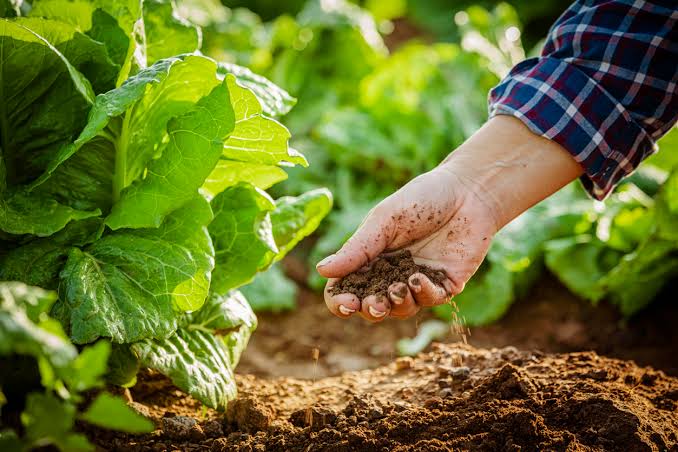
Organic farming is an agricultural production system that focuses on growing crops and raising livestock using natural processes and inputs. It reduces reliance on synthetic fertilisers, pesticides and other chemical-based products while promoting soil health, biodiversity and sustainable farming practices.
As consumers become more interested in food production methods and environmental sustainability, organic farming is gaining attention among farmers and agribusiness entrepreneurs. When properly managed, organic agriculture can provide several benefits to farmers, consumers and the environment.
Improves soil health
One of the major benefits of organic farming is improved soil health. Organic farmers commonly use practices such as composting, applying animal manure, mulching, crop rotation and planting cover crops.
These practices add organic matter to the soil, improve its structure and support beneficial organisms. Healthy soils can hold water and nutrients more effectively, creating better conditions for crop growth.
Maintaining healthy soil is particularly important for farmers who want to maintain productivity over the long term.
Reduces reliance on synthetic chemicals
Organic farming aims to minimise the use of synthetic pesticides and fertilisers. Farmers instead rely on methods such as biological pest control, crop rotation, natural fertilisers and other integrated approaches.
Reducing unnecessary chemical use can help farmers manage their farms more sustainably. It can also encourage farmers to understand pest populations, soil conditions and crop health before deciding which intervention is necessary.
Supports environmental conservation
Organic farming can contribute to environmental conservation by promoting practices that protect soil, water and biodiversity.
For example, maintaining ground cover and adding organic matter can help reduce soil erosion. Reduced reliance on certain synthetic agricultural chemicals can also lower the risk of chemical runoff entering nearby water sources.
Organic farming practices can therefore form part of broader efforts to protect natural resources.
Encourages biodiversity
Biodiversity is important for a healthy agricultural ecosystem. Organic farming often encourages farmers to maintain a variety of crops, beneficial insects, microorganisms and other organisms around the farm.
Practices such as crop rotation, intercropping, agroforestry and maintaining natural vegetation can provide habitats for beneficial insects and other organisms.
Greater biodiversity can contribute to a more balanced farm ecosystem and may help improve natural pest control.
Can reduce input costs over time
Organic farming may require investment in labour, knowledge and organic inputs, particularly during the transition from conventional farming. However, farmers who produce their own compost, manure and certain natural pest-control materials can reduce their dependence on purchased inputs.
For small-scale farmers, using locally available organic materials can provide an opportunity to make productive use of farm waste while reducing some production expenses.
Farmers should nevertheless calculate their costs carefully because organic farming does not automatically mean lower costs in every situation.
Creates opportunities for Value Addition
Organic farming can create opportunities for farmers to differentiate their products in the market. Depending on local demand and applicable certification requirements, farmers may be able to sell organically produced vegetables, fruits, grains, herbs, dairy products and other agricultural products to specialised markets.
Farmers can also explore value addition by processing products into items such as dried fruits, juices, flour, sauces and herbal products.
However, farmers should understand the relevant organic standards and certification requirements before marketing products as certified organic.
Improves farm sustainability
Organic farming places strong emphasis on maintaining the productivity of the farm without exhausting its natural resources.
Practices such as crop rotation, compost application, water conservation and integrated pest management can help farmers maintain productive land for future seasons.
This makes organic farming an important approach for farmers interested in long-term agricultural sustainability.
Produces opportunities for healthy food markets
Growing consumer interest in farming practices has created opportunities for businesses producing and marketing organically grown food.
Farmers can explore local markets, farmers’ markets, specialised retailers, restaurants and direct-to-consumer sales depending on demand in their area.
Good record keeping, proper handling and compliance with relevant standards can help farmers build trust with customers.
Supports climate resilience
Organic farming practices that increase soil organic matter can improve the soil’s ability to retain moisture. Practices such as mulching, agroforestry and crop diversification can also help farms cope with certain environmental stresses.
While organic farming cannot eliminate the effects of droughts, floods or other extreme weather events, healthy soils and diversified production systems can contribute to greater farm resilience.
Organic farming offers several benefits, including improved soil health, environmental conservation, biodiversity, sustainable resource management and opportunities for market differentiation. It can also help farmers make productive use of locally available organic materials such as crop residues and animal manure.
However, successful organic farming requires proper planning, knowledge, good farm management and an understanding of market requirements. Farmers should select organic practices that suit their crops, climate, available resources and target market.
With the right approach, organic farming can become an important part of a sustainable and profitable agribusiness.

Author: Moureen Koech
Moureen Koech is a passionate Digital Journalist, an adept Agribusiness Writer with a keen eye for news and an impactful story-teller,whose stories provide key value to Agripreneurs and stakeholders in the Agricultural sector