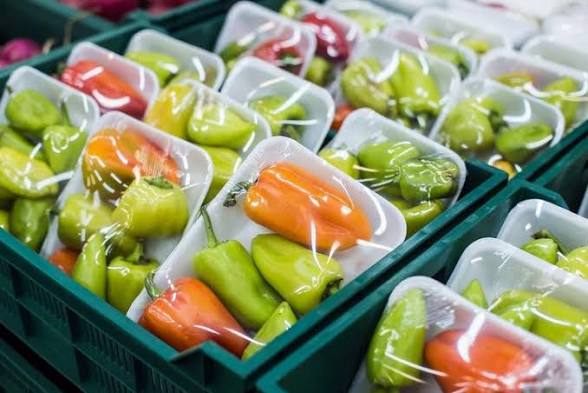
Food packaging plays an important role in protecting agricultural products from damage, contamination and deterioration. For farmers, food processors, retailers and other agribusinesses, extending the shelf life of food can reduce post-harvest losses and create opportunities to reach wider markets.
Traditional packaging methods are increasingly being complemented by new technologies designed to control moisture, oxygen, temperature and microbial activity. These food packaging innovations can help maintain food quality for longer while improving transportation, storage and marketing.
Modified Atmosphere Packaging
Modified atmosphere packaging is one of the technologies being used to extend the shelf life of fresh and processed foods. The technique involves changing the composition of gases inside a sealed package to slow down processes that cause food to deteriorate.
For example, oxygen levels can be reduced while other gases are adjusted to create conditions that slow microbial growth and oxidation. Modified atmosphere packaging can be useful for products such as fresh fruits, vegetables, meat and other perishable foods.
By slowing deterioration, the technology can help maintain freshness and reduce food waste during storage and transportation.
Vacuum Packaging
Vacuum packaging removes much of the air from a package before it is sealed. Reducing oxygen exposure can slow oxidation and limit the growth of certain microorganisms.
The method is commonly used for meat, fish, cheese and other products. It can also help protect food from moisture loss and freezer burn when products are stored under suitable conditions.
However, vacuum packaging must be combined with appropriate food safety practices because removing oxygen does not eliminate all food safety risks.
Edible Packaging
Edible packaging is an emerging innovation that uses food-grade materials to create packaging or coatings that can be safely consumed along with the product.
Some edible films and coatings are made using materials such as starches, proteins and other natural compounds. They can help create a protective barrier around food and reduce moisture loss or oxidation.
Edible packaging could become increasingly useful in food processing as businesses look for ways to reduce conventional packaging waste while maintaining product quality.
Biodegradable and Compostable Packaging
Growing concern about plastic waste has encouraged innovation in biodegradable and compostable packaging. These materials are designed to break down under suitable environmental conditions more readily than many conventional plastics.
Agricultural materials such as plant fibres, starch and other renewable resources can be used in the development of alternative packaging materials.
For agribusinesses, sustainable packaging can provide an opportunity to reduce dependence on certain conventional packaging materials while responding to growing consumer interest in environmentally responsible products.
Active Packaging
Active packaging goes beyond simply containing food. It is designed to interact with the food or the environment inside the package to help maintain quality.
Some active packaging systems can absorb oxygen or excess moisture, while others can release substances that help slow oxidation or microbial growth.
These technologies can help create a more controlled environment around the food, potentially extending shelf life and reducing quality deterioration.
Intelligent Packaging
Intelligent packaging uses indicators or sensors to provide information about the condition of packaged food. Some systems can monitor factors such as temperature changes, freshness or exposure to unsuitable storage conditions.
For example, a temperature indicator can show whether a product has been exposed to temperatures outside the recommended range during transportation or storage.
This technology can help businesses and consumers make better decisions about food handling and storage.
Antimicrobial Packaging
Antimicrobial packaging incorporates substances designed to inhibit or slow the growth of microorganisms on or around food.
These systems can be developed using suitable antimicrobial agents incorporated into packaging materials or coatings. They may help maintain food quality and extend shelf life when properly designed and used.
The safety, effectiveness and regulatory requirements of antimicrobial packaging must be carefully considered before it is used commercially.
Nanotechnology in Food Packaging
Nanotechnology is another area being explored in advanced food packaging. Nanomaterials can be incorporated into packaging systems to improve properties such as strength, barrier protection and resistance to oxygen or moisture.
Some researchers are also investigating nanoscale technologies for antimicrobial and intelligent packaging applications.
Although the technology has potential, safety assessments and regulatory considerations remain important before particular nanomaterials are used in food packaging.
Benefits for Farmers and Agribusinesses
Improved food packaging can provide several benefits across the agricultural value chain. Extending shelf life can reduce the amount of produce lost between harvesting and consumption.
Longer shelf life can also make it easier for farmers and processors to transport products to distant markets. This can create opportunities to serve retailers, restaurants and consumers outside the immediate production area.
Better packaging can also improve product presentation and protect food from physical damage, contamination and moisture loss.
For processed agricultural products, effective packaging can increase marketability and support value addition.
Choosing the Right Packaging Technology
Not every food product requires advanced packaging technology. The appropriate solution depends on the characteristics of the product, expected shelf life, storage conditions, transportation requirements and target market.
Businesses should consider packaging costs alongside the potential reduction in food losses. Food safety requirements, labelling regulations and environmental considerations should also be taken into account.
Combining improved packaging with proper storage, hygiene, temperature control and transportation can provide better results than relying on packaging alone.
Food packaging innovations are helping transform the way agricultural and processed foods are stored, transported and marketed. Technologies such as modified atmosphere packaging, vacuum packaging, edible coatings, active packaging and intelligent packaging can help slow food deterioration and extend shelf life.
For farmers and agribusinesses, investing in appropriate packaging can reduce post-harvest losses, improve product quality and create opportunities to access wider markets. As technology continues to develop, packaging solutions that combine food safety, shelf-life extension, affordability and environmental sustainability are likely to become increasingly important.

Author: Moureen Koech
Moureen Koech is a passionate Digital Journalist, an adept Agribusiness Writer with a keen eye for news and an impactful story-teller,whose stories provide key value to Agripreneurs and stakeholders in the Agricultural sector