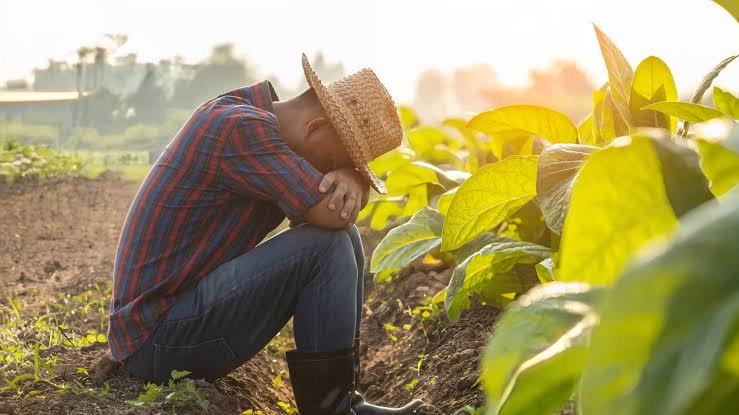
Mental health among farmers is an important issue that deserves greater attention. Farmers play a critical role in food production and rural economies, yet the nature of agricultural work exposes them to many pressures. Unpredictable weather, crop and livestock losses, fluctuating market prices, rising production costs, debt and demanding physical work can affect farmers’ emotional wellbeing.
Unlike many occupations, farming often involves uncertainty over income and production. A farmer can invest significant amounts of money, time and labour in a season without knowing whether the expected harvest will be achieved. These challenges can create prolonged stress and affect a farmer’s quality of life.
Common mental health challenges among farmers
Farmers can experience different forms of emotional and psychological pressure. Stress is particularly common when farmers face financial difficulties, poor harvests, livestock diseases or unexpected changes in market conditions.
Persistent stress can affect sleep, concentration, motivation and relationships. Some farmers may also experience anxiety when they are uncertain about the future of their farms or how they will meet financial and household responsibilities.
Feelings of sadness, frustration and hopelessness may also occur, particularly after major crop failures, livestock losses or prolonged periods of financial difficulty. These experiences should not be dismissed as simply being part of farming. Persistent or severe emotional distress deserves appropriate attention and support.
Why farming can be stressful
One of the major sources of stress in agriculture is uncertainty. Farmers depend heavily on factors that are sometimes outside their control. Rainfall may arrive late, drought may affect crops, floods may destroy fields or livestock, and pests and diseases can reduce production.
Financial pressure can add another layer of difficulty. Farmers have to purchase inputs, pay workers, maintain equipment and meet other expenses before they receive income from their produce. When harvests are poor or prices fall, meeting these obligations can become difficult.
The physical demands of farming can also contribute to exhaustion. Long working hours, strenuous activities and limited opportunities for rest can affect both physical and emotional wellbeing.
Social isolation and mental wellbeing
Social isolation can be another challenge for farmers, particularly those living in remote rural areas. Farmers may spend much of their time working alone or have limited access to professional support services.
Some may also hesitate to discuss emotional difficulties because of stigma or fear of being judged. In communities where mental health is rarely discussed openly, a farmer may continue struggling without seeking help.
Farmer cooperatives, community groups and social networks can provide valuable opportunities for farmers to communicate, share experiences and support one another.
How farmers can manage stress
There is no single solution to managing stress, but several practical approaches can support better mental wellbeing. One important step is recognising when stress is becoming difficult to manage rather than ignoring it.
Farmers can create time for adequate rest and maintain healthy routines where possible. Regular physical activity, sufficient sleep and a balanced diet can support general wellbeing.
Talking to trusted family members, friends or fellow farmers can also reduce feelings of isolation. Sharing concerns with someone trustworthy can make difficult situations easier to manage.
Farmers can also benefit from planning and organising their agricultural activities. Keeping financial and production records, preparing budgets and setting realistic goals can provide a clearer understanding of the farm’s situation.
The importance of seeking professional support
Farmers experiencing persistent or severe emotional difficulties should consider seeking support from a qualified health or mental health professional. Professional support can help individuals understand what they are experiencing and identify appropriate ways of managing it.
Family members and agricultural organisations can also play an important role by encouraging farmers to seek help rather than treating mental health concerns as a weakness.
Early support can be particularly important when emotional difficulties begin affecting sleep, relationships, work or daily activities.
How agricultural organisations can help
Agricultural organisations, cooperatives and extension services can incorporate mental health awareness into farmer training programmes. Extension officers can help farmers recognise signs of severe stress and connect them with appropriate support services when necessary.
Farmer groups can also create supportive environments where members discuss challenges affecting their farms and households. Such groups can provide both practical agricultural information and social connection.
Financial literacy programmes can complement mental health support by helping farmers understand budgeting, debt management, saving and risk management.
Building resilient farmers and communities
Improving farmers’ mental health requires addressing some of the conditions that create stress in the first place. Better access to agricultural information, markets, financial services, weather information, insurance and extension services can help farmers manage some risks.
Diversifying farm income can also provide greater financial resilience. Depending on their circumstances, farmers may combine crop production with livestock, value addition, agritourism or other agricultural enterprises.
Strong social networks are equally important. Farmers who have access to supportive families, cooperatives and community groups may have more opportunities to share problems and find practical solutions.
Mental health among farmers is an important part of agricultural wellbeing. The pressures associated with unpredictable weather, financial uncertainty, production risks, demanding physical work and social isolation can affect farmers’ emotional health.
Recognising these challenges is an important first step. Farmers can support their wellbeing through proper planning, adequate rest, social connections and timely professional support when needed. Agricultural organisations and communities can also contribute by reducing stigma and making mental health information and support more accessible.
Supporting farmers’ mental health benefits not only individual farmers and their families but also the wider agricultural sector. Healthy and supported farmers are better positioned to manage the challenges of running sustainable agricultural enterprises.

Author: Moureen Koech
Moureen Koech is a passionate Digital Journalist, an adept Agribusiness Writer with a keen eye for news and an impactful story-teller,whose stories provide key value to Agripreneurs and stakeholders in the Agricultural sector