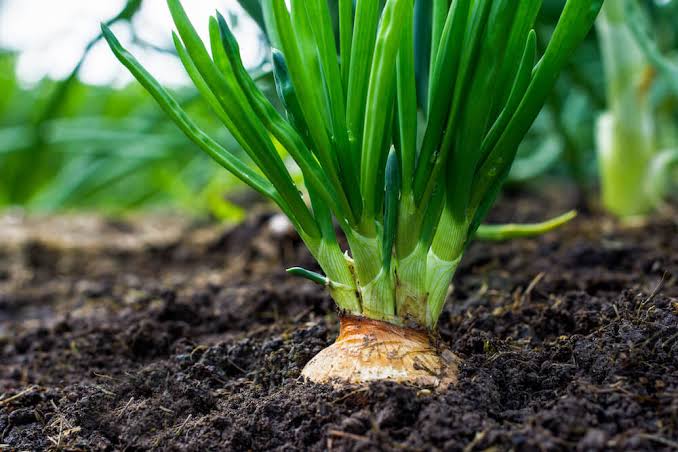
Onions are among the most profitable vegetable crops grown worldwide due to their high demand in households, restaurants, food processing industries, and export markets. For onion farmers, however, profitability depends not only on the number of plants grown but also on the size and quality of the bulbs harvested. Large, firm, and well-formed onion bulbs command better market prices and have a longer shelf life compared to small or poorly developed bulbs.
Bulb size is influenced by several factors, including variety selection, soil fertility, spacing, irrigation, pest management, and overall crop care. Even experienced farmers can end up with undersized onions if these essential practices are overlooked. Understanding what onions need at each stage of growth is the key to achieving higher yields and premium-quality produce.
Choose the right onion variety
The journey to producing large onion bulbs begins with selecting the right variety. Different onion varieties have varying genetic potential, with some naturally producing larger bulbs than others. It is important to choose varieties that are well adapted to your local climate and growing conditions.
Purchase certified seeds or healthy seedlings from reputable suppliers to ensure high germination rates and vigorous plant growth. Certified planting materials are less likely to carry diseases and often produce more uniform crops with better bulb development.
Prepare fertile, well-drained soil
Healthy soil is one of the most important factors in producing large onion bulbs. Onions thrive in loose, fertile, well-drained soils rich in organic matter. Heavy clay soils can restrict bulb expansion, while excessively sandy soils may not retain enough nutrients and moisture.
Before planting, conduct a soil test to determine nutrient levels and soil pH. Onions perform best in soils with a pH of between 6.0 and 6.8. Incorporating well-decomposed compost or manure before planting improves soil structure, enhances water retention, and supplies essential nutrients needed for healthy growth.
Avoid using fresh manure immediately before planting, as it can encourage excessive leaf growth instead of bulb formation and may introduce harmful pathogens.
Plant at the correct spacing
Proper spacing gives each onion plant enough room to access sunlight, nutrients, water and air circulation. Crowded plants compete for these resources, resulting in smaller bulbs.
For most onion varieties, spacing plants approximately 10 to 15 centimeters apart within rows and maintaining 25 to 30 centimeters between rows provides adequate room for bulb expansion. Follow the spacing recommendations for the specific variety you are growing to maximize yield and bulb size.
Apply balanced fertilizers
Onions require adequate nutrition throughout their growth cycle. Nitrogen promotes healthy leaf development during the early stages, while phosphorus encourages strong root formation and potassium supports bulb enlargement and improves storage quality.
Excessive nitrogen late in the growing season should be avoided because it encourages continuous leaf growth instead of directing energy toward bulb development. Applying fertilizers based on soil test recommendations ensures the crop receives the right nutrients at the right time.
Organic fertilizers, compost and balanced mineral fertilizers can all contribute to healthy onion production when used appropriately.
Water consistently
Consistent soil moisture is essential for producing large onion bulbs. Water stress during bulb formation can significantly reduce bulb size and overall yield.
Irrigate regularly to keep the soil evenly moist without becoming waterlogged. Drip irrigation is particularly effective because it supplies water directly to the root zone while reducing water wastage and minimizing the risk of foliar diseases.
As the onions approach maturity and the tops begin to fall over naturally, reduce irrigation to allow the bulbs to dry properly before harvest.
Control weeds early
Onions have shallow root systems and grow relatively slowly during the early stages, making them poor competitors against weeds. Weeds compete for nutrients, sunlight, water and space, all of which are essential for bulb development.
Regular hand weeding, shallow cultivation or the use of mulch can help suppress weed growth without damaging onion roots. Keeping the field weed-free throughout the growing season allows onion plants to utilize available resources more efficiently.
Protect the crop from pests and diseases
Pests and diseases weaken onion plants, reducing their ability to produce large bulbs. Common onion pests include thrips, onion flies, and cutworms, while diseases such as purple blotch, downy mildew, neck rot, and basal rot can significantly affect yield and bulb quality.
Regular crop scouting enables farmers to detect problems early before they spread throughout the field. Practicing crop rotation, maintaining field sanitation, removing infected plants, and using recommended pesticides or biological control methods when necessary help minimize crop losses.
Healthy plants produce larger and more uniform bulbs than stressed or diseased plants.
Ensure adequate sunlight
Onions require full sunlight for vigorous growth and proper bulb formation. The crop should receive at least six to eight hours of direct sunlight each day.
Avoid planting onions in shaded areas or alongside taller crops that block sunlight. Adequate sunlight increases photosynthesis, allowing the plant to produce the energy needed for bulb enlargement.
Avoid premature flowering
Bolting, or premature flowering, diverts the plant’s energy away from bulb development and reduces market quality. Bolting is often triggered by exposure to cold temperatures, transplanting stress or planting oversized seedlings.
Using healthy seedlings, planting at the recommended time, and minimizing stress during transplanting can help reduce the risk of bolting.
Harvest at the right time
Harvest timing affects both bulb size and storage quality. Onions are generally ready for harvest when about 70 to 80 percent of the tops have naturally fallen over and begun to dry.
Harvesting too early may result in immature bulbs with reduced storage life, while delaying harvest can expose bulbs to diseases and deterioration. After harvesting, cure the onions in a dry, well-ventilated area for two to three weeks before storage. Proper curing strengthens the outer skin, improves shelf life and reduces post-harvest losses.
Producing large onion bulbs requires careful attention throughout the entire growing season. Choosing quality seed, preparing fertile soil, maintaining proper spacing, applying balanced fertilizers, watering consistently, controlling weeds, managing pests and diseases and harvesting at the right time all contribute to better bulb development.
By following these proven onion farming practices, farmers can significantly increase bulb size, improve crop quality, and achieve higher market prices. Investing in good agronomic practices not only boosts yields but also enhances the profitability and sustainability of onion production.

Author: Moureen Koech
Moureen Koech is a passionate Digital Journalist, an adept Agribusiness Writer with a keen eye for news and an impactful story-teller,whose stories provide key value to Agripreneurs and stakeholders in the Agricultural sector