Crop residues are often treated as farm waste after harvesting, but they can become an additional source of income for farmers. Materials such as maize stalks, maize cobs, bean straw, wheat straw, rice husks, groundnut shells, banana stems and other plant remains can be converted into livestock feed, compost, fuel, mushroom-growing materials and other useful products.
Instead of burning or dumping crop residues, farmers can find ways to add value to them and create new income streams. This can be particularly useful for smallholder farmers looking to earn more from the same piece of land.
Sell crop residues as livestock feed
One of the simplest ways to make money from crop residues is to sell them as animal feed. Maize stalks, bean haulms, wheat straw and other dry plant materials can be useful sources of roughage for livestock when properly harvested and stored.
Farmers can collect and dry suitable residues before selling them to dairy farmers, goat keepers and other livestock producers. However, crop residues vary considerably in nutritional value and should not automatically be considered complete feeds.
Farmers can increase their value by chopping the material and combining it with other feed ingredients. For example, maize stover can be processed and incorporated into a properly balanced ration.
Good storage is important because wet residues can develop mould, reducing their quality and potentially making them unsafe for animals.
Make compost manure
Crop residues can also be turned into organic manure through composting. Instead of allowing plant materials to decompose randomly, farmers can combine them with animal manure and other suitable organic materials to produce compost.
Once fully decomposed, the compost can be used on farms or sold to vegetable growers, flower growers, nurseries and gardeners.
Farmers who produce compost commercially should focus on producing a consistent, well-decomposed product. Packaging it in manageable bags and clearly explaining how it should be used can also make the product more attractive to customers.
This business can work particularly well where there is demand for organic soil amendments.
Produce briquettes from agricultural waste
Some crop residues can be processed into fuel briquettes. Materials such as maize cobs, rice husks, sawdust and other biomass materials can be converted into compact fuel products using appropriate equipment.
Briquettes can provide an alternative source of cooking or heating fuel for households and institutions, depending on the material and processing method.
This business requires investment in equipment, drying facilities and packaging. Farmers interested in commercial production should first establish whether there is a reliable local market before purchasing machinery.
Use crop residues for mushroom production
Certain agricultural residues can serve as growing substrates for mushrooms. Depending on the mushroom species and production system, materials such as wheat straw, rice straw and other suitable agricultural wastes can be prepared and used for mushroom cultivation.
This creates an opportunity to turn a low-value farm by-product into a higher-value agricultural product.
Mushroom production requires proper hygiene, temperature and moisture management. Farmers should therefore acquire the necessary skills before starting commercial production.
After mushroom production, the spent growing substrate can potentially be composted and returned to the soil, creating another use for the material.
Make animal bedding
Dry crop residues can also be sold as livestock bedding. Straw and other suitable dry materials can be used in cattle, goat, sheep and poultry housing.
Farmers can collect, dry and package suitable residues for livestock keepers who need affordable bedding materials.
Clean and properly dried material is more attractive to buyers than residues that have been exposed to rain, soil contamination or mould.
Sell crop residues to other farmers
Farmers do not necessarily have to process crop residues themselves. They can earn money by collecting, baling, chopping or packaging residues and selling them to businesses and other farmers.
For example, a farmer with large quantities of maize stalks after harvesting can sell them to livestock farmers who do not grow enough fodder.
The key is to identify buyers before collecting large quantities. Transport costs can quickly reduce profits if residues have to be moved over long distances.
Farmers in the same area can also work together to collect and transport residues in bulk, reducing individual transportation costs.
Produce mulch and soil improvement materials
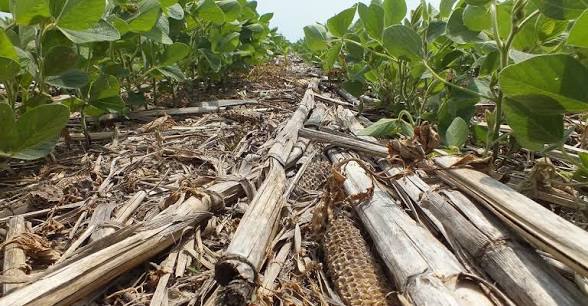
Crop residues can be used as mulch to protect soil from erosion, reduce moisture loss and suppress weeds. Farmers who produce organic mulch can target vegetable growers, fruit farmers, nurseries and landscaping businesses.
However, residues should be used appropriately. Some plant materials may contain weed seeds, pests or diseases, so farmers should avoid spreading contaminated material onto new fields.
Properly processed residues can become a useful soil-management product rather than farm waste.
The importance of adding value
The biggest opportunity in crop residues is often not simply selling the raw material but adding value to it.
A farmer may earn more by chopping, drying, baling, composting, packaging or processing residues than by selling loose material directly from the farm.
Before starting a crop-residue business, farmers should consider the available quantity, transportation requirements, processing costs, equipment needed and potential customers.
It is also important to understand that not every residue should be removed from the field. Some crop residues can be incorporated into the soil or left on the surface to contribute organic matter and protect the soil. Farmers should therefore balance income opportunities with long-term soil health.
Crop residues can become an important source of additional farm income when farmers stop viewing them simply as waste. Maize stalks, cobs, bean haulms, wheat straw, rice husks and other agricultural by-products can be used for livestock feed, compost, briquettes, mushroom production, animal bedding and mulch.
The most profitable option will depend on the type and quantity of residues available and the demand in the local market. For many smallholder farmers, turning agricultural waste into a value-added product can create an additional agribusiness opportunity while reducing waste on the farm.

Author: Moureen Koech
Moureen Koech is a passionate Digital Journalist, an adept Agribusiness Writer with a keen eye for news and an impactful story-teller,whose stories provide key value to Agripreneurs and stakeholders in the Agricultural sector