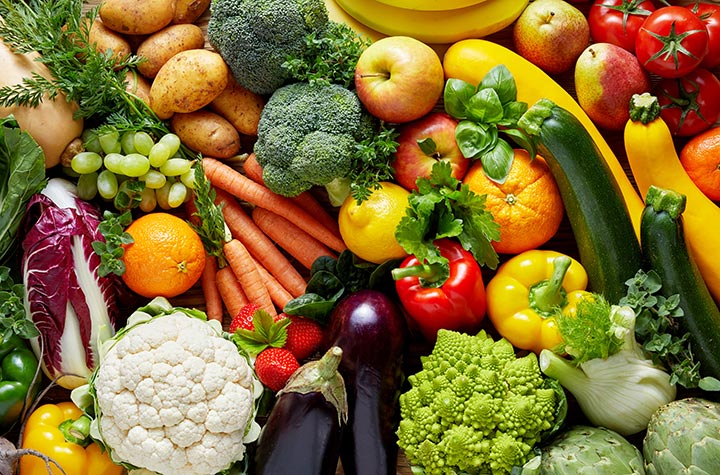
The growing demand for convenient access to fresh fruits and vegetables has created opportunities for entrepreneurs to start fresh produce delivery businesses. Busy households, restaurants, hotels, offices and institutions increasingly look for reliable suppliers who can deliver quality produce directly to their premises.
A fresh produce delivery business can be started on a small scale and expanded gradually. An entrepreneur does not necessarily need a large farm or warehouse to begin. By developing relationships with farmers and wholesale markets, it is possible to source produce, organise orders and deliver them to customers.
However, success requires proper planning, reliable suppliers, good customer service and effective management of perishable products.
Identify your target market
The first step in starting a fresh produce delivery business is identifying the customers you want to serve. Different customers have different needs, order sizes and delivery schedules.
You can target households looking for convenient weekly grocery deliveries, restaurants that require regular supplies, hotels, schools, offices or small retailers. Focusing on a specific customer group in the beginning can make it easier to understand their needs and develop an appropriate delivery system.
For example, restaurants may prioritise consistent quality and timely deliveries, while households may prefer smaller packages containing a variety of fruits and vegetables.
Understanding your target market will also help you determine which products to stock and how frequently you need to make deliveries.
Choose the right fresh produce
Fresh produce has a limited shelf life, so entrepreneurs should carefully select products based on customer demand and storage requirements. Common products include tomatoes, onions, potatoes, leafy vegetables, carrots, bananas, avocados, oranges and other seasonal fruits.
Avoid purchasing large quantities simply because a product is cheap. If the produce does not sell quickly, spoilage can result in significant losses.
Start with a manageable selection of products and expand your range as you learn what customers regularly order. Monitoring customer preferences can help you maintain the right inventory.
Find reliable suppliers
A reliable supply of quality produce is essential for a delivery business. Entrepreneurs can source products directly from farmers, farmer groups, agricultural cooperatives, wholesale markets or other suppliers.
Buying directly from farmers can provide opportunities to build long-term relationships and obtain fresh produce at competitive terms. However, suppliers should be assessed based on quality, consistency, reliability and ability to meet your required quantities.
Having several suppliers can also reduce the risk of shortages when one supplier cannot provide a particular product.
Develop a delivery system
A clear delivery system is important because customers expect their orders to arrive on time and in good condition. Determine the areas you will serve and establish specific delivery schedules.
An entrepreneur starting on a small scale can use a motorcycle delivery service or other affordable transport options. As the business grows, it may become practical to invest in dedicated delivery vehicles.
Delivery routes should be planned carefully to reduce unnecessary fuel and transportation costs. Grouping orders from customers in the same area can improve efficiency.
Invest in proper packaging
Fresh produce should be packaged in a way that protects it during handling and transportation. Different products may require different types of packaging.
Reusable crates can help protect fruits and vegetables from excessive pressure, while suitable bags or boxes can be used for smaller household orders. Packaging should also allow adequate ventilation for products that require airflow.
Clean and attractive packaging can improve the customer experience and strengthen the business’s professional image.
Create a simple ordering system
Customers need an easy way to place orders. A small business can begin with simple communication channels such as WhatsApp, phone calls or social media.
Create a clear product list showing the available produce and ordering process. Customers should know how to provide their delivery location, preferred delivery time and other relevant details.
As the business grows, an entrepreneur can consider developing a website or mobile ordering system. However, investing in sophisticated technology is not necessary at the beginning if a simpler system works effectively.
Manage costs and pricing
Pricing is one of the most important aspects of a fresh produce delivery business. Entrepreneurs should calculate the total cost of purchasing produce, packaging, transportation, labour, storage and other operating expenses.
The selling price should provide enough margin to cover these costs while remaining competitive in the target market.
Because agricultural prices can change frequently, it is important to monitor supplier prices and review pricing regularly. Entrepreneurs should also account for produce that may be damaged or spoiled before sale.
Prioritise quality and customer service
Customer satisfaction can determine whether a fresh produce delivery business gets repeat orders. Customers expect the products they receive to match the quality and quantities they ordered.
Produce should be inspected before delivery to remove damaged, rotten or poor-quality items. Orders should also be prepared carefully to minimise bruising and other damage.
If a problem occurs, responding quickly and professionally can help maintain customer trust. Encouraging customers to provide feedback can also reveal areas that need improvement.
Use digital marketing
Social media can be an affordable way to promote a fresh produce delivery business. Entrepreneurs can use platforms such as WhatsApp, Facebook, Instagram and TikTok to showcase available products, delivery areas and special offers.
High-quality photographs and short videos can help customers see the freshness and presentation of the produce. Customer testimonials, recipes and educational content about fruits and vegetables can also help attract an audience.
Building an online presence can make it easier for customers to discover the business and place repeat orders.
Starting a fresh produce delivery business requires careful planning, reliable suppliers and an efficient delivery system. Entrepreneurs can begin on a small scale by serving a specific neighbourhood or customer group before expanding to additional areas.
The key areas to focus on include understanding customer needs, sourcing quality produce, controlling spoilage, managing transportation costs and providing reliable customer service.
With proper inventory management and consistent service, a small fresh produce delivery operation can gradually develop into a larger agribusiness that connects farmers with consumers while creating income opportunities across the agricultural value chain.

Author: Moureen Koech
Moureen Koech is a passionate Digital Journalist, an adept Agribusiness Writer with a keen eye for news and an impactful story-teller,whose stories provide key value to Agripreneurs and stakeholders in the Agricultural sector