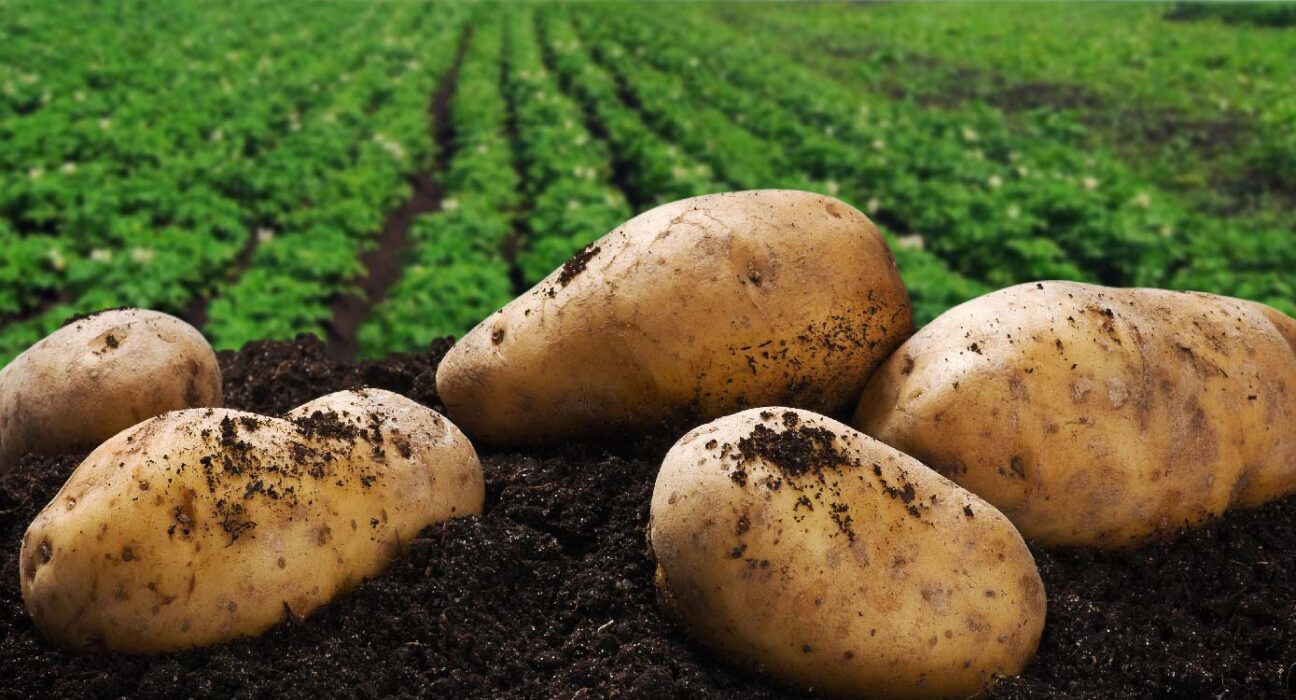
Potatoes are one of the most important food and cash crops grown by farmers around the world. They are valued for their high nutritional content, versatility in cooking and strong market demand. However, achieving high potato yields depends heavily on proper crop management practices, especially fertilization.
One of the most critical fertilization practices in potato farming is topdressing. Topdressing refers to the application of additional fertilizer after the crop has already been planted and has started growing. When done correctly, topdressing provides essential nutrients that support plant growth, tuber formation, and overall productivity.
Understanding the correct method, timing, and type of fertilizer to use can significantly improve potato yields and farm profits.
Why topdressing is important in potato farming
Potatoes require a steady supply of nutrients throughout their growth stages. While basal fertilizers are applied during planting, the nutrients in the soil can become depleted as the plants grow.
Topdressing helps replenish these nutrients and ensures that the plants continue to grow vigorously. The practice is particularly important during the early growth stage when potato plants are developing stems, leaves and underground tubers.
Proper topdressing promotes stronger plant growth, better root development, and larger tuber formation. It also helps improve the overall quality and size of harvested potatoes.
Without adequate nutrient supply, potato plants may produce fewer tubers, smaller potatoes or poor-quality harvests.
Best time to topdress potatoes
Timing is very important when topdressing potatoes. Applying fertilizer too early or too late may reduce its effectiveness.
The most recommended time to topdress potatoes is three to four weeks after planting, when the plants have reached a height of about 15 to 20 centimeters. At this stage, the plants are actively growing and can efficiently absorb nutrients from the soil.
Topdressing is usually done just before the first earthing up process. Earthing up involves covering the base of the plant with soil to protect developing tubers from sunlight and to support plant stability.
Applying fertilizer before earthing up allows the nutrients to be incorporated into the soil where the roots can easily access them.
Recommended fertilizers for potato topdressing
Potatoes require a balanced supply of nutrients, especially nitrogen, phosphorus and potassium. Among these nutrients, nitrogen plays a major role in promoting vegetative growth and healthy plant development.
One of the most commonly recommended fertilizers for potato topdressing is Calcium Ammonium Nitrate (CAN). CAN is widely used because it supplies nitrogen in a form that is easily absorbed by plants while also providing calcium, which improves soil structure and plant health.
Another fertilizer sometimes used is urea,which contains a high concentration of nitrogen. However, urea should be applied carefully because excessive nitrogen can lead to excessive leafy growth instead of tuber development.
Farmers should follow recommended application rates depending on soil fertility and crop requirements.
How to apply topdressing fertilizer
Correct fertilizer application is important to ensure that potato plants benefit fully from the nutrients.
The fertilizer should be applied around the base of each potato plant but not directly touching the stem. Placing fertilizer too close to the stem can burn the plant and cause damage.
After applying the fertilizer, soil should be gently heaped around the plant during the earthing-up process. This helps mix the fertilizer into the soil and allows the nutrients to reach the root zone.
In addition, the soil should have adequate moisture to help dissolve the fertilizer and make nutrients available to the plants. If rainfall is insufficient, light irrigation may help improve fertilizer absorption.
Additional nutrients for healthy potato growth
Apart from nitrogen, potatoes also require other nutrients such as phosphorus and potassium. These nutrients are usually supplied during planting through basal fertilizers such as NPK blends or compound fertilizers.
Potassium is particularly important for improving tuber size, quality, and disease resistance. Adequate potassium levels help produce firm and well-formed potatoes that have better storage quality.
In soils that are deficient in certain nutrients, farmers may need to apply additional fertilizers based on soil test results.
Balanced fertilization ensures that potato plants receive all the nutrients necessary for healthy growth and maximum yield.
Common mistakes farmers should avoid
While topdressing is an important practice, some mistakes can reduce its effectiveness. One common mistake is applying too much nitrogen fertilizer, which can result in excessive leaf growth at the expense of tuber formation.
Another mistake is applying fertilizer too far from the plant roots, making it difficult for the plant to absorb nutrients efficiently.
Farmers should also avoid topdressing during extremely dry conditions because fertilizer may not dissolve properly in the soil.
Proper timing, correct fertilizer placement, and adequate soil moisture are essential for successful topdressing.
Topdressing is a crucial practice in potato farming that helps provide additional nutrients needed for healthy plant growth and high yields. By applying fertilizer at the right time and using recommended fertilizers such as Calcium Ammonium Nitrate, farmers can significantly improve potato productivity.
Combining proper topdressing with good farming practices such as earthing up, irrigation and pest management ensures strong plant development and better-quality harvests.
For farmers aiming to maximize potato production, learning how to topdress potatoes correctly is an important step toward achieving profitable and sustainable farming.

Author: Moureen Koech
Moureen Koech is a passionate Digital Journalist, an adept Agribusiness Writer with a keen eye for news and an impactful story-teller,whose stories provide key value to Agripreneurs and stakeholders in the Agricultural sector