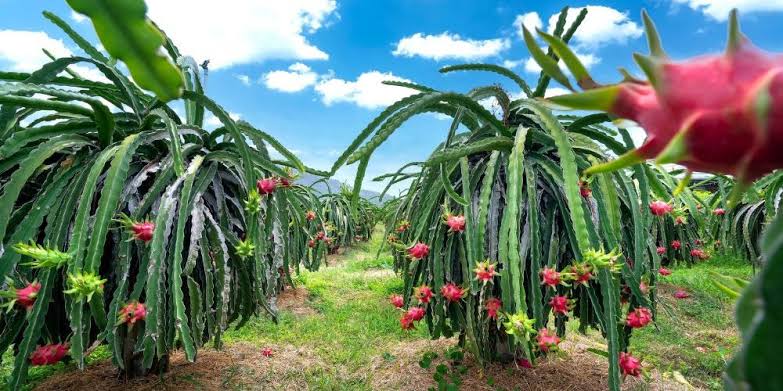
Dragon fruit farming has become increasingly popular in many parts of the world due to its high market value, unique appearance and impressive nutritional benefits. Also known as pitaya, dragon fruit is a tropical fruit that grows on a cactus plant. The fruit is recognized by its bright pink or red skin and white or red flesh filled with tiny black seeds.
In recent years, dragon fruit has gained attention from farmers and agripreneurs because it can generate high profits when properly managed. The fruit is widely consumed fresh and is also used in juices, smoothies, desserts and health products. As demand for exotic and nutritious fruits continues to grow, dragon fruit farming presents an attractive business opportunity for farmers.
Nutritional and health benefits of dragon fruit
Dragon fruit is highly nutritious and is often considered a superfood. It is rich in vitamins, minerals, fiber and antioxidants that support overall health. One of the key nutrients found in dragon fruit is vitamin C, which helps strengthen the immune system and protect the body from infections.
The fruit also contains antioxidants that help fight harmful free radicals in the body. These antioxidants contribute to improved skin health and may help reduce the risk of chronic diseases.
Dragon fruit is also known for supporting digestion because it contains dietary fiber. Fiber promotes healthy digestion and helps maintain a healthy gut. Due to these health benefits, dragon fruit has become increasingly popular among health-conscious consumers.
Suitable climate for dragon fruit farming
Dragon fruit grows best in warm tropical and subtropical climates. The plant thrives in temperatures ranging between 18°C and 30°C. Areas with plenty of sunshine and moderate rainfall are ideal for dragon fruit cultivation.
Although the plant is a cactus and can tolerate dry conditions, it still requires regular watering during the growing season to produce healthy fruits. However, excessive rainfall or waterlogged soil can damage the roots and reduce plant productivity.
Farmers in warm regions can successfully grow dragon fruit with proper farm management and irrigation practices.
Soil requirements for dragon fruit
Dragon fruit plants grow well in well-drained soils that are rich in organic matter. Sandy loam or loamy soils are usually ideal because they allow good drainage while retaining enough moisture for plant growth.
The recommended soil pH for dragon fruit farming ranges between 5.5 and 7.0. Proper soil preparation is important before planting. Farmers are encouraged to add organic manure or compost to improve soil fertility and structure.
Good soil conditions help support strong root development and promote healthy plant growth.
Land preparation and planting
Proper land preparation is essential for establishing a successful dragon fruit farm. The land should be cleared of weeds and prepared to allow proper drainage.
Dragon fruit plants require support structures because they are climbing cacti. Farmers usually install concrete or wooden poles with a circular frame at the top to support the plant as it grows.
Seedlings or cuttings are planted near these support poles. Each pole can support several plants, which grow upward and eventually spread over the top frame. Proper spacing between plants allows sunlight penetration and good air circulation.
Healthy planting materials should always be obtained from reliable nurseries to ensure strong plant growth and high productivity.
Crop management and care
Dragon fruit plants require proper management to achieve good yields. Regular irrigation is important, especially during dry periods, but overwatering should be avoided because it can cause root rot.
Applying organic manure and balanced fertilizers helps provide essential nutrients for plant growth and fruit production. Pruning is also necessary to remove weak or damaged stems and encourage the growth of productive branches.
Farmers should also monitor their farms for pests and diseases. Although dragon fruit is generally hardy, certain pests and fungal diseases may occasionally affect the plants.
Proper farm hygiene and timely pest management help maintain healthy crops.
Flowering and fruit production
Dragon fruit plants usually begin producing flowers after one to two years depending on the variety and growing conditions. The flowers are large and beautiful and typically bloom at night.
After pollination, the flowers develop into fruits that mature within about one month. Dragon fruit plants can produce several harvests in a year, making them highly productive crops.
Mature fruits are ready for harvesting when their skin develops a bright color and the scales begin to dry slightly.
Harvesting and post-harvest handling
Harvesting dragon fruit requires careful handling to avoid damaging the fruits. Farmers usually cut the fruit from the plant using sharp tools.
The harvested fruits should be handled gently and stored in clean containers to maintain quality. Proper post-harvest handling helps reduce losses and ensures that the fruits remain attractive for the market.
Dragon fruits can be sold fresh or processed into juice, smoothies and desserts.
Market opportunities for dragon fruit
Dragon fruit has strong market potential because of its increasing popularity among consumers. It is considered a premium fruit and often sells at higher prices compared to many traditional fruits.
Farmers can sell dragon fruits to supermarkets, fruit markets, restaurants, hotels and juice processing companies. Export markets also provide opportunities for farmers who can meet quality standards.
Value addition through processing into juices, fruit salads and desserts can further increase profits.
Dragon fruit farming offers an exciting opportunity for farmers looking to diversify their agricultural activities and increase income. With its high nutritional value, growing market demand, and relatively manageable cultivation practices, dragon fruit can be a profitable crop for modern agriculture.
By selecting suitable growing conditions, maintaining proper farm management practices, and exploring different marketing channels, farmers can successfully build a thriving dragon fruit farming business. As global demand for healthy and exotic fruits continues to grow, dragon fruit farming remains a promising venture for agripreneurs.

Author: Moureen Koech
Moureen Koech is a passionate Digital Journalist, an adept Agribusiness Writer with a keen eye for news and an impactful story-teller,whose stories provide key value to Agripreneurs and stakeholders in the Agricultural sector