


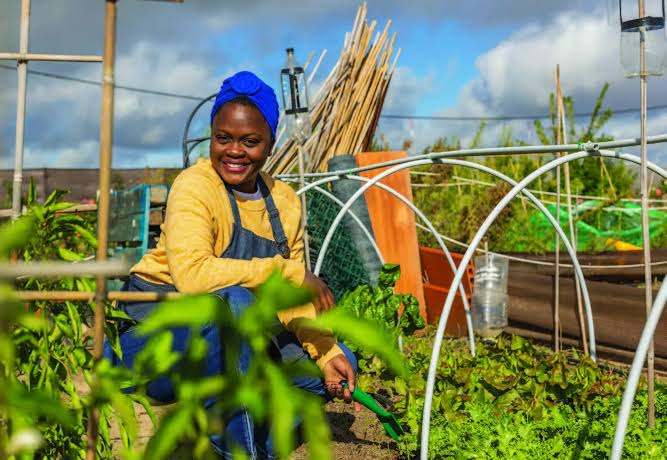
Kitchen gardening is one of the easiest and most rewarding ways to take control of your food, save money and live a healthier lifestyle. Whether you have a small backyard, balcony or just a few containers, you can grow fresh vegetables, fruits, and herbs right at home. With rising food costs and concerns about food safety, kitchen gardening is quickly becoming a must-have skill for every household.
This guide will walk you through everything you need to know to start and succeed in your own kitchen garden.
What is Kitchen Gardening?
Kitchen gardening simply means growing food crops at home for daily consumption. Unlike large-scale farming, it focuses on small, manageable spaces and crops that are frequently used in your kitchen, such as vegetables, herbs and fruits.
The goal is simple: fresh, healthy, and affordable food right at your doorstep.
Benefits of kitchen gardening
1. Fresh and Healthy Food
You get access to chemical-free, organic produce harvested at the right time. This improves your nutrition and overall health.
2. Saves Money
Instead of buying vegetables daily, you harvest from your garden, reducing household expenses significantly.
3. Easy Access
No more trips to the market your ingredients are just a few steps away.
4. Stress Relief
Gardening is therapeutic. It helps reduce stress and improves mental well-being.
5. Food Security
Especially in uncertain times, having your own food source ensures your family never goes hungry.
Best crops for kitchen gardening
If you’re starting out, choose crops that are easy to grow and commonly used:
- Spinach (Sukuma wiki)
- Tomatoes
- Onions
- Coriander (Dhania)
- Kale
- Capsicum (Hoho)
- Chili peppers
- Lettuce
- Spring onions
These crops grow quickly and provide continuous harvests.
How to start a kitchen garden
1. Choose the Right Location
Select a spot that receives at least 4–6 hours of sunlight daily. This could be:
- Backyard
- Balcony
- Rooftop
- Window area
Even small spaces can be productive with proper arrangement.
2. Decide on Your Gardening Method
You can grow your crops using:
- Containers (buckets, sacks, tins)
- Raised beds
- Vertical gardens
Container gardening is ideal for urban homes with limited space.
3. Prepare the Soil
Healthy soil is the foundation of a successful garden.
- Mix topsoil with compost or manure
- Ensure good drainage
- Avoid overly compact soil
Good soil promotes faster growth and better yields.
4. Plant Your Crops
You can either:
- Sow seeds directly
- Transplant seedlings
Make sure to follow proper spacing to avoid overcrowding.
5. Water Regularly
Water your plants consistently, especially during dry periods. Early morning or evening watering is best to reduce evaporation.
6. Use Natural Fertilizers
Boost your soil using:
- Compost
- Animal manure
- Kitchen waste (like vegetable peels)
This keeps your garden organic and sustainable.
Simple kitchen gardening ideas for small spaces
Vertical Gardening
Use walls, shelves or hanging containers to grow plants upward instead of outward.
Sack Gardening
Fill a sack with soil and plant vegetables on the sides perfect for sukuma wiki and spinach.
Container Gardening
Use old buckets, basins or tins to grow herbs and vegetables.
Recycled Gardening
Reuse plastic bottles, tins, and containers to create a low-cost garden.
Common mistakes to avoid
- Overwatering or underwatering plants
- Planting too many crops in a small space
- Ignoring pests and diseases
- Using poor-quality seeds
- Lack of consistency in care
Avoiding these mistakes will greatly improve your success.
Tips for a successful kitchen garden
- Start small and expand gradually
- Grow what you eat most
- Rotate crops to maintain soil health
- Harvest regularly to encourage new growth
- Protect plants from pests using natural solutions
Why kitchen gardening is the future
With increasing urbanization and food prices, kitchen gardening offers a practical solution to food insecurity. It empowers individuals and families to take control of their nutrition while reducing dependency on markets.
For young people and families in Kenya, this is not just a hobby, it’s an opportunity to save money, improve health, and even earn income by selling surplus produce.
Kitchen gardening proves that you don’t need a large farm to grow your own food. With a little space, effort and consistency, you can enjoy fresh, healthy produce every day.
Start today with just a few crops and in a few weeks, you’ll be harvesting your own vegetables right from your home.
Your journey to healthier living begins in your backyard or even your balcony.

Author: Moureen Koech
Moureen Koech is a passionate Digital Journalist, an adept Agribusiness Writer with a keen eye for news and an impactful story-teller,whose stories provide key value to Agripreneurs and stakeholders in the Agricultural sector


