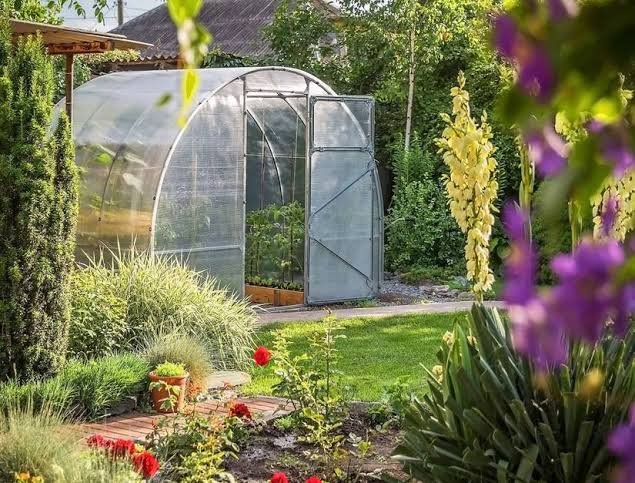
Greenhouse farming has become increasingly popular among farmers seeking higher yields, better crop quality, and year-round production. By creating a controlled environment, greenhouses allow farmers to protect crops from extreme weather conditions, improve water efficiency and increase productivity.
However, despite the advantages, many greenhouse projects fail to achieve expected results due to avoidable management mistakes. Investing in a greenhouse alone does not guarantee success. Poor planning, improper management practices, and lack of technical knowledge can lead to low yields, disease outbreaks, financial losses and reduced profitability.
Understanding the common mistakes farmers make in greenhouse farming can help avoid costly errors and improve long-term success.
Starting without proper planning
One of the biggest mistakes in greenhouse farming is beginning production without adequate planning.
Some farmers invest heavily in greenhouse structures before evaluating market demand, production costs, crop suitability and management requirements.
Successful greenhouse farming requires a clear production plan that includes crop selection, target markets, irrigation systems, labor requirements, and expected returns.
Without proper planning, farmers may struggle with oversupply, poor crop performance or financial pressure.
Careful preparation helps reduce risks and improves decision-making.
Choosing the wrong greenhouse location
Location plays a major role in greenhouse performance.
Building a greenhouse in areas with poor drainage, limited water access, excessive shade or strong winds can negatively affect production.
Greenhouses require adequate sunlight, reliable water supply, and accessibility for transport and farm operations.
Poor site selection may increase disease pressure and operating costs.
Farmers should assess environmental conditions before construction.
Selecting unsuitable crops
Not all crops perform equally well under greenhouse conditions.
Some farmers choose crops based on trends rather than market research and technical suitability.
Crop selection should consider climate, local demand, production costs, available expertise and expected profitability.
High-value vegetables such as tomatoes, capsicum, cucumbers and some leafy vegetables are commonly grown successfully in greenhouses.
Selecting unsuitable crops often leads to poor yields and market losses.
Poor greenhouse design and construction
Greenhouse design directly influences crop performance.
Some farmers prioritize low construction costs at the expense of functionality and durability.
Poor ventilation, weak structures, poor drainage systems and low-quality covering materials reduce efficiency.
Greenhouses should allow adequate airflow, temperature control, water management and easy crop maintenance.
Investing in quality construction helps reduce future maintenance costs.
Improper irrigation management
Water management is one of the most critical aspects of greenhouse farming.
Both overwatering and underwatering create serious production problems.
Excess irrigation may lead to root diseases, nutrient loss and poor oxygen availability in the root zone.
Insufficient watering causes plant stress and reduced growth.
Drip irrigation systems are often preferred because they deliver water efficiently and minimize wastage.
Monitoring soil moisture helps maintain proper irrigation schedules.
Ignoring soil and growing media quality
Many greenhouse farmers underestimate the importance of soil preparation.
Using contaminated, infertile or poorly drained growing media increases disease risks and limits productivity.
Greenhouse soils should be tested regularly to determine nutrient status and identify potential problems.
Adding organic matter and maintaining proper soil structure supports healthy root development.
Where soil challenges exist, alternative growing systems may be considered.
Excessive fertilizer application
Applying excessive fertilizer is a common mistake among greenhouse farmers.
Some assume that more fertilizer automatically produces higher yields.
Overfertilization can damage roots, create nutrient imbalances, increase salinity and reduce crop quality.
Balanced nutrient management based on crop requirements and soil testing produces better results.
Farmers should monitor crop responses and adjust fertilizer programs accordingly.
Poor pest and disease management
Greenhouses create controlled environments, but they can also encourage rapid spread of pests and diseases if management is poor.
Many farmers react only after severe infestations occur.However,Preventive management is more effective than treatment.
- Good sanitation, monitoring, crop inspection and integrated pest management practices reduce risks.
- Removing infected plants promptly helps prevent wider outbreaks.
- Maintaining cleanliness around the greenhouse is equally important.
Overcrowding Plants
Plant spacing significantly affects crop performance.Some farmers overcrowd plants in an attempt to increase yields per unit area.However, overcrowding reduces airflow, increases humidity, limits sunlight penetration and promotes disease development.
Proper spacing allows plants to access light, nutrients and air effectively.Healthy spacing often results in higher-quality produce and improved yields.
Neglecting temperature and ventilation control
Temperature management is essential in greenhouse production.
Excess heat can stress plants and reduce fruit development, while cold conditions may slow growth.
Poor ventilation causes humidity buildup and increases disease pressure.
Farmers should monitor greenhouse conditions regularly and adjust ventilation as necessary.Shading, ventilation openings and environmental monitoring tools improve crop conditions.
Maintaining a stable environment supports healthy plant growth.
Failure to monitor crop performance
Successful greenhouse farming requires continuous observation.Some farmers leave crops unattended for long periods and fail to detect early signs of problems.
Regular monitoring allows farmers to identify nutrient deficiencies, water stress, pest attacks and disease symptoms before serious damage occurs.
Keeping records of production activities however supports better management decisions.Early intervention also often prevents major losses.
Poor harvest and post-harvest management
Production success can still be lost after harvest if produce is poorly handled.
Improper harvesting methods may damage crops and reduce market quality.
Delays in harvesting may lead to overmaturity and lower prices.
Proper cleaning, grading, packaging and storage improve product quality and market acceptance.
Post-harvest management is an important part of greenhouse profitability.
Ignoring Market Research
Some greenhouse farmers produce without identifying reliable buyers.Even high yields become unprofitable if markets are unavailable.
Farmers should understand customer preferences, seasonal demand and pricing trends before planting.
Contract farming, direct marketing and value addition may improve profitability.
Production should align with market opportunities.
Lack of Technical Knowledge
Greenhouse farming requires specialized knowledge and management skills.
Some farmers invest in structures but underestimate operational requirements.
Training, extension services, farm visits, and continuous learning improve performance.
Technology alone cannot guarantee success without proper management.
Developing technical skills helps farmers adapt and solve production challenges
Greenhouse farming offers excellent opportunities for increased productivity and profitability, but success depends on proper management and informed decision-making.
Farmers who invest in training, maintain suitable growing conditions, monitor crops regularly,m and follow good agricultural practices are morelikely to achieve successful greenhouse production.
Avoiding these common mistakes can help farmers maximize yields, improve quality and build sustainable greenhouse farming businesses.

Author: Moureen Koech
Moureen Koech is a passionate Digital Journalist, an adept Agribusiness Writer with a keen eye for news and an impactful story-teller,whose stories provide key value to Agripreneurs and stakeholders in the Agricultural sector