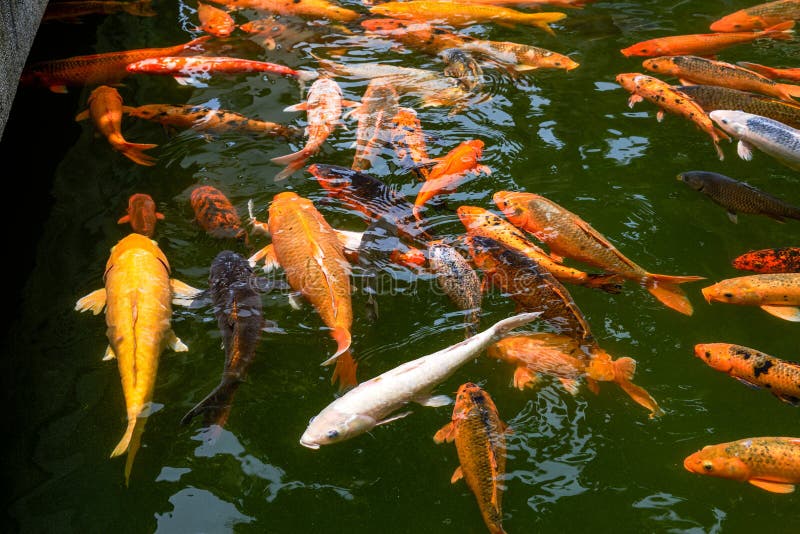
Ornamental fish farming is becoming one of the fastest-growing agribusiness ventures worldwide. With increasing demand for aquarium fish in homes, offices, hotels, restaurants and commercial spaces, farmers have an opportunity to earn a steady income from breeding and selling colorful ornamental fish. In Kenya, the ornamental fish industry is still relatively untapped, creating excellent opportunities for entrepreneurs looking for a low-space, high-value farming enterprise.
Whether you want to start a small backyard fish farm or a commercial breeding operation, ornamental fish farming can be a rewarding business with proper planning and management.
What is ornamental fish farming?
Ornamental fish farming involves breeding, raising, and selling attractive fish species that are kept for decorative purposes in aquariums and garden ponds. Unlike fish raised for food, ornamental fish are valued for their vibrant colors, unique shapes and interesting behavior.
The business includes breeding fish, raising fry (young fish), maintaining healthy aquarium conditions, and marketing the fish to pet shops, aquarium dealers, landscapers and individual hobbyists.
Why invest in ornamental fish farming?
The popularity of home aquariums and aquascaping has fueled demand for ornamental fish across many countries. Hotels, offices, schools, shopping malls, and healthcare facilities also use aquariums to enhance their environments.
Some of the benefits of ornamental fish farming include:
- Requires relatively little land.
- High market value compared to food fish.
- Low startup costs for small-scale farmers.
- Fish reproduce quickly under good conditions.
- Can be done indoors or outdoors.
- Growing local and export market.
- Suitable for youth and urban farmers.
With proper management, ornamental fish farming can become a profitable source of income throughout the year.
Popular ornamental fish species
Different fish species appeal to different markets. Beginners should choose hardy fish that breed easily and have consistent demand.
Goldfish
Goldfish are among the most popular ornamental fish because they are hardy, colorful, and easy to care for. They come in various varieties such as Fantail, Oranda, Ryukin, and Black Moor.
Guppies
Guppies are small, brightly colored fish that breed rapidly. Their attractive tails and ease of breeding make them one of the best choices for beginners.
Mollies
Mollies are peaceful fish available in black, white, orange, and spotted varieties. They are easy to manage and suitable for community aquariums.
Swordtails
Swordtails are colorful live-bearing fish recognized by the sword-like extension on the male’s tail. They are hardy and reproduce frequently.
Platies
Platies are ideal for beginner fish farmers because they are peaceful, adaptable and available in numerous color patterns.
Koi Carp
Koi are highly valued ornamental pond fish. Premium-quality koi can fetch high prices, especially those with unique color combinations and patterns.
Angelfish
Angelfish are elegant freshwater fish popular among aquarium enthusiasts. They require more care but can command better prices.
Bettas (Siamese Fighting Fish)
Bettas are known for their spectacular fins and brilliant colors. They are among the highest-selling ornamental fish worldwide.
Choosing the right farming system
Ornamental fish can be raised using several production systems.
Glass Aquariums
Glass tanks are suitable for small-scale breeding and indoor farming. They allow close monitoring of fish health and breeding.
Cement Tanks
Cement ponds are ideal for commercial production. They are durable, easy to clean and can accommodate large numbers of fish.
Plastic Tanks
Plastic tanks are affordable, portable and commonly used by beginners.
Earthen Ponds
Large ornamental species like koi can be raised in well-managed earthen ponds, although water quality must be monitored carefully.
Water quality management
Water quality is the most important factor in ornamental fish farming. Poor water conditions can lead to disease outbreaks and fish deaths.
Farmers should maintain:
- Clean, chlorine-free water.
- Stable temperatures suitable for each species.
- Good oxygen levels through aeration.
- Proper filtration systems.
- Suitable pH levels, generally between 6.5 and 8.0 for most freshwater species.
- Regular partial water changes.
Testing water quality regularly helps prevent problems before they affect production.
Feeding ornamental fish
Balanced nutrition promotes healthy growth, vibrant colors and successful breeding.
Suitable feeds include:
- Commercial ornamental fish pellets.
- Flake feeds.
- Brine shrimp.
- Bloodworms.
- Daphnia.
- Mosquito larvae.
- Spirulina-based feeds.
Feed fish two to three times daily in small quantities. Overfeeding should be avoided because leftover feed pollutes the water.
Breeding and reproduction
Different ornamental fish reproduce in different ways.
Live-bearing species such as guppies, mollies, swordtails and platies give birth to live young and breed easily, making them ideal for beginners.
Egg-laying species like angelfish, goldfish, and koi require special breeding setups where eggs can hatch safely away from predators.
Separating breeding pairs and providing appropriate spawning conditions improves survival rates of fry.
Common diseases
Healthy management practices reduce disease outbreaks.
Common diseases include:
White Spot Disease (Ich)
Symptoms include white spots on the body and fins, rubbing against objects, and rapid breathing.
Fin Rot
Affected fish develop frayed fins caused by bacterial infections resulting from poor water quality.
Fungal Infections
White cotton-like growths appear on the fish’s skin or fins.
Swim Bladder Disorder
Fish may struggle to swim properly or float sideways due to digestive or internal problems.
Maintaining excellent water quality, avoiding overcrowding and quarantining new fish are the best ways to prevent disease.
Marketing ornamental fish
Finding reliable buyers is essential for a successful business.
Potential customers include:
- Pet shops.
- Aquarium retailers.
- Landscaping companies.
- Hotels and restaurants.
- Schools.
- Interior designers.
- Online buyers.
- Aquarium hobbyists.
- Garden centers.
Using social media platforms to showcase colorful fish can help farmers reach customers beyond their local markets.
Challenges in ornamental fish farming
Although profitable, the business has several challenges, including:
- Maintaining water quality.
- Disease outbreaks.
- Power interruptions affecting aeration.
- Limited access to quality breeding stock.
- Transportation stress during delivery.
- Fluctuating market demand.
Good planning and proper farm management can overcome these challenges.
Tips for success
To succeed in ornamental fish farming:
- Start with easy-to-breed species.
- Invest in reliable filtration and aeration equipment.
- Monitor water quality regularly.
- Avoid overcrowding tanks.
- Purchase healthy breeding stock from reputable suppliers.
- Keep detailed production records.
- Learn about each fish species before breeding.
- Build relationships with aquarium shops and online customers.
- Maintain strict hygiene to prevent disease.
Ornamental fish farming is an exciting and profitable agribusiness that offers excellent opportunities for entrepreneurs, youth, and small-scale farmers. With increasing demand for decorative aquarium fish, relatively low space requirements and the potential for year-round production, the enterprise can generate attractive returns when managed well.
Success depends on selecting the right fish species, maintaining excellent water quality, providing balanced nutrition, preventing diseases and developing reliable markets. By starting small, gaining experience, and gradually expanding, farmers can build a thriving ornamental fish business that contributes to income generation and employment while meeting the growing demand for beautiful aquarium fish.

Author: Moureen Koech
Moureen Koech is a passionate Digital Journalist, an adept Agribusiness Writer with a keen eye for news and an impactful story-teller,whose stories provide key value to Agripreneurs and stakeholders in the Agricultural sector