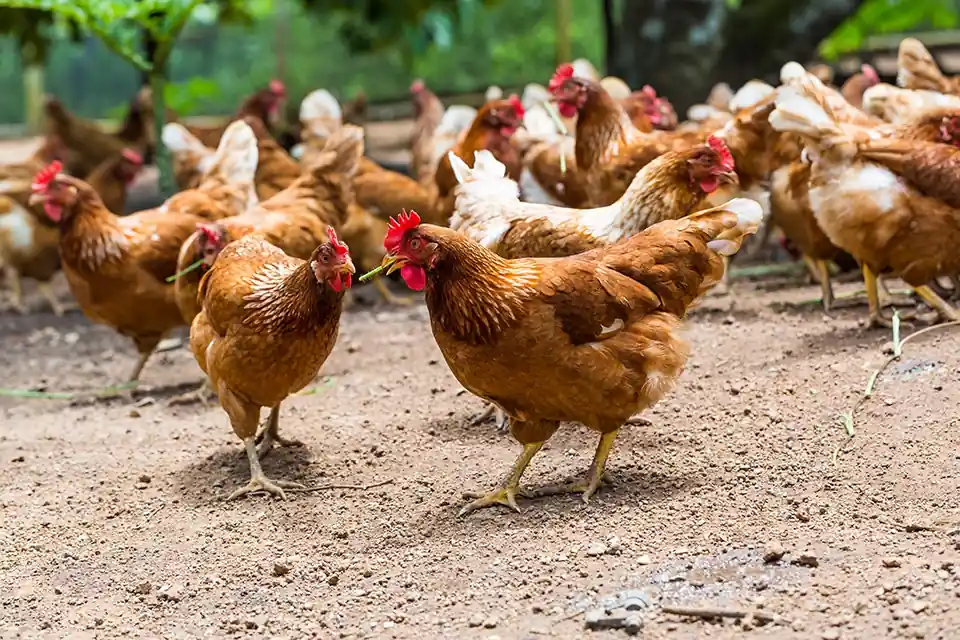
Poultry farming is often described as one of the easiest agricultural businesses to start. You hear stories of farmers making good money from selling eggs, broilers or improved indigenous chicken and it can seem like all you need is a small chicken house and a few birds. While poultry farming can indeed become a profitable business, there is much more to it than simply buying chicks and waiting for them to grow.
Many first-time poultry farmers learn the hard way that success depends on planning, good management, disease prevention, proper feeding and having a reliable market. Before investing your savings in poultry farming, it is important to understand the realities that are rarely discussed.
Starting poultry farming requires more than buying chicks
One of the first things new farmers discover is that purchasing chicks is only a small part of the total investment. Before the birds arrive, you need to think about housing, feeders, drinkers, litter materials, lighting, water supply and security. Depending on the type and size of your poultry enterprise, you may also need equipment for cleaning, brooding and handling the birds.
The ongoing costs can be even more important. Chickens need feed and clean water every day, whether the market price for eggs or birds is favourable or not. This means a poultry farmer must have enough working capital to maintain the flock throughout the production period.
Feed is particularly important because it can account for a large share of poultry production costs. Trying to save money by buying poor-quality feed can end up costing more if the birds grow slowly, produce fewer eggs or become more vulnerable to health problems. Farmers should therefore consider both the quality and cost of feed rather than simply choosing the cheapest option.
Another expense that beginners sometimes overlook is mortality. Every bird that dies represents money already spent on purchasing the chick, feeding it and caring for it. Preventing unnecessary deaths is therefore an important part of protecting the profitability of a poultry business.
Disease can change everything
Perhaps one of the biggest challenges in poultry farming is disease. Chickens live relatively close together, meaning that health problems can spread rapidly when proper precautions are not taken.
A farmer may invest significant money in a flock only to experience serious losses because of poor hygiene, overcrowding, contaminated equipment or the introduction of unhealthy birds. This is why disease prevention should begin before the chicks arrive.
The poultry house should be kept clean and properly ventilated, while drinking water and feeding equipment should be maintained hygienically. Farmers should also control unnecessary movement of people around the poultry house and take precautions when introducing birds from outside the farm.
Vaccination and other disease-prevention measures should be planned according to the type of birds being kept and the local disease risks. Farmers should seek advice from qualified animal-health professionals rather than waiting until birds become seriously ill.
Daily observation is equally important. Healthy chickens should generally be active and feed normally. A sudden change in appetite, movement, droppings, drinking behaviour or egg production can indicate that something is wrong. Detecting problems early can make a major difference.
The market can make or break your poultry business
Another reality that is sometimes ignored when people talk about poultry farming is the importance of the market. It is possible to raise healthy chickens and still struggle to make a profit if you have no reliable customers.
Before starting a poultry project, farmers should identify potential buyers and understand the demand in their area. Depending on the type of poultry enterprise, customers may include households, hotels, restaurants, retailers, institutions, traders and other farmers.
Farmers should also avoid assuming that poultry prices will always remain high. Egg and chicken prices can change because of supply, demand, feed costs, seasons and other market conditions. If many farmers produce the same product at the same time, competition can increase and prices may fall.
Having several potential buyers can therefore reduce dependence on a single customer. Building relationships with regular customers can also make it easier to sell products consistently.
Your records tell the real story
A poultry farm can appear successful simply because there are many birds, but the number of chickens does not necessarily tell you whether the business is profitable.
Without proper records, it can be difficult to know exactly how much money is being spent and how much is being earned. Farmers should keep track of expenses such as chicks, feed, labour, transport, equipment and health management, as well as income from egg or bird sales.
Records can reveal problems that may otherwise go unnoticed. For example, a farmer may discover that excessive feed wastage, high mortality or poor egg production is reducing profits.
Keeping records also makes it easier to compare different production cycles and determine which practices are working. Even a simple notebook can be useful for a small poultry farm.
Start small, learn and expand
For someone entering poultry farming for the first time, starting with a manageable number of birds can be a sensible approach. It allows the farmer to gain practical experience without putting too much money at risk.
During the first production cycle, you can learn how much feed the birds consume, how to manage the housing, how to monitor their health and how customers respond to your products. Once you understand these aspects of the business, expansion becomes easier to plan.
Poultry farming requires daily commitment. Chickens cannot simply be left for several days while the farmer attends to other activities. They need regular feeding, clean water, proper hygiene, observation and timely management.
The biggest lesson for anyone considering poultry farming is that keeping chickens and running a poultry business are two different things. A profitable poultry enterprise requires the farmer to think about production, health, finances and marketing at the same time.
With proper planning, good-quality inputs, effective disease prevention, accurate record keeping and a reliable market, poultry farming can become a sustainable source of income. However, farmers should enter the business with realistic expectations rather than believing that buying chicks automatically guarantees profit.
The poultry farmers who build successful businesses are those who understand their numbers, control unnecessary losses and treat every bird, bag of feed and sale as part of a larger business.
Poultry farming can be profitable, but the real secret is not keeping more chickens—it is managing the chickens you have as a serious business.

Author: Moureen Koech
Moureen Koech is a passionate Digital Journalist, an adept Agribusiness Writer with a keen eye for news and an impactful story-teller,whose stories provide key value to Agripreneurs and stakeholders in the Agricultural sector