Brazilian Cherry, scientifically known as Eugenia uniflora and commonly referred to as Surinam Cherry, is an unusual exotic fruit tree that is attracting interest among farmers looking to diversify their orchards. The plant produces attractive fruits with a distinctive shape and flavour, making it an interesting option for farmers, gardeners and those exploring niche fruit farming.
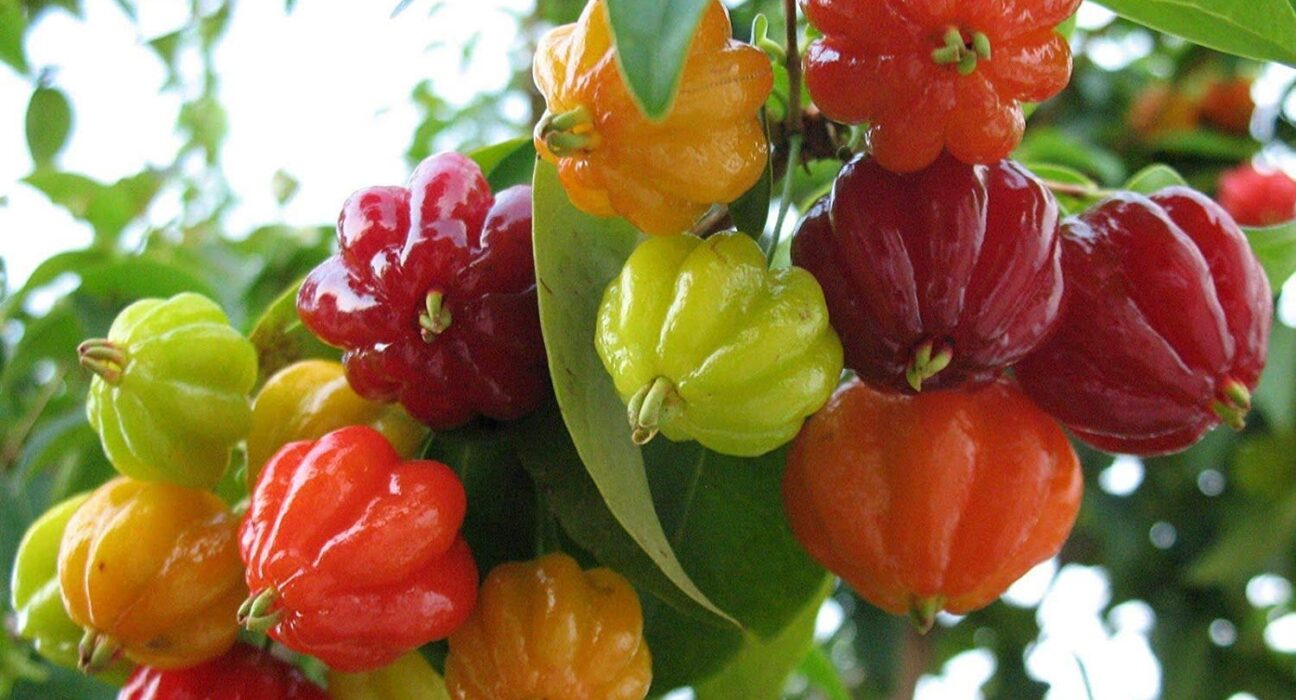
One of the most fascinating characteristics of Brazilian Cherry is the colour transformation of its fruits as they mature. The fruits can progress from green to yellow, red and eventually dark red or almost black, depending on the variety and stage of ripeness. This striking change makes the crop particularly attractive to farmers interested in unique fruit varieties.
Brazilian Cherry is native to South America but can be grown in suitable tropical and subtropical environments. In Kenya, farmers interested in introducing the crop should first consider their local climate, soil conditions, water availability and potential market before establishing a commercial orchard.
Why grow Brazilian Cherry?
Fruit farming in Kenya is increasingly moving beyond traditional crops as farmers search for ways to diversify their income. Brazilian Cherry offers an opportunity to introduce a less common fruit into a home garden, mixed orchard or specialised fruit farm.
The fruit has a distinctive sweet-tart flavour and can be consumed fresh when fully ripe. Its attractive appearance may also create opportunities for farmers targeting consumers interested in unusual or exotic fruits.
Another advantage of growing less common fruit varieties is the potential to serve niche markets. However, farmers should conduct proper market research before investing heavily in an unfamiliar crop. Understanding consumer demand, potential buyers, harvesting requirements and post-harvest handling can help determine whether the crop is commercially viable in a particular location.
Brazilian Cherry can also be incorporated into diversified orchards alongside crops such as mangoes, avocadoes, citrus, guavas and passion fruits. Rather than replacing established crops, it can form part of a broader strategy for agricultural diversification.
Planting and caring for Brazilian Cherry
The quality of planting material is one of the most important factors when establishing Brazilian Cherry. Farmers should select healthy, vigorous seedlings that are free from visible signs of pests, diseases and physical damage.
The planting site should have good drainage because excessive water around the roots can interfere with healthy plant development. Proper soil preparation before planting can give young seedlings a better start and encourage strong root development.
Regular watering is important during the establishment stage, particularly in areas where rainfall is inadequate. However, farmers should avoid excessive watering and ensure that the soil does not remain waterlogged.
Adding well-decomposed organic matter to the soil can help improve soil structure and provide nutrients. Farmers should also control weeds around young trees because weeds compete with seedlings for water, nutrients and sunlight.
As the trees grow, regular monitoring is necessary to identify pest attacks, diseases or nutritional problems early. Pruning may also be required to maintain a suitable shape, remove damaged branches and improve air circulation within the plant.
Farmers should pay attention to the specific requirements of their local growing area because performance can vary depending on climate, soil type, rainfall and management practices.
Understanding Brazilian Cherry fruit development
The changing colour of Brazilian Cherry fruit is one of its most distinctive features. Young fruits begin green and gradually change colour as they mature. Depending on the variety and ripeness stage, the fruits may pass through yellow and red shades before becoming deep red or dark purple to almost black.
The fruits are generally considered ready for consumption when they have developed their characteristic mature colour and flavour. Their sweet-tart taste makes them different from many commonly grown fruits.
Farmers growing Brazilian Cherry should therefore learn to identify the appropriate harvesting stage. Handling the fruit carefully is also important because ripe fruits can be delicate.
Good harvesting and post-harvest practices can help maintain fruit quality and reduce losses. Where farmers are targeting fresh markets, proper packaging and transportation should also be considered.
Is Brazilian cherry suitable for Kenyan farmers?
Brazilian Cherry can be an interesting option for Kenyan farmers who want to experiment with exotic and niche fruit varieties. However, it should not be planted on a large scale without first evaluating its suitability to the local environment and market.
A farmer interested in the crop can begin with a small number of trees and observe their growth, flowering and fruiting performance. This approach can provide useful experience before expanding production.
Farmers should also consider the availability of water, soil fertility, labour requirements and access to potential markets. These factors can significantly influence the profitability of any fruit enterprise.
For home gardeners, Brazilian Cherry can provide both ornamental and fruit-producing value. Its colourful fruits and attractive growth make it an interesting addition to a diverse garden.
For commercial farmers, the crop may be most useful as part of a diversified fruit enterprise rather than as a single-crop farming venture. Combining different fruit varieties can help spread production and provide opportunities to target different markets.
The potential of exotic fruit farming
Kenya has a wide range of climates that support the production of many fruit crops. As consumers become more interested in different food varieties, exotic and niche fruits could provide new opportunities for farmers willing to explore less conventional crops.
Brazilian Cherry is one such crop. Its unusual fruit colour changes, distinctive flavour and potential for use in diversified orchards make it worth considering for farmers interested in expanding their fruit-growing options.
Nevertheless, successful Brazilian Cherry farming will depend on careful planning, quality planting material, proper orchard management and reliable market information. Farmers should start small, keep records and assess the performance of the crop under their specific conditions.
With proper management and a clear understanding of the market, Brazilian Cherry can become an interesting addition to Kenya’s growing portfolio of exotic and diversified fruit crops.

Author: Moureen Koech
Moureen Koech is a passionate Digital Journalist, an adept Agribusiness Writer with a keen eye for news and an impactful story-teller,whose stories provide key value to Agripreneurs and stakeholders in the Agricultural sector