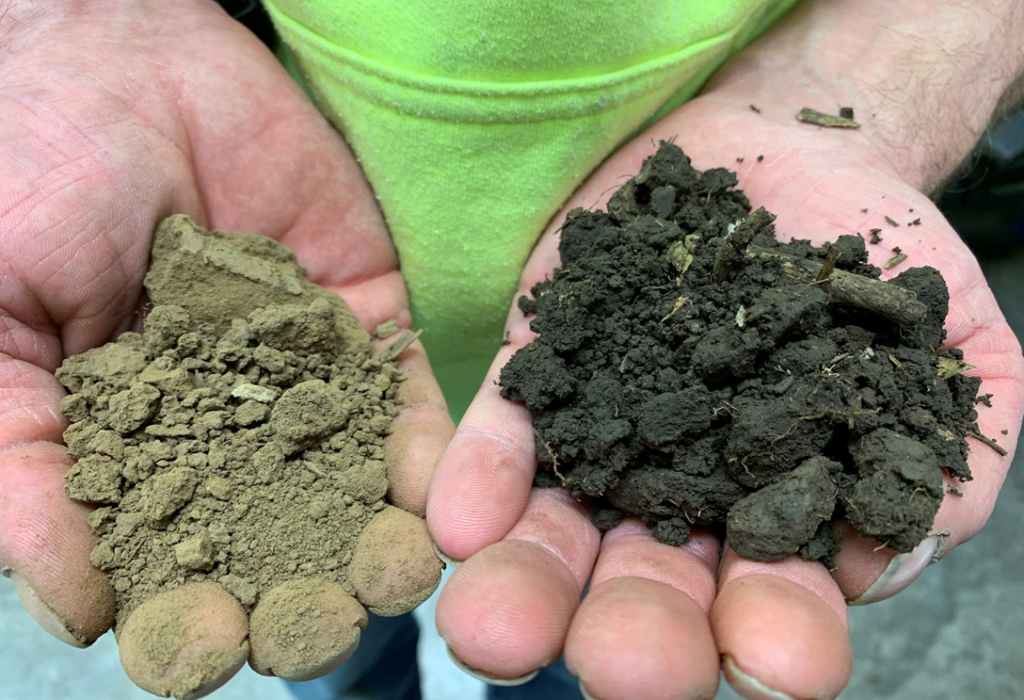
Regenerative agriculture is becoming one of the most important farming approaches in the modern world. As farmers face challenges such as soil degradation, climate change, water shortages and declining crop yields, many are turning to regenerative farming practices to restore soil health and improve long-term productivity. Unlike conventional farming systems that often focus only on production, regenerative agriculture aims to rebuild the soil, increase biodiversity and create sustainable farming ecosystems.
This farming method is gaining popularity in Kenya and many parts of Africa because it helps farmers reduce production costs while improving environmental conservation. Regenerative agriculture focuses on working with nature instead of against it. It promotes healthy soils, stronger crops and better water retention while reducing dependence on synthetic fertilizers and chemicals.
What is Regenerative Agriculture?
Regenerative agriculture is a farming system designed to restore and improve soil health, biodiversity, water cycles and ecosystem balance. The main goal is to regenerate natural resources while maintaining profitable agricultural production.
Unlike traditional farming practices that may damage the soil through excessive tillage and chemical use, regenerative agriculture encourages methods that rebuild soil organic matter and increase beneficial microorganisms. Healthy soils are the foundation of productive farming because they improve nutrient availability, water retention and plant growth.
Regenerative agriculture combines several sustainable farming practices such as cover cropping, crop rotation, composting, reduced tillage, agroforestry, and rotational grazing. These methods work together to create resilient farming systems that can withstand drought, pests and climate change.
Importance of Regenerative Agriculture
Regenerative agriculture is important because many agricultural soils have become degraded due to overuse of chemical fertilizers, deforestation, overgrazing and poor farming methods. Soil degradation reduces productivity and increases the risk of erosion and water loss.
Healthy soils contain beneficial microorganisms and organic matter that support plant growth. Regenerative farming restores these natural processes and improves long-term soil fertility. Farmers who practice regenerative agriculture often experience healthier crops and reduced dependence on expensive chemical inputs.
This farming approach also helps fight climate change by increasing carbon storage in the soil. Plants absorb carbon dioxide from the atmosphere, and regenerative practices help trap this carbon underground through increased organic matter.
Key Principles of Regenerative Agriculture
One of the main principles of regenerative agriculture is minimizing soil disturbance. Excessive plowing destroys soil structure and reduces beneficial microbial activity. Reduced tillage helps maintain healthy soil ecosystems and prevents erosion.
Another important principle is maintaining soil cover. Bare soil is vulnerable to erosion, moisture loss, and high temperatures. Farmers use cover crops, mulch and crop residues to protect the soil surface and improve organic matter.
Crop diversity is also essential in regenerative farming. Growing different crops through rotation and intercropping helps improve soil fertility and reduce pest and disease buildup. Different plants contribute different nutrients and support various beneficial organisms.
Livestock integration is another important practice. Controlled grazing systems allow animals to fertilize the land naturally while improving pasture health. Proper grazing management can stimulate plant growth and increase soil carbon levels.
Benefits of Regenerative Agriculture
Regenerative agriculture offers many benefits to farmers and the environment. One major advantage is improved soil fertility. Healthy soils contain more organic matter, beneficial microbes and nutrients that support strong crop growth.
Improved water retention is another key benefit. Soils rich in organic matter absorb and store more water, helping crops survive during dry periods. This is especially important in regions affected by drought and irregular rainfall.
Regenerative farming also reduces production costs because farmers rely less on expensive chemical fertilizers and pesticides. Natural soil fertility and biodiversity help control pests and improve crop health naturally.
Another important benefit is increased biodiversity. Regenerative farms support insects, birds, earthworms and microorganisms that contribute to healthy ecosystems. Biodiversity improves pollination, pest control and soil health.
In the long term, regenerative agriculture can increase farm profitability by improving productivity and reducing environmental damage.
Common Regenerative Agriculture Practices
Cover cropping is one of the most widely used regenerative farming methods. Farmers plant crops such as legumes and grasses to protect the soil between growing seasons. Cover crops reduce erosion, improve soil fertility and suppress weeds.
Composting is another important practice. Organic waste materials such as animal manure, crop residues and food waste are decomposed to create nutrient-rich compost. Compost improves soil structure and microbial activity.
Agroforestry involves integrating trees with crops and livestock. Trees help improve soil fertility, reduce wind erosion, provide shade and increase biodiversity.
Crop rotation is also commonly practiced in regenerative agriculture. Rotating crops helps break pest cycles and improves nutrient balance in the soil. Legumes are often included because they fix nitrogen naturally.
Rotational grazing is used in livestock farming to prevent overgrazing and improve pasture recovery. Animals are moved between grazing areas to allow vegetation time to regenerate.
Challenges facing Regenerative Agriculture
Despite its benefits, regenerative agriculture also faces challenges. Some farmers lack knowledge and training on regenerative farming methods. Transitioning from conventional farming may take time and require patience.
Initial labor requirements may also be higher, especially when establishing compost systems, cover crops, or agroforestry projects. Some farmers may experience temporary yield reductions during the transition period as the soil ecosystem recovers.
Limited access to organic inputs and markets for sustainably produced products can also discourage adoption. However, growing awareness about sustainable agriculture is creating more opportunities for regenerative farmers.
Regenerative Agriculture and Climate Change
Climate change is affecting agriculture through droughts, floods and unpredictable weather patterns. Regenerative agriculture helps farmers adapt to these changes by improving soil resilience and water retention.
Healthy soils absorb more rainfall and reduce runoff during heavy rains. Crops grown in fertile soils are often more resistant to drought and disease. Regenerative farming also helps reduce greenhouse gas emissions by lowering dependence on synthetic fertilizers and storing carbon in the soil.
As climate challenges continue to increase, regenerative agriculture is becoming an important solution for sustainable food production and environmental protection.
Regenerative agriculture is a sustainable farming approach that focuses on restoring soil health, improving biodiversity and creating resilient farming systems. By using practices such as cover cropping, composting, crop rotation, reduced tillage and rotational grazing, farmers can improve productivity while protecting the environment.
This farming system offers many benefits including improved soil fertility, better water retention, lower production costs, and increased climate resilience. Although the transition may require training and patience, regenerative agriculture provides a long-term solution for sustainable farming and food security.
As more farmers embrace climate-smart agriculture, regenerative farming is likely to play a major role in the future of agriculture in Africa and around the world.

Author: Moureen Koech
Moureen Koech is a passionate Digital Journalist, an adept Agribusiness Writer with a keen eye for news and an impactful story-teller,whose stories provide key value to Agripreneurs and stakeholders in the Agricultural sector