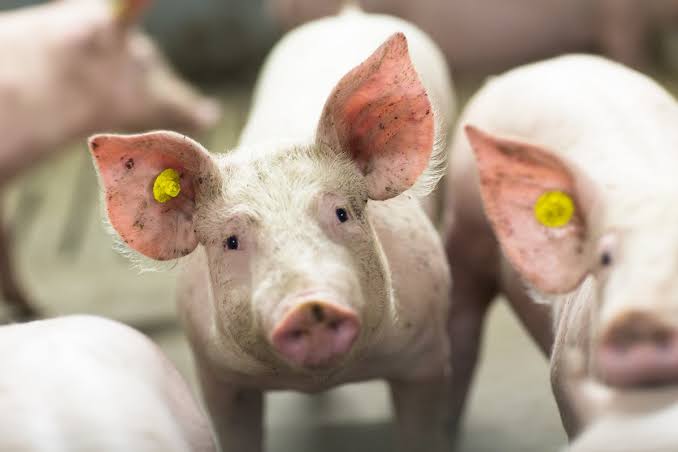
Pig farming is one of the fastest-growing livestock businesses in Kenya and many parts of Africa. Pigs are highly productive animals that grow quickly, reproduce fast and provide high-quality meat with strong market demand. Successful pig farming, however, depends heavily on proper breeding management. Farmers who understand pig breeding techniques are more likely to produce healthy piglets, improve herd quality, and maximize profits.
Pig breeding involves selecting healthy breeding stock, managing mating properly, caring for pregnant sows, and ensuring piglets grow well after birth. Poor breeding practices can lead to low fertility, weak piglets, slow growth and financial losses. Whether you are a beginner or experienced farmer, understanding proper pig breeding methods is essential for long-term success.
Choosing the right pig breeds
Selecting the right pig breeds is the first step toward successful pig breeding. Different breeds have different strengths such as fast growth, large litter sizes, good mothering ability or quality meat production.
Some of the most popular pig breeds include Large White, Landrace, Duroc, Hampshire, and Pietrain. Large White pigs are known for fast growth and good fertility, while Landrace pigs are excellent mothers with large litter sizes.
Farmers should choose breeds based on market demand, climate conditions, and farming goals. Crossbreeding is also common because it combines desirable traits from different breeds, improving productivity and disease resistance.
Healthy breeding animals should have strong bodies, good appetite, proper leg structure and no signs of disease or deformities.
Selecting healthy breeding stock
The quality of breeding stock greatly affects the performance of the pig farm. Farmers should select boars and sows from reliable breeders or reputable farms with good genetic records.
A good breeding boar should be active, healthy, and have strong body structure. Boars play a major role in improving herd genetics because one boar can breed many sows. Farmers should avoid using weak or aggressive boars for breeding.
Sows selected for breeding should have good body condition, strong legs, and enough functional teats to feed piglets properly. Sows with a history of poor mothering ability or small litters should not be retained for breeding.
Farmers should also avoid inbreeding because it weakens the herd and increases the risk of genetic defects and poor productivity.
Understanding the heat cycle in pigs
Knowing when a sow is on heat is important for successful breeding. Female pigs usually reach sexual maturity between five and eight months depending on breed and management.
Signs that a sow is on heat include restlessness, swollen and reddish vulva, mounting other pigs, reduced appetite, and standing still when pressure is applied to the back. This standing response is one of the clearest signs that the sow is ready for mating.
The heat cycle in pigs usually occurs every twenty-one days and lasts about two to three days. Farmers should mate the sow during the most fertile period to improve conception rates and litter size.
Proper heat detection helps farmers avoid missed breeding opportunities and improves reproductive efficiency.
Proper mating management
Timing is very important in pig breeding. Sows should be mated when they show strong standing heat signs because this increases the chances of successful fertilization.
Natural mating is common in small-scale farming, where the sow is taken to the boar for breeding. Farmers should allow enough time for proper mating and avoid stressing the animals during the process.
Artificial insemination is also becoming popular because it allows farmers to access superior genetics without keeping many boars. This method improves disease control and breeding efficiency.
Farmers should maintain proper breeding records including mating dates, expected farrowing dates, litter sizes, and piglet performance. Good records help monitor productivity and improve management decisions.
Feeding breeding pigs properly
Nutrition plays a major role in pig breeding success. Breeding pigs require balanced feeds rich in proteins, energy, vitamins, and minerals to support fertility and healthy reproduction.
Underfeeding breeding pigs can reduce fertility and cause poor litter performance. Overfeeding can also create problems such as obesity, difficult farrowing, and poor conception rates.
Pregnant sows should receive adequate nutrition to support fetal development and maintain good body condition. During late pregnancy and lactation, nutrient requirements increase significantly because the sow needs enough energy to produce milk for piglets.
Clean water should always be available because dehydration affects fertility and overall health.
Caring for pregnant sows
Pregnant sows require proper care to ensure healthy piglets and successful farrowing. The gestation period in pigs is approximately three months, three weeks and three days.
Farmers should provide clean, dry and comfortable housing for pregnant sows. Stress should be minimized because it may lead to abortion or poor reproductive performance.
Regular observation is important to monitor the sow’s health and body condition. Vaccination and parasite control should also be done according to veterinary recommendations.
As the farrowing date approaches, the sow should be moved to a clean farrowing pen with proper bedding and warmth for newborn piglets.
Piglet management after birth
Proper piglet care is essential for reducing mortality and improving growth rates. Piglets should begin suckling immediately after birth to receive colostrum, which provides immunity against diseases.
Farmers should ensure piglets stay warm because young piglets are highly sensitive to cold. Weak piglets may require extra attention and support to survive.
Teeth clipping and iron supplementation may be necessary to prevent injuries and anemia. Piglets should also be vaccinated and dewormed according to veterinary advice.
Weaning is usually done between four and eight weeks depending on the farming system and management practices.
Disease prevention in breeding pigs
Disease control is very important in pig breeding. Infections can reduce fertility, increase piglet deaths and lower farm profits.
Farmers should maintain good hygiene by cleaning pig houses regularly and disinfecting equipment. Quarantine measures should be followed when introducing new pigs into the farm.
Vaccination programs help protect pigs from diseases such as swine fever, erysipelas, and parvovirus. Farmers should also control internal and external parasites through regular deworming and proper sanitation.
Healthy pigs grow faster, reproduce better and produce stronger piglets.
Successful pig breeding requires proper breed selection, good nutrition, effective heat detection and excellent management practices. Farmers who invest in quality breeding stock and maintain proper housing, feeding and disease control are more likely to achieve high productivity and profits.
Pig breeding can be a highly rewarding agribusiness because pigs grow quickly and reproduce efficiently. With proper planning and management, farmers can improve herd quality, increase litter sizes and build sustainable pig farming businesses.

Author: Moureen Koech
Moureen Koech is a passionate Digital Journalist, an adept Agribusiness Writer with a keen eye for news and an impactful story-teller,whose stories provide key value to Agripreneurs and stakeholders in the Agricultural sector