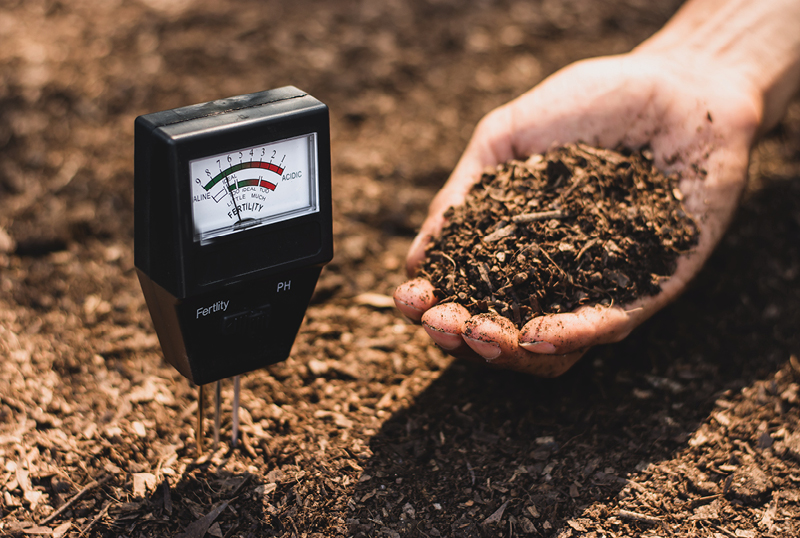
Many farmers apply fertilizers season after season but still experience low yields. The hidden problem in most cases is not the lack of inputs, but poor soil chemistry. When soil conditions are imbalanced especially soil pH, plants are unable to absorb nutrients efficiently. This leads to yellowing leaves, stunted growth and wasted fertilizer. Understanding and correcting soil chemistry is one of the most powerful steps you can take to increase productivity on your farm.
Why soil chemistry matters
Soil chemistry determines how nutrients behave in the soil and whether crops can access them. Even if your soil contains essential nutrients like nitrogen, phosphorus and potassium, they may remain “locked” and unavailable to plants if the pH is too high or too low. This is why some farmers see no improvement even after applying expensive fertilizers.
The ideal soil pH for most crops ranges between 5.5 and 7.0. Within this range, nutrients are readily available, and beneficial microorganisms thrive. When soil pH moves outside this range, nutrient uptake becomes inefficient, directly affecting crop growth and yield.
Step 1: Test Your Soil pH (Critical First Step)
Before applying any fertilizer or soil amendment, you must first understand the condition of your soil. Soil testing is the foundation of effective soil management.
Start by collecting soil samples from different parts of your farm. Take samples from about 5 to 10 spots per acre to get a representative result. Mix these samples thoroughly to form one composite sample. You can then test the soil using a portable soil pH meter or send it to a laboratory for a more detailed analysis.
Testing helps you determine whether your soil is acidic, neutral or alkaline. Without this information, any fertilizer application becomes guesswork and may lead to poor results or even further imbalance.
Step 2: Correcting Soil pH
Once you know your soil pH, the next step is to correct it to the optimal range for crop production.
Correcting acidic soil
If your soil pH is below 5.5, it is considered acidic. Acidic soils limit the availability of key nutrients like phosphorus and nitrogen while increasing the risk of toxic elements such as aluminum.
To correct acidic soil, apply agricultural lime. For moderately acidic soils, use about 1 to 2 tons per acre. In cases of severe acidity, you may need up to 3 tons per acre. Lime should be applied at least 2 to 4 weeks before planting and thoroughly mixed into the top 15 to 20 cm of soil.
Lime not only raises soil pH but also adds calcium, improves soil structure, and enhances nutrient availability. Once applied correctly, you will notice better crop response to fertilizers.
Correcting Alkaline Soil
If your soil pH is above 7.5, it is alkaline. Alkaline soils often reduce the availability of micronutrients such as iron and zinc, leading to deficiencies even when these nutrients are present in the soil.
To lower soil pH, apply organic matter such as farmyard manure at a rate of 5 to 10 tons per acre. Organic matter improves soil structure and gradually balances pH levels. You can also apply elemental sulfur at a rate of 20 to 40 kg per acre. Incorporate these materials into the soil 3 to 6 weeks before planting for the best results.
Step 3: Fix nutrient deficiencies
After correcting soil pH, the next step is to address specific nutrient deficiencies. Balanced nutrition is essential for healthy crop growth.
Nitrogen deficiency is common and often shows as yellowing leaves and slow growth. To correct this, apply urea at a rate of 50 to 100 kg per acre. For best results, split the application into two or three stages, typically at 2, 4 and 6 weeks after germination. This ensures a steady supply of nitrogen throughout the crop’s growth cycle.
Phosphorus deficiency affects root development and early plant growth. Apply DAP fertilizer at about 50 kg per acre during planting. Place the fertilizer about 5 cm away from the seed to avoid direct contact, which can damage young roots.
Potassium deficiency weakens plants and reduces their resistance to diseases and drought. Apply MOP (0:0:60) at a rate of 40 to 80 kg per acre during the vegetative stage. Potassium helps improve crop quality, strength and overall resilience.
Step 4: Build soil organic matter
Improving soil organic matter is a long-term strategy that supports sustainable farming. Organic matter plays a key role in enhancing soil fertility, structure and biological activity.
Apply compost or well-decomposed manure at a rate of 5 to 10 tons per acre before planting. Incorporate crop residues by chopping them into small pieces (about 2 to 5 cm) and mixing them into the soil. This practice not only adds nutrients but also improves soil aeration and water retention.
Soils rich in organic matter are more efficient at holding nutrients, reducing fertilizer losses, and supporting beneficial microorganisms. Over time, this leads to healthier crops and higher yields.
Step 5: Monitor field signs
Healthy soil often shows visible signs that indicate good structure and fertility. Look for dark, crumbly soil that is easy to work with. The presence of earthworms is a strong indicator of active soil life and good organic matter content.
You should also observe strong root penetration and uniform crop growth across your field. Uneven growth may indicate underlying soil issues that need attention. Regular monitoring helps you make timely adjustments and maintain optimal soil conditions.
Soil chemistry is not just a technical concept, it is the foundation of successful farming. When your soil is properly balanced, every input you apply becomes more effective. Fertilizers work better, crops grow healthier and yields increase significantly.
By testing your soil, correcting pH imbalances, addressing nutrient deficiencies, and building organic matter, you create a strong foundation for sustainable productivity. Instead of guessing, you make informed decisions that maximize returns on your investment.
If you want higher yields and better crop performance, start with your soil. When soil chemistry is right, everything else falls into place.

Author: Moureen Koech
Moureen Koech is a passionate Digital Journalist, an adept Agribusiness Writer with a keen eye for news and an impactful story-teller,whose stories provide key value to Agripreneurs and stakeholders in the Agricultural sector