Starting a kitchen garden is one of the most practical and rewarding steps you can take toward healthier living and food security. Whether you have a backyard, a balcony, or just a few containers, a kitchen garden allows you to grow fresh vegetables right at home. For beginners, the key to success is choosing crops that grow quickly and require minimal maintenance. This ensures you see results fast, stay motivated and build confidence as a home gardener.
In this guide, we explore the best quick-growing, low-maintenance vegetables you can plant in your kitchen garden and how to care for them for maximum yields.
Why start a kitchen garden?
A kitchen garden offers multiple benefits beyond just fresh food. First, it reduces your grocery expenses by providing a steady supply of vegetables. Second, it ensures you consume chemical-free, nutritious produce. Third, gardening itself is a relaxing activity that promotes mental well-being.
In urban areas like Nairobi and other parts of Kenya, kitchen gardening is becoming increasingly popular due to limited space and rising food costs. With the right crops and simple techniques, even a small space can produce a surprising amount of food.
Choosing fast-growing vegetables is essential, especially if you are new to gardening. These crops mature quickly and require less effort, making them ideal for beginners.
Radishes (Ready in 3–4 Weeks)
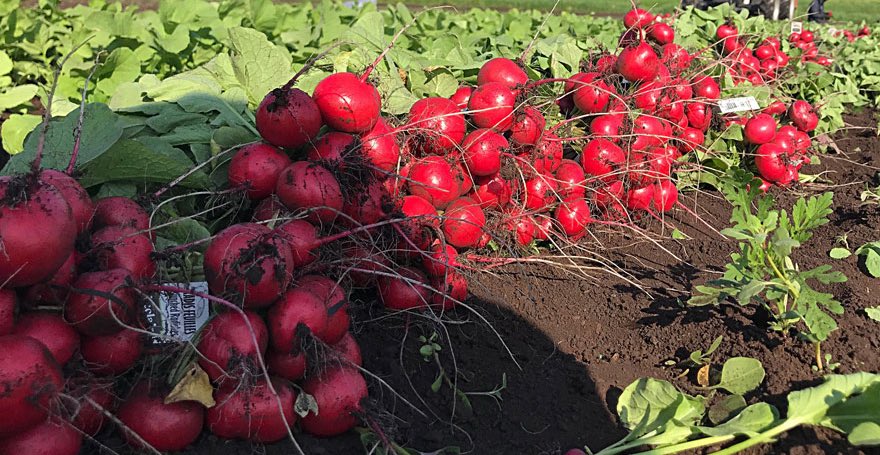
Radishes are one of the fastest-growing vegetables you can plant. They germinate within a few days and are ready for harvest in just 3 to 4 weeks. This makes them perfect for gardeners who want quick results.
Radishes grow best in loose, well-drained soil and require consistent watering. They thrive in full sun but can also tolerate partial shade. Since they mature quickly, they are less prone to pests and diseases, making them a low-maintenance choice.
Lettuce (Ready in 6–8 Weeks)
Lettuce is a popular leafy vegetable that grows well in small spaces and containers. It is ideal for kitchen gardens because you can harvest it gradually by picking outer leaves, allowing the plant to continue growing.
Lettuce prefers cooler temperatures and moderate sunlight. It requires regular watering to keep the leaves tender and prevent bitterness. With proper care, you can enjoy fresh salads straight from your garden within 6 to 8 weeks.
Spinach (Ready in 6–8 Weeks)
Spinach is another nutrient-rich vegetable that grows quickly and easily. It is packed with vitamins and minerals, making it a healthy addition to your meals.
Spinach grows best in well-drained soil with plenty of organic matter. It requires moderate watering and partial to full sunlight. Like lettuce, spinach allows for multiple harvests, as you can pick leaves continuously without uprooting the plant.
Bush Beans (Ready in 8–10 Weeks)
Bush beans are an excellent option for beginners because they are hardy and productive. Unlike climbing beans, bush beans do not require support structures, making them easier to manage in small spaces.
They grow well in warm conditions and require minimal care once established. Regular watering and occasional weeding are usually enough. Bush beans start producing pods within 8 to 10 weeks, and harvesting frequently encourages more production.
Tips for a successful kitchen garden
While choosing the right crops is important, proper care and management will determine the success of your kitchen garden.
Start with healthy soil. Good soil is the foundation of any productive garden. Mix compost or well-rotted manure into your soil to improve fertility and structure. This helps your plants grow faster and healthier.
Ensure adequate sunlight. Most vegetables require at least 4 to 6 hours of sunlight daily. If you are gardening in containers, place them in a sunny spot such as a balcony or near a window.
Water consistently. Vegetables need regular watering, especially during dry periods. However, avoid overwatering, as it can lead to root rot. The goal is to keep the soil moist but not waterlogged.
Control weeds and pests early. Weeds compete with your crops for nutrients and water, so remove them regularly. Also, check your plants for pests and deal with them promptly using organic methods if possible.
Use mulch. Applying mulch around your plants helps retain soil moisture, suppress weeds, and regulate soil temperature. This reduces the amount of maintenance required.
Common mistakes to avoid
Many beginners make the mistake of overplanting or choosing crops that are difficult to manage. Start small and focus on a few easy vegetables. Another common mistake is neglecting soil preparation. Poor soil leads to weak plants and low yields, regardless of how well you care for them.
Overwatering is another issue that can damage your plants. Always check the soil before watering to avoid drowning the roots.
A kitchen garden is a simple yet powerful way to improve your lifestyle, reduce food costs, and enjoy fresh, healthy vegetables. By starting with quick-growing, low-maintenance crops like radishes, lettuce, spinach and bush beans, you can achieve success even with limited experience.
With proper soil preparation, consistent watering, and basic care, your kitchen garden will thrive and provide a steady supply of fresh produce. As you gain confidence, you can expand your garden and experiment with more varieties.
The journey to self-sufficiency begins with a single step and a small garden can make a big difference.

Author: Moureen Koech
Moureen Koech is a passionate Digital Journalist, an adept Agribusiness Writer with a keen eye for news and an impactful story-teller,whose stories provide key value to Agripreneurs and stakeholders in the Agricultural sector