As the world embraces sustainable living, managing organic waste has become a top environmental priority. Every day, households generate large amounts of kitchen waste that often end up in landfills, contributing to pollution and greenhouse gas emissions. Fortunately, there’s a simple and eco-friendly solution, vermicomposting.
Vermicomposting is an efficient method of recycling organic waste using earthworms to produce nutrient-rich compost and liquid fertilizer. It is gaining popularity among gardeners, farmers, and urban households because it is cost-effective, low-maintenance, and highly beneficial to the environment.
What is Vermicomposting?
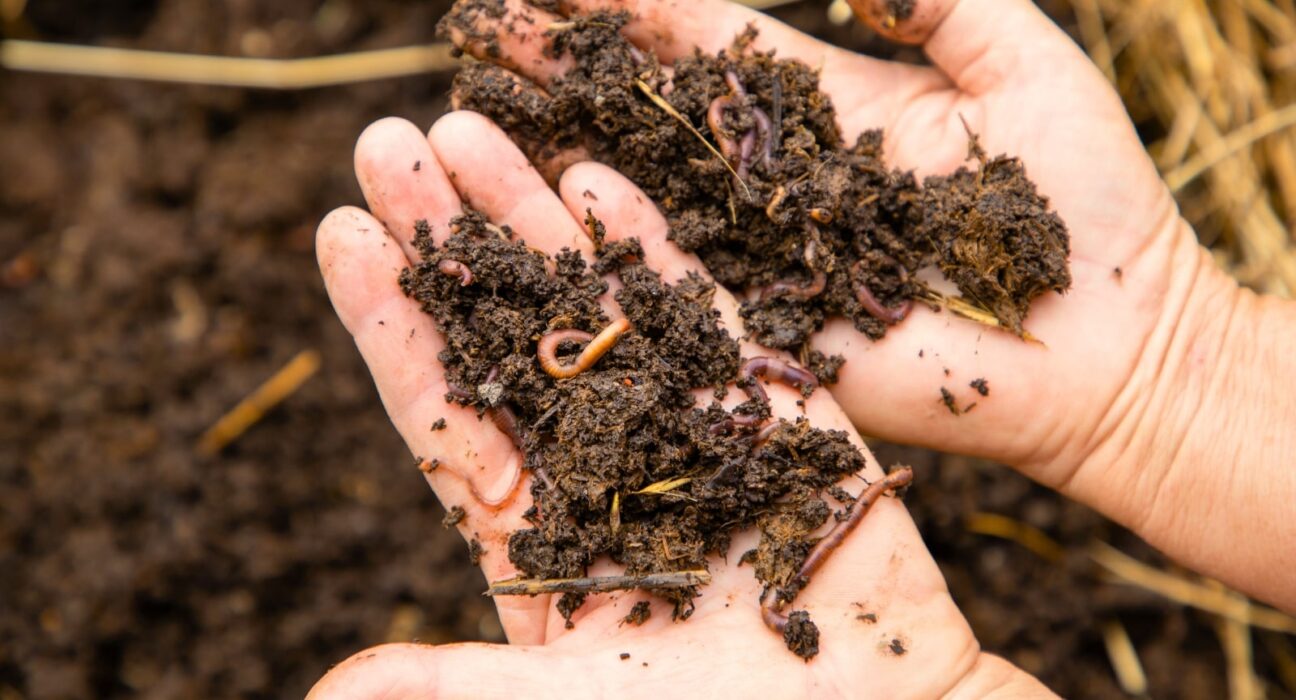
Vermicomposting is the process of using composting worms commonly known as red wigglers to break down organic materials such as fruit peels, vegetable scraps and paper. As these worms feed on the waste, they produce worm castings, a powerful natural fertilizer rich in nutrients and beneficial microorganisms.
These castings improve soil fertility, enhance plant growth, and boost overall soil health. Because of its simplicity and effectiveness, vermicomposting is widely used in home gardens, small farms, and even urban agriculture systems.
How a Vermicomposting System Works
A typical vermicomposting setup, like the multi-layer system described, is designed to maximize efficiency while keeping the process organized and clean.
1. Top Layer – Organic Waste Input
This is where you add kitchen waste such as fruit peels, vegetable scraps, and shredded paper. These materials act as food for the worms. Microorganisms begin breaking down the waste, making it easier for worms to consume and process.
2. Middle Layers – Worm Activity
The middle sections are where the real action happens. Earthworms live here and feed on partially decomposed organic matter. As they digest the waste, they convert it into nutrient-rich compost known as worm castings.
Over time, the waste gradually moves downward as it decomposes, ensuring a continuous composting cycle.
3. Bottom Layer – Finished Compost
The lowest layer collects fully processed compost. This material is dark, crumbly, and rich in nutrients. It can be added directly to soil to improve structure, increase fertility, and support healthy plant growth.
4. Liquid Fertilizer Collection
Many vermicomposting systems include a tap at the bottom to collect worm tea, a nutrient-rich liquid produced during decomposition. When diluted with water, this liquid fertilizer can be used to nourish plants and boost their growth.
Benefits of Vermicomposting
Vermicomposting offers numerous advantages for both the environment and agriculture:
- Reduces household food waste by recycling organic materials
- Produces high-quality organic fertilizer for plants
- Improves soil structure and fertility
- Enhances plant growth and yield
- Requires minimal space and maintenance
- Supports eco-friendly and sustainable farming practices
Additionally, vermicomposting helps reduce landfill waste and lowers harmful emissions, making it a practical solution for climate-conscious living.
Best Materials for Vermicomposting
To maintain a healthy worm compost system, it’s important to know what materials to include and what to avoid.
✅ Good for Worms:
- Fruit and vegetable scraps
- Coffee grounds and tea bags
- Crushed eggshells
- Shredded newspaper or cardboard
❌ Avoid Adding:
- Meat or fish
- Dairy products
- Oily or greasy foods
- Large amounts of citrus or spicy foods
These materials can attract pests, create odors or harm the worms, disrupting the composting process.
Vermicomposting and Sustainable Living
Vermicomposting is a perfect example of a circular waste system. Instead of discarding food scraps, households can transform them into valuable nutrients that enrich the soil. This reduces environmental pollution while promoting healthier plant growth.
For urban dwellers, vermicomposting offers a practical way to practice sustainability even in small spaces. For farmers, it provides an affordable alternative to chemical fertilizers, improving long-term soil health.
Vermicomposting demonstrates how simple, natural processes can create powerful solutions to modern environmental challenges. By using earthworms to break down kitchen waste, households and farmers can produce organic fertilizer, reduce waste and contribute to a healthier planet.
As awareness of sustainability continues to grow, vermicomposting is becoming an increasingly popular method for greener living. Whether you’re a beginner gardener or an experienced farmer, this eco-friendly practice is a smart step toward a more sustainable future.

Author: Moureen Koech
Moureen Koech is a passionate Digital Journalist, an adept Agribusiness Writer with a keen eye for news and an impactful story-teller,whose stories provide key value to Agripreneurs and stakeholders in the Agricultural sector