Raising chickens is one of the most rewarding ventures for backyard farmers and homesteaders. Whether you’re keeping a small flock for eggs or scaling up for business, one key factor determines your success: efficient feeding. Poor feeding systems often lead to waste, contamination and unnecessary costs. That’s where a DIY chicken feeder comes in, a simple, affordable and highly effective solution.
This guide walks you through how to create your own feeder using readily available materials, while also highlighting its benefits and practical tips for long-term use.
What makes This DIY Chicken Feeder Special?
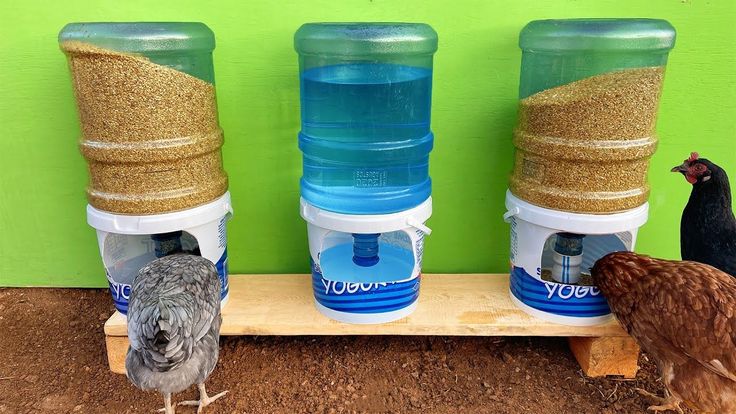
The beauty of this feeder lies in its simplicity. Made from a large plastic container such as a bottle or jug, it uses gravity to dispense feed gradually. A small opening at the bottom allows chickens to access food without spilling or contaminating the rest.
Unlike traditional open feeders, this design keeps feed enclosed, clean and accessible at all times. It’s perfect for small-scale poultry keepers looking to cut costs while improving efficiency.
Key Benefits of a DIY Chicken Feeder
1. Reduces Feed Waste
Feed wastage is one of the biggest challenges in poultry farming. Chickens tend to scratch, scatter and even soil their food when it’s placed in open containers.
This DIY feeder solves that problem by:
- Dispensing feed slowly
- Keeping food contained inside the container
- Reducing spillage on the ground
Less waste means more savings and better flock management.
Budget friendly solution
You don’t need to spend a lot of money on commercial feeders. With this DIY approach, you can use:
- Recycled plastic containers (5–20 liters)
- Simple household tools
- Minimal additional materials
This makes it an excellent option for beginners or farmers working with a tight budget.
3. Saves Time and Effort
With a larger storage capacity, the feeder holds enough food to last longer than traditional methods. This means:
- Fewer refills
- Less daily maintenance
- More time to focus on other farm activities
For busy poultry keepers, this is a game-changer.
4. Keeps Feed Clean and Safe
Clean feed is essential for healthy chickens. This feeder helps protect food from:
- Dirt and dust
- Rain and moisture
- Droppings and contamination
By elevating and enclosing the feed, you significantly reduce the risk of disease in your flock.
How the DIY Chicken Feeder Works
The feeder operates using a simple gravity system:
1. Feed is stored inside the container
2. Chickens eat from the bottom opening
3. As feed is consumed, more automatically falls down
This ensures a constant supply of food without exposing the entire stock to the environment. It’s efficient, reliable and requires minimal supervision
How to Make Your Own DIY Chicken Feeder
Materials Needed:
- Large plastic bottle or container (5–20 liters)
- Cutter or drill
- Small plastic cup, bowl, or PVC pipe (feeding outlet)
- Marker
Step-by-Step Instructions
1. Clean the Container
Wash the container thoroughly to remove any chemicals or residues. Let it dry completely before use.
2. Mark and Cut the Opening
Using a marker, outline a hole near the bottom of the container. Cut it carefully using a cutter or drill. The hole should be large enough for feed to flow freely.
3. Attach the Feeding Outlet
Insert a small plastic cup or pipe into the hole. This acts as a tray where chickens can access the feed.
4. Fill with Feed and Seal
Pour your chicken feed into the container and close the top tightly to prevent moisture from entering.
5. Place in the Coop or Yard
Position the feeder in a convenient location, preferably slightly elevated to reduce dirt contamination.
Tips for Better Results
To get the most out of your DIY feeder, keep these practical tips in mind:
- Choose a dry, shaded location to prevent feed from getting wet
- Clean the feeder regularly to avoid mold and bacteria buildup
- Adjust the opening size depending on the type of feed used
- Secure the feeder to prevent tipping or movement
- Monitor feed flow to ensure it doesn’t clog
These small adjustments can greatly improve performance and durability.
Why every chicken keeper should try this
This DIY chicken feeder is more than just a cost-saving hack, it’s a smarter way to manage your flock. It reduces waste, improves hygiene and simplifies your daily routine. Whether you’re raising a few chickens in your backyard or running a small poultry business, this feeder offers practical benefits without the need for expensive equipment.
Innovation in farming doesn’t always require complex systems or big investments. Sometimes, the simplest ideas make the biggest difference. With just a plastic container and a few tools, you can build a reliable feeding system that rivals store-bought options.
If you’re looking to improve efficiency, save money and keep your chickens healthier, this DIY chicken feeder is definitely worth trying.

Author: Moureen Koech
Moureen Koech is a passionate Digital Journalist, an adept Agribusiness Writer with a keen eye for news and an impactful story-teller,whose stories provide key value to Agripreneurs and stakeholders in the Agricultural sector