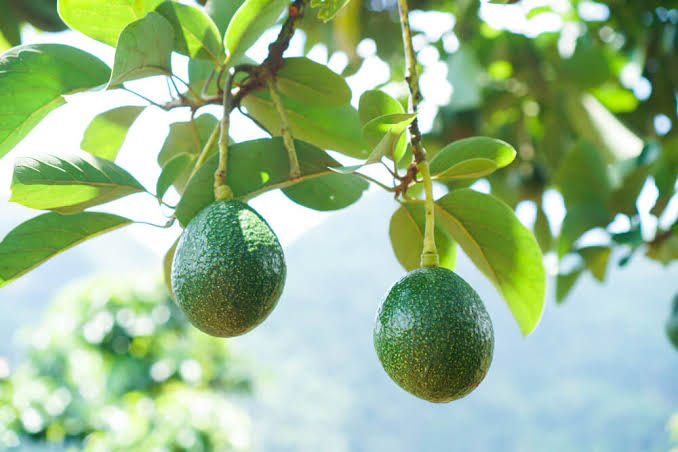
Avocado farming has become one of the most profitable agricultural ventures, thanks to increasing local consumption and strong export demand. Healthy avocado trees are capable of producing large harvests of high-quality fruits that fetch premium prices in the market. However, one of the most frustrating challenges many farmers face is seeing young fruits fall from the tree long before they reach maturity.
While some fruit drop is a natural part of the avocado tree’s growth cycle, excessive fruit loss is often a sign that something is wrong. If left unaddressed, premature fruit drop can significantly reduce yields and farm profits. Understanding the causes of this problem is the first step toward protecting your harvest.
Natural fruit drop is normal
Before becoming alarmed, it is important to understand that avocado trees naturally shed some fruits. After flowering and fruit set, the tree produces more fruits than it can support. To balance its energy needs, it naturally drops some young fruits, allowing the remaining ones to develop properly.
This natural thinning usually occurs a few weeks after fruit set and should not cause concern unless the fruit drop becomes excessive or continues throughout the growing season.
Poor pollination reduces fruit retention
Successful pollination plays a major role in avocado fruit development. If flowers are poorly pollinated, many young fruits fail to develop fully and eventually fall off the tree.
Pollination may be affected by unfavorable weather conditions such as heavy rain, strong winds, or unusually cold temperatures during flowering. A lack of pollinating insects such as bees can also reduce fruit set.
Farmers can improve pollination by encouraging bee activity, avoiding unnecessary pesticide spraying during flowering and planting compatible avocado varieties where appropriate to enhance cross-pollination.
Water stress causes fruits to drop
Inconsistent watering is one of the leading causes of premature fruit drop in avocado orchards. Both drought stress and excessive watering can interfere with the tree’s ability to support developing fruits.
When avocado trees experience prolonged dry conditions, they conserve water by shedding some fruits to reduce their demand for moisture. On the other hand, waterlogged soils can damage roots, reducing nutrient uptake and weakening the tree.
Proper irrigation is especially important during flowering, fruit set and fruit development. Farmers should maintain consistent soil moisture while ensuring the orchard has good drainage to prevent waterlogging.
Nutrient deficiencies affect fruit development
Avocado trees require a balanced supply of nutrients to sustain healthy growth and fruit development. Deficiencies in essential nutrients such as nitrogen, potassium, boron, calcium and zinc can contribute to poor fruit retention.
Potassium supports fruit growth and quality, while boron is particularly important for flowering, pollination and fruit set. Calcium strengthens plant tissues, helping developing fruits remain attached to the tree.
Regular soil and leaf analysis can help identify nutrient deficiencies. Applying fertilizers based on these recommendations ensures trees receive the nutrients they need at each growth stage.
Pest infestations damage developing fruits
Several pests attack avocado trees and may contribute to premature fruit drop. Fruit flies, thrips, mites, scales, and other sap-sucking insects can weaken developing fruits or damage flowers, reducing the tree’s ability to retain them.
Some pests also create wounds that allow diseases to enter the fruit, leading to further losses.
Regular orchard scouting enables farmers to detect pest problems early before they become widespread. Integrated Pest Management (IPM), which combines cultural, biological, and chemical control methods where necessary, offers an effective and environmentally responsible approach to pest control.
Diseases can trigger fruit drop
Diseases affecting avocado trees can also lead to fruit loss before maturity. Root diseases reduce the tree’s ability to absorb water and nutrients, while fungal infections affecting flowers and fruits may cause developing fruits to abort.
Poor orchard sanitation often increases disease pressure. Fallen fruits, infected branches, and plant debris can serve as sources of infection if left in the orchard.
Pruning to improve air circulation, removing diseased plant material, using clean pruning tools and following recommended disease management practices can help reduce infections.
Excessive tree stress
Avocado trees experiencing stress are more likely to shed fruits. Stress may result from root damage, improper pruning, transplant shock, extreme temperatures, hail or prolonged exposure to strong winds.
Young trees are especially vulnerable because they have not yet developed extensive root systems capable of supporting heavy fruit loads under stressful conditions.
Maintaining healthy trees through proper irrigation, mulching, balanced fertilization and protection from physical damage helps reduce stress and improve fruit retention.
Poor pruning practices
Neglected avocado trees often develop dense canopies that restrict sunlight penetration and air circulation. Dense foliage creates favorable conditions for diseases while reducing photosynthesis in the inner branches.
Proper pruning removes dead, diseased and overcrowded branches, allowing sunlight to reach more parts of the tree. Improved airflow also helps reduce humidity and disease development.
Pruning should be done carefully and at the appropriate time to avoid causing unnecessary stress to the tree.
Overloaded trees may shed excess fruits
Sometimes an avocado tree sets more fruits than it can successfully mature. To balance its available resources, it naturally sheds part of the crop.
This is more common in healthy trees that produce abundant flowers during favorable seasons. Although fruit drop may appear alarming, it is often the tree’s natural way of ensuring the remaining fruits develop properly.
Good nutrition and consistent irrigation help trees support larger fruit loads without excessive losses.
Extreme weather conditions
Weather conditions beyond a farmer’s control can also contribute to fruit drop. Strong winds may physically knock young fruits from the tree, while heat waves increase water stress and reduce fruit retention.
Heavy rainfall during flowering can interfere with pollination and sudden temperature fluctuations may affect fruit development.
Windbreaks, proper irrigation, mulching and maintaining healthy trees improve resilience against weather-related stress.
Best practices to reduce premature avocado fruit drop
Reducing fruit loss requires a combination of good orchard management practices. Farmers should:
- Plant healthy, grafted seedlings from reputable nurseries.
- Water trees consistently, especially during flowering and fruit development.
- Apply balanced fertilizers based on soil and leaf analysis.
- Monitor orchards regularly for pests and diseases.
- Encourage pollinators such as bees.
- Prune trees to improve sunlight penetration and air circulation.
- Mulch around trees to conserve soil moisture.
- Maintain good orchard sanitation by removing diseased plant material.
- Protect trees from unnecessary stress caused by poor management practices.
If your avocados are falling before maturity, don’t assume it is simply bad luck. While some fruit drop is natural, excessive losses often point to underlying issues such as poor pollination, water stress, nutrient deficiencies, pests, diseases or improper orchard management.
By identifying the root cause early and implementing good agricultural practices, farmers can improve fruit retention, produce healthier trees and achieve higher yields. Consistent attention to irrigation, nutrition, pest management and orchard maintenance will not only reduce premature fruit drop but also increase the profitability and long-term productivity of your avocado farming enterprise.

Author: Moureen Koech
Moureen Koech is a passionate Digital Journalist, an adept Agribusiness Writer with a keen eye for news and an impactful story-teller,whose stories provide key value to Agripreneurs and stakeholders in the Agricultural sector