Tomatoes are among the most profitable horticultural crops grown by both small-scale and commercial farmers. Their high market demand, relatively short maturity period and multiple harvesting cycles make them an attractive enterprise for anyone looking to earn a steady income from farming. However, despite their potential, many farmers experience disappointing harvests and often attribute their losses to bad luck, poor weather or fate.
The reality is quite different. In most cases, tomato crops fail because of avoidable management mistakes rather than circumstances beyond a farmer’s control. Small errors made during planting and crop management can lead to disease outbreaks, pest infestations, poor fruit quality and significantly lower yields. Fortunately, these mistakes can be corrected through proper farming practices.
If you want healthier tomato plants and higher profits, here are three common mistakes you should avoid.
Wrong plant spacing leads to weak and diseased crops
One of the biggest mistakes tomato farmers make is planting seedlings too close together. The assumption is that fitting more plants into a small area will increase production. In reality, overcrowding creates competition for sunlight, nutrients, water and growing space, resulting in weaker plants and lower yields.
When tomato plants are crowded, air circulation between them becomes limited. Moisture remains trapped within the crop canopy, creating the perfect environment for fungal diseases such as early blight, late blight, and powdery mildew. Diseases spread much faster in crowded fields because leaves frequently touch each other, allowing pathogens to move from one plant to another.
Overcrowded plants also make routine farm operations such as spraying, weeding, pruning, and harvesting more difficult. Farmers may miss early signs of pest attacks because dense foliage hides damaged leaves and fruits.
Give tomatoes enough space to thrive
For most tomato varieties, maintaining a spacing of 60 centimetres by 60 centimetres provides enough room for healthy growth. However, always follow the spacing recommendations provided by the seed supplier since some varieties may require slightly different arrangements.
Proper spacing allows every plant to receive adequate sunlight, improves air movement, reduces disease pressure, and encourages stronger root development. It also makes it easier for farmers to inspect crops and carry out management practices efficiently.
Although fewer plants may appear to occupy the field, each plant becomes healthier, produces larger fruits and delivers higher overall yields.
Failing to stake tomatoes reduces fruit quality
Another common mistake is allowing tomato plants to grow along the ground without support. As tomato plants develop flowers and fruits, the weight of the branches increases, causing stems to bend and fruits to rest directly on the soil.
When fruits touch the ground, they become more susceptible to rot, insect damage, fungal infections and contamination from soil-borne pathogens. Harvesting also becomes more difficult because fruits are hidden beneath the foliage or damaged before reaching maturity.
Branches dragging on the ground receive less sunlight and poorer air circulation, further increasing the risk of disease.
Stake tomato plants early
Tomato plants should be staked while they are still young, preferably before flowering begins. Early staking prevents damage to the root system that may occur if stakes are inserted after the plants have become large.
Farmers can use wooden poles, bamboo sticks, metal stakes, or trellis systems depending on their farming scale and available resources. As the plants grow, stems should be tied gently to the stakes using soft materials that do not injure the plant.
Proper staking offers several important advantages:
- Keeps fruits clean and free from soil contamination.
- Improves air circulation around plants.
- Reduces the spread of fungal diseases.
- Makes spraying more effective.
- Simplifies pruning and harvesting.
- Produces straighter stems and better-quality fruits.
Healthy, well-supported tomato plants often produce larger harvests with fruits that attract higher market prices.
Ignoring pests and diseases can destroy an entire crop
Many farmers only begin controlling pests and diseases after visible damage has already occurred. By that stage, the infestation may have spread throughout the field, making it more difficult and expensive to control.
Tomatoes are attacked by numerous pests, including aphids, whiteflies, thrips, leaf miners, cutworms, spider mites and tomato fruit worms. These pests not only damage leaves and fruits but also transmit viral diseases that can devastate an entire crop.
Common tomato diseases such as bacterial wilt, fusarium wilt, early blight, late blight and leaf spot can spread rapidly if left unmanaged.
Waiting until plants are severely affected usually results in poor yields, lower fruit quality, and significant financial losses.
Regular farm scouting makes a big difference
Successful tomato farmers inspect their fields regularly rather than waiting for obvious symptoms to appear. Ideally, tomato farms should be scouted at least twice every week.
During each inspection, farmers should carefully examine:
- Young leaves
- Mature leaves
- Plant stems
- Flowers
- Developing fruits
- Soil around the base of plants
Look for chewing damage, discoloured leaves, insect eggs, unusual spots, wilting or signs of disease. Early detection allows farmers to take corrective action before problems spread across the farm.
Where necessary, apply recommended foliar feeds to improve plant health and use approved organic or conventional crop protection products according to label instructions. Integrated Pest Management (IPM), which combines cultural practices, biological control, and responsible pesticide use, remains one of the most effective approaches to managing tomato pests and diseases sustainably.
Good crop management determines success
Avoiding these three mistakes is only part of successful tomato farming. Farmers should also pay attention to other important management practices throughout the growing season.
Always begin with certified, disease-free seeds or healthy seedlings from reputable nurseries. Quality planting material establishes a strong foundation for healthy crop growth and better yields.
Prepare the land thoroughly by incorporating well-decomposed organic manure before transplanting. Fertile, well-drained soils encourage vigorous root development and improve nutrient uptake.
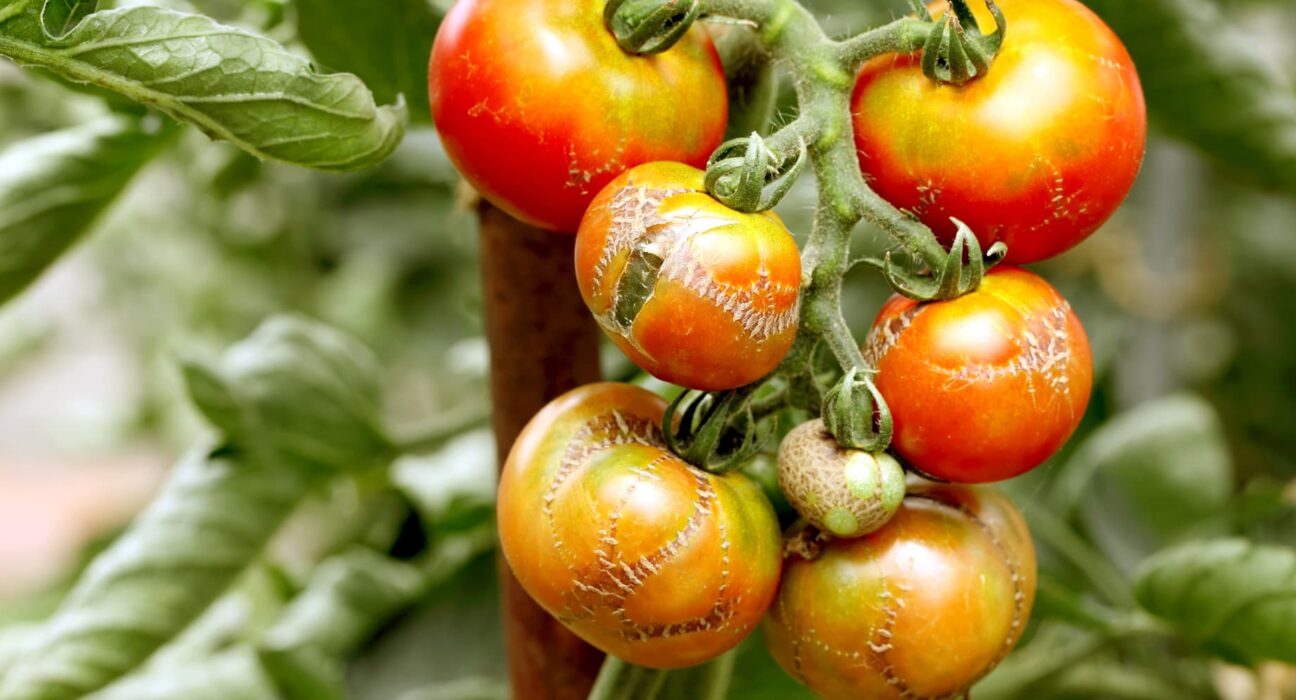
Water tomatoes consistently, particularly during flowering and fruit formation. Inconsistent watering can lead to blossom-end rot, fruit cracking, and reduced fruit size.
Fertilizer application should be based on crop requirements and, where possible, guided by soil test results. Balanced nutrition supports healthy vegetative growth, flowering and fruit development without encouraging excessive leaf production.
Weed control should also be done regularly since weeds compete with tomatoes for nutrients, moisture and sunlight while providing breeding grounds for pests.
Crop rotation helps break disease and pest cycles by preventing the continuous buildup of harmful organisms in the soil. Avoid planting tomatoes or other crops in the same family, such as potatoes, peppers, and eggplants, on the same piece of land season after season.
Tomato farming success is not determined by luck but by good management. Most poor harvests can be traced back to preventable mistakes such as improper spacing, failure to stake plants, and neglecting pest and disease monitoring.
By maintaining the recommended 60 cm × 60 cm spacing, staking plants before flowering, and scouting the farm at least twice a week, farmers can significantly reduce crop losses and improve productivity.
When combined with quality seedlings, balanced nutrition, proper irrigation, and timely pest and disease management, these simple practices can transform a struggling tomato field into a healthy, productive and profitable enterprise. Instead of blaming bad luck, focus on adopting the right farming techniques and your tomato harvest will reward you with better yields, higher-quality fruits and increased profits.

Author: Moureen Koech
Moureen Koech is a passionate Digital Journalist, an adept Agribusiness Writer with a keen eye for news and an impactful story-teller,whose stories provide key value to Agripreneurs and stakeholders in the Agricultural sector