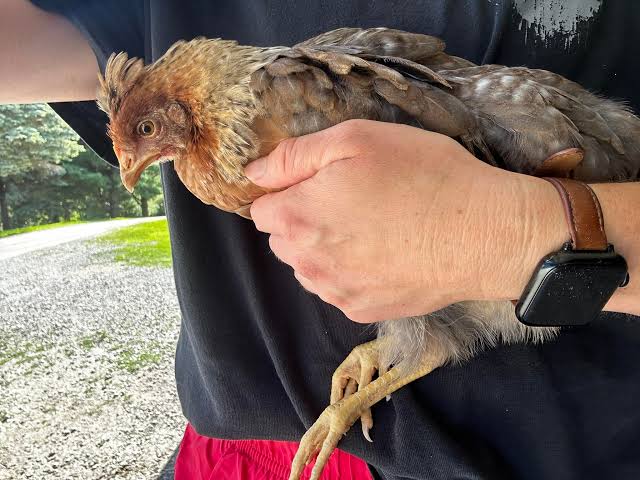
Worm infestations are a silent threat in poultry farming. Many farmers only realize there’s a problem when production drops or birds become visibly weak. By then, internal parasites may have already affected growth, egg production and overall flock health. Understanding the early warning signs can help you take action before losses become serious.
Why worms are dangerous in chicken
Internal parasites feed on nutrients meant for your birds, weakening their immune systems and slowing productivity. One of the most common conditions linked to worms is Parasitic Helminthiasis, which affects the digestive system and nutrient absorption.
If left untreated, worm infestations can spread quickly within a flock, leading to poor performance and even mortality in severe cases.
10 warning signs your chicken may have worms
1. Weight loss despite normal feeding
If your chickens are eating well but still losing weight, it’s a strong indicator of internal parasites. Worms consume nutrients before the bird’s body can absorb them, leading to poor body condition.
2. Poor growth in young birds
Chicks and growers are especially vulnerable. When infected, they fail to reach expected growth milestones, resulting in undersized and weak birds.
3. Sudden drop in egg production
A noticeable decline in egg laying is often linked to stress caused by parasites. Healthy hens should maintain consistent production, so any sudden drop should raise concern.
4. Pale comb and wattles
A healthy chicken has bright red combs and wattles. When they appear pale, it may indicate anemia caused by parasites draining nutrients and blood.
5. Diarrhea or dirty vent
Digestive upset is a common symptom of worm infestation. You may notice loose droppings or fecal matter sticking around the vent area.
6. Weakness and lethargy
Infected birds often appear dull, inactive, and less responsive. They may spend more time resting and show reduced interest in feeding or movement.
7. Poor feather condition
Worms interfere with nutrient absorption, leading to dull, rough or ruffled feathers. Healthy birds typically have smooth and shiny plumage.
8. Increased appetite with poor body condition
This is a classic sign of parasites. Birds may eat more than usual but still fail to gain weight because nutrients are being stolen internally.
9. Visible worms in droppings
In some cases, you may actually see worms in the feces. One common culprit is Ascaridia galli, a large intestinal worm that occasionally becomes visible in droppings.
10. Continued decline despite good feeding
If your flock is receiving quality feed but continues to lose condition, parasites are likely the hidden problem. This is often mistaken for poor nutrition, delaying proper treatment.
What causes worm infestations in chickens
Worm problems don’t occur randomly, they are usually the result of poor management conditions that allow parasites to thrive and spread.
Dirty and Wet Litter
Moist and dirty bedding creates the perfect environment for parasite eggs to survive and multiply.
Overcrowding
Keeping too many birds in a small space increases the chances of contamination and rapid spread of infections.
Poor Sanitation
Failure to clean feeders, drinkers, and housing regularly exposes birds to harmful organisms.
Contaminated Soil
Outdoor chickens often pick worms from the ground while feeding. Infected soil becomes a major source of reinfection.
Continuous exposure to droppings
Chickens peck at the ground, and if droppings are not properly managed, they end up ingesting parasite eggs repeatedly.
Lack of rotation in free-range systems
When birds are kept in the same run for long periods, parasites accumulate in the soil. Rotational grazing helps break this cycle.
Ingestion of infective eggs
Most worm infections begin when chickens consume infective stages such as Helminth Eggs found in contaminated environments.
Prevention and control measures
Preventing worm infestations is far easier and more cost-effective than treating them after they spread.
Regular deworming
Establish a deworming schedule based on your farming system. Consult a veterinarian for the most effective products and timing.
Maintain clean housing
Keep the coop dry and clean at all times. Replace litter regularly and ensure proper ventilation.
Practice good hygiene
Clean feeders and drinkers frequently to prevent contamination.
Avoid Overcrowding
Give your birds enough space to reduce stress and minimize the spread of infections.
Rotate free-range areas
Allow land to rest between grazing periods to reduce parasite buildup in the soil.
Provide balanced nutrition
Healthy birds are more resistant to infections. Ensure your flock gets a well-balanced diet to support immunity.
Worm infestations can significantly affect poultry productivity if not detected early. Many farmers mistakenly blame poor feed when the real issue is parasites interfering with nutrient absorption.
By watching for these signs and maintaining proper hygiene and management practices, you can protect your flock and ensure consistent growth and egg production. A proactive approach, combining regular deworming, sanitation and good feeding, will keep your chickens healthy and your poultry business profitable.

Author: Moureen Koech
Moureen Koech is a passionate Digital Journalist, an adept Agribusiness Writer with a keen eye for news and an impactful story-teller,whose stories provide key value to Agripreneurs and stakeholders in the Agricultural sector