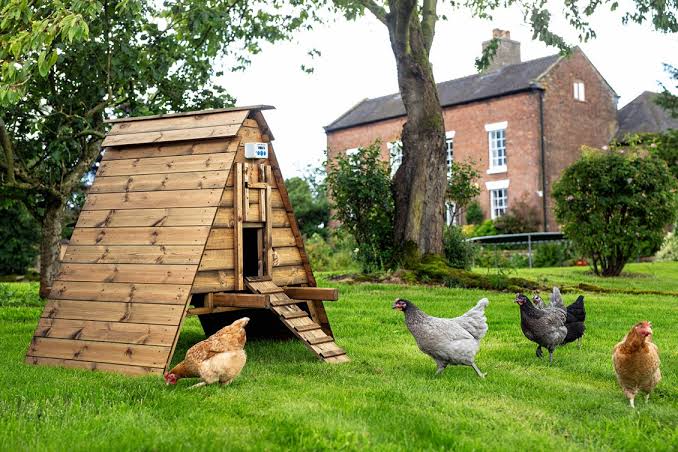
Proper poultry housing is one of the most important factors in successful poultry farming. A good poultry house protects birds from harsh weather, predators, diseases and stress while providing a comfortable environment for growth and production. Whether a farmer is keeping broilers, layers or indigenous chickens, proper housing greatly affects bird health, feed efficiency, egg production and overall profitability.
Many poultry farmers focus heavily on feeds and vaccines but ignore housing management, which often leads to poor performance and losses. Poorly designed poultry houses can cause overcrowding, poor ventilation, disease outbreaks, and high mortality rates. Understanding the right poultry housing practices helps farmers create healthy conditions that support maximum productivity.
Importance of proper poultry housing
A poultry house serves as shelter and protection for birds. Chickens are highly sensitive to environmental conditions such as temperature, humidity and airflow. Poor housing exposes birds to stress, infections and injuries.
Good poultry housing improves bird comfort, reduces disease risks and makes farm management easier. Proper housing also helps farmers maintain hygiene, control predators and manage feeding and watering systems efficiently.
Birds raised in suitable housing conditions grow faster, produce more eggs, and experience lower mortality rates. Proper housing is therefore essential for profitable poultry farming.
Choosing the right location
Selecting the right location for a poultry house is very important. The site should be well-drained to prevent waterlogging during rainy seasons. Wet conditions encourage disease outbreaks and create unhealthy environments for birds.
A poultry house should be built in an area with good airflow and enough sunlight. Proper sunlight helps keep the house dry and reduces the growth of harmful microorganisms.
Farmers should avoid noisy or crowded areas because excessive noise stresses birds and affects production. The poultry house should also be located away from other livestock to reduce disease transmission.
Accessibility to water and roads is another important factor. Easy access simplifies feeding, cleaning and transportation of poultry products.
Proper ventilation in poultry houses
Ventilation is one of the most important aspects of poultry housing. Chickens require fresh air to remain healthy and productive. Poor ventilation causes heat buildup, excessive moisture and accumulation of harmful gases such as ammonia.
Ammonia from droppings irritates the birds’ respiratory system and increases the risk of diseases. High humidity also encourages the growth of bacteria and fungi.
A well-ventilated poultry house allows fresh air circulation while protecting birds from strong winds and cold temperatures. Farmers should install enough windows, vents or side openings to improve airflow.
Proper ventilation is especially important in intensive poultry systems where many birds are kept together.
Maintain proper space requirements
Overcrowding is one of the most common mistakes poultry farmers make. When too many birds are kept in a small space, stress levels increase, leading to aggression, disease spread and poor growth.
Broilers, layers, and indigenous chickens all require adequate floor space depending on their age and production stage. Proper spacing allows birds to move freely, access feed and water comfortably and rest without disturbance.
Overcrowded houses also become hotter and poorly ventilated, increasing mortality risks. Farmers should follow recommended stocking densities to maintain healthy and productive flocks.
Use quality roofing and building materials
The type of materials used in constructing the poultry house affects durability and bird comfort. Roofing materials should protect birds from rain, excessive heat and cold weather.
Iron sheets are commonly used, but they can become extremely hot during sunny periods if not insulated properly. Some farmers use grass-thatched roofing in hot regions because it helps maintain cooler temperatures.
The walls should provide security while allowing proper ventilation. Wire mesh is often used to improve airflow and keep predators away.
Strong building materials increase the lifespan of the poultry house and reduce maintenance costs.
Proper lighting management
Lighting plays a major role in poultry production, especially in layers. Chickens require enough light to stimulate feeding and egg production.
Natural lighting is important during the day, while artificial lighting may be used during early mornings or evenings to extend light hours. Layers generally require about sixteen hours of light daily for maximum egg production.
Very bright lighting may increase stress and cannibalism among birds. Farmers should maintain moderate lighting intensity to create a calm environment.
Consistent lighting schedules help maintain stable production and reduce stress.
Keep the poultry house clean
Cleanliness is essential in poultry housing management. Dirty poultry houses encourage disease outbreaks, bad odors and parasite infestations.
Farmers should clean feeders, drinkers, and floors regularly to maintain hygiene. Wet litter should be replaced immediately because damp conditions encourage bacterial growth and ammonia production.
Disinfection should be done between production cycles to eliminate harmful pathogens. Visitors should also be controlled to reduce the risk of introducing diseases into the poultry house.
Maintaining proper hygiene improves bird health and reduces treatment costs.
Provide proper feeding and watering systems
Good housing should include efficient feeding and watering systems. Feeders and drinkers should be placed at appropriate heights and distributed evenly throughout the house.
Birds should access clean water and feed at all times without overcrowding around feeding points. Dirty water can spread diseases quickly among poultry flocks.
Automatic watering and feeding systems may improve efficiency in large-scale operations. However, small-scale farmers can still achieve good results using properly managed manual systems.
Protect birds from predators
Predators such as dogs, snakes, hawks, rats and wild animals can cause major losses in poultry farming. A secure poultry house protects birds from attacks and reduces stress.
Farmers should use strong wire mesh and secure doors to prevent predators from entering the poultry house. Holes and gaps should be sealed properly.
Night security is especially important for free-range and indigenous chicken systems where predators are more common.
Maintain proper temperature
Temperature management is very important, especially for chicks and broilers. Young chicks require warm conditions during the brooding period because they cannot regulate body temperature properly.
Cold temperatures can cause stress, poor feeding and death among chicks. Excessive heat also affects feed intake and growth rates.
Farmers should use brooders, curtains, or heaters to maintain suitable temperatures for young birds. Older birds also require protection from extreme weather conditions.
Proper poultry housing is essential for healthy and productive poultry farming. Good housing protects birds from diseases, predators, harsh weather and stress while improving growth and egg production.
Farmers should focus on proper ventilation, hygiene, lighting, space management and temperature control when designing poultry houses. Choosing the right location and using quality building materials also contribute to successful poultry production.
With proper poultry housing and good management practices, farmers can reduce losses, improve productivity and increase profits from poultry farming.

Author: Moureen Koech
Moureen Koech is a passionate Digital Journalist, an adept Agribusiness Writer with a keen eye for news and an impactful story-teller,whose stories provide key value to Agripreneurs and stakeholders in the Agricultural sector