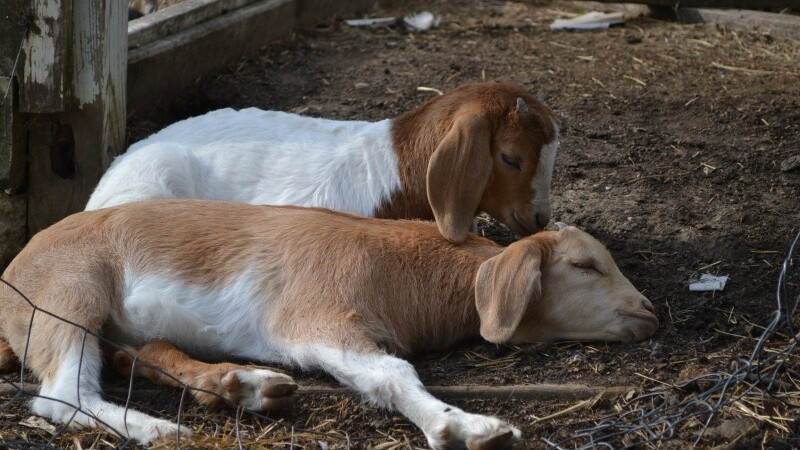
Goat farming is one of the most profitable livestock businesses in Kenya and many parts of Africa. Goats are popular because they are hardy animals, reproduce quickly, and can survive in harsh environments where other livestock struggle. Farmers keep goats for meat, milk, skins and breeding purposes. However, diseases remain one of the biggest challenges affecting goat production and profitability.
Goat diseases can lead to poor growth, low milk production, infertility, weight loss, and even death if not controlled early. Disease outbreaks also increase treatment costs and reduce farm income. Understanding common goat diseases and how to prevent them is important for every goat farmer who wants to maintain a healthy and productive herd.
Importance of disease prevention in goats
Disease prevention is one of the most important aspects of successful goat farming. Preventing diseases is cheaper and more effective than treating sick animals. Healthy goats grow faster, reproduce better, and produce higher-quality milk and meat.
Good disease control also helps reduce the spread of infections within the herd and to neighboring farms. Farmers who maintain healthy goats experience lower mortality rates and improved profits.
Prevention involves proper feeding, vaccination, hygiene, deworming, and regular monitoring of animal health. Farmers should always observe their goats closely for signs of illness such as loss of appetite, coughing, diarrhea, weakness or abnormal behavior.
Pneumonia in Goats
Pneumonia is one of the most common and dangerous diseases affecting goats. It is caused by bacteria, viruses, poor ventilation, cold weather, or sudden weather changes. Young kids are especially vulnerable to pneumonia.
Common signs include coughing, nasal discharge, difficulty breathing, fever, and weakness. Affected goats may stop eating and lose weight quickly.
Farmers can prevent pneumonia by providing proper housing with good ventilation and dry bedding. Goats should be protected from rain, cold winds, and overcrowding. Proper nutrition also helps strengthen the immune system and reduce disease risk.
Sick goats should be isolated immediately and treated by a veterinarian to prevent the infection from spreading.
Internal Parasites and Worm Infestation
Worm infestation is one of the biggest problems in goat farming. Internal parasites reduce nutrient absorption, weaken goats, and slow growth rates. Heavy worm infestations can even cause death, especially in young goats.
Signs of worm infestation include diarrhea, weight loss, rough hair coat, weakness, bottle jaw, and pale eyes caused by anemia. Goats grazing on contaminated pastures are at higher risk of infection.
Regular deworming is essential for controlling internal parasites. Farmers should also practice rotational grazing to reduce pasture contamination. Keeping goat houses clean and avoiding overcrowding further helps prevent worm infestations.
Proper feeding improves the goats’ resistance against parasites and supports faster recovery after treatment.
Foot Rot
Foot rot is a painful bacterial infection that affects the hooves of goats. The disease is common in wet and muddy conditions where bacteria thrive easily.
Affected goats may limp, refuse to walk, or spend most of their time lying down. The hooves may produce a foul smell and appear swollen or damaged.
Farmers can prevent foot rot by keeping goat houses dry and clean. Hooves should be trimmed regularly to maintain proper foot health. Wet and muddy grazing areas should be avoided whenever possible.
Early treatment is important because severe foot rot can spread quickly and affect the entire herd.
Mastitis in Dairy Goats
Mastitis is an infection of the udder commonly affecting dairy goats. The disease reduces milk production and affects milk quality. It is often caused by poor milking hygiene, injuries, or bacterial infections.
Signs of mastitis include swollen udders, pain during milking, abnormal milk, fever, and reduced appetite. In severe cases, the udder may become hard and damaged permanently.
Farmers should maintain proper milking hygiene by washing hands and cleaning udders before and after milking. Milking equipment should also be cleaned thoroughly to reduce bacterial contamination.
Infected goats should receive prompt treatment to prevent permanent udder damage and milk losses.
Peste des Petits Ruminants (PPR)
PPR, also known as goat plague, is a highly contagious viral disease affecting goats and sheep. It spreads quickly and can cause high mortality if not controlled.
Common signs include fever, diarrhea, nasal discharge, mouth sores, coughing, and weakness. Infected goats may stop eating and become severely dehydrated.
Vaccination is the most effective way to prevent PPR. Farmers should also isolate sick animals and avoid mixing healthy goats with infected herds.
Good biosecurity measures such as controlling farm visitors and disinfecting equipment help reduce the spread of the disease.
Contagious Caprine Pleuropneumonia (CCPP)
CCPP is a serious respiratory disease that affects goats, especially in dry and pastoral areas. It spreads through direct contact between infected animals.
Symptoms include coughing, difficulty breathing, fever, and nasal discharge. Infected goats may die suddenly if treatment is delayed.
Vaccination helps reduce the risk of CCPP outbreaks. Farmers should also avoid overcrowding and maintain good ventilation inside goat houses.
Quick isolation of sick goats is important to prevent disease transmission to healthy animals.
External Parasites
External parasites such as ticks, fleas, mites, and lice affect goat health and productivity. These parasites irritate the skin, cause wounds, and spread diseases.
Signs include scratching, hair loss, skin irritation, wounds and poor growth. Heavy tick infestations can also cause anemia and weakness.
Farmers should spray or dip goats regularly using recommended acaricides to control external parasites. Goat houses should also be cleaned and disinfected frequently.
Proper pasture management and regular inspection of animals help reduce parasite infestations.
Importance of proper feeding
Good nutrition strengthens the immune system and helps goats resist diseases. Poor feeding weakens animals and increases susceptibility to infections and parasites.
Goats require balanced diets containing energy, proteins, vitamins, minerals, and clean water. Mineral supplements are especially important for healthy growth and reproduction.
Farmers should provide quality forage, browse plants, and supplementary feeds during dry seasons when pasture is limited.
Vaccination and regular health checks
Vaccination is one of the most effective methods of preventing goat diseases. Farmers should follow recommended vaccination schedules based on local disease risks.
Regular veterinary checkups help detect health problems early before they become severe. Farmers should also keep records of treatments, vaccinations, and disease outbreaks.
Healthy management practices such as quarantine for new animals, proper sanitation, and stress reduction improve overall herd health.
Goat diseases can greatly affect productivity and profitability if not controlled properly. Common diseases such as pneumonia, worm infestation, mastitis, PPR, foot rot and CCPP can cause major losses for farmers.
Successful disease prevention depends on proper feeding, vaccination, deworming, hygiene and good housing conditions. Farmers should monitor their goats regularly and seek veterinary assistance whenever signs of illness appear.
With proper management and preventive care, goat farmers can maintain healthy herds, improve productivity, and increase profits from goat farming.

Author: Moureen Koech
Moureen Koech is a passionate Digital Journalist, an adept Agribusiness Writer with a keen eye for news and an impactful story-teller,whose stories provide key value to Agripreneurs and stakeholders in the Agricultural sector