Green fodder is the foundation of successful dairy farming and one of the most powerful tools farmers can use to increase milk production naturally and sustainably. In modern dairy systems, relying only on dry feeds and expensive concentrates is no longer economically viable. Instead, integrating high-quality green fodder into daily feeding routines is proving to be the real secret behind higher milk yields, healthier cows and better profits.
Why green fodder matters
Green fodder refers to fresh, succulent plant material fed directly to dairy cattle. It is rich in essential nutrients such as proteins, vitamins, minerals and digestible fiber, all of which are critical for milk production. Compared to dry feeds, green fodder is more palatable and easier for cows to digest, resulting in improved nutrient absorption.
Research and field experience show that dairy cows fed adequate green fodder can produce 30–40% more milk than those fed on dry fodder alone. Additionally, green fodder significantly reduces reliance on costly commercial feeds, making dairy farming more affordable and sustainable.
A well-organized dairy farm incorporates green fodder production alongside proper housing, water systems, and feed storage facilities. This integrated approach ensures that cows receive balanced nutrition throughout the year.
The Five Key Green Fodder Crops
1. Maize (Corn Fodder)
Maize is one of the most popular fodder crops worldwide due to its high energy content and fast growth rate. It produces large quantities of biomass within a short period, making it ideal for both fresh feeding and silage production.
Silage, which is fermented maize stored in airtight conditions, retains its nutritional value for months. This ensures a steady feed supply even during dry seasons when fresh fodder is scarce. Maize silage is especially valuable for maintaining consistent milk production year-round.
2. Sorghum
Sorghum is a highly drought-tolerant crop, making it perfect for regions with limited rainfall. It thrives in semi-arid environments and continues to grow even under water stress conditions.
One of its biggest advantages is its ability to regrow after harvesting, allowing farmers to obtain multiple cuts in a single season. Sorghum provides a good balance of energy and fiber, which supports digestion and overall cow health.
3. Napier Grass (Elephant Grass)
Napier grass is often referred to as the backbone of dairy farming in Africa. It is a high-yielding perennial grass that grows rapidly, reaching heights of up to 3–4 meters.
Farmers can harvest Napier grass every 6–8 weeks, ensuring a continuous supply of fresh fodder. It is rich in protein and digestible fiber, both of which are essential for boosting milk production. When properly managed, Napier grass can sustain a dairy herd throughout the year.
4. Hydroponic Grass
Hydroponic fodder is an innovative feeding solution that involves growing crops without soil. Seeds such as barley or maize are sprouted in trays using water and nutrients, producing lush green fodder within just 7 days.
This type of fodder is packed with enzymes, vitamins and highly digestible nutrients. Hydroponic systems are especially useful in areas with limited land or water, and they can dramatically improve milk quality and animal health.
5. Legume Fodder (Lucerne, Cowpeas, Lablab)
Leguminous fodder crops are essential for providing protein in dairy diets. Crops like lucerne (alfalfa), cowpeas and lablab contain 18–22% crude protein making them vital for high milk production, reproduction, and calf growth.
When combined with grasses like Napier or maize, legumes create a balanced diet that meets all nutritional requirements of dairy cows.
The Complete Farm Infrastructure
A successful green fodder system goes beyond just planting crops. It involves creating an integrated farm setup that supports efficient feeding and resource management. Key components include:
- Fodder fields surrounding the dairy unit for easy access
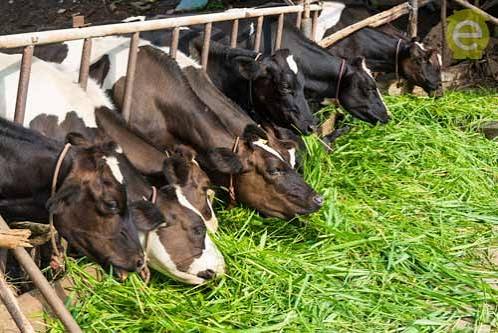
- Feed troughs where cows consume fresh fodder
- Silage storage silos to preserve excess fodder
- Water reservoirs for irrigation and livestock use
- Grazing paddocks for controlled feeding and exercise
This type of system ensures that feed is always available, reduces waste, and improves overall farm efficiency.
Feeding recommendations for maximum milk production
To achieve optimal results, dairy cows should receive a balanced daily ration that includes:
- 30–50 kg of fresh green fodder (Napier, maize or sorghum)
- 2–4 kg of legume fodder for protein supplementation
- 3–5 kg of dairy concentrates to meet energy demands
- 50–80 litres of clean water daily
Consistency in feeding is key. Sudden changes in diet can reduce milk production and affect cow health.
Economic benefits of green fodder systems
Investing in green fodder production offers significant financial advantages for dairy farmers:
- Reduces feed costs by 40–60% compared to purchasing commercial feeds
- Ensures a reliable year-round supply of nutritious feed
- Improves milk yield, quality, and butterfat content
- Minimizes health issues caused by poor nutrition
- Enhances overall farm profitability and sustainability
By growing fodder on the farm, farmers gain control over feed quality while reducing dependency on external suppliers.
The message is simple yet powerful: a well-fed dairy cow is a productive dairy cow. Green fodder is not just an optional addition to dairy feeding, it is the backbone of efficient and profitable milk production.
Farmers who invest in high-quality fodder crops, proper storage systems, and balanced feeding practices will consistently outperform those who rely on traditional feeding methods. Whether it’s maize silage, Napier grass or hydroponic fodder, the right combination can transform your dairy farm into a high-yield, sustainable enterprise.
Start growing your own green fodder today, and watch your cows reward you with healthier lives and increased milk production.

Author: Moureen Koech
Moureen Koech is a passionate Digital Journalist, an adept Agribusiness Writer with a keen eye for news and an impactful story-teller,whose stories provide key value to Agripreneurs and stakeholders in the Agricultural sector