
A new chapter has begun for small-scale tea farmers in Kericho County following the formal separation of Toror Tea Factory from Tegat Tea Factory, in a long-awaited reform driven by growers’ demands for improved governance, efficiency, and accountability.
The agitation for autonomy, which has lasted more than five years, was fueled by allegations of mismanagement, corruption, and the supply of low-quality green leaf under the previous management structure.
Presiding over the historic event, Principal Secretary in the State Department of Agriculture Kiprono Rono said the transition marks a major milestone in empowering farmers through decentralised management.
“Today marks a historic milestone as Toror Tea Factory transitions into an independent entity following formal separation from Tegat Tea Factory. This shift towards autonomy is designed to place management and ownership directly at the hands of local small-scale tea growers,” Rono said.
He added that decentralisation will allow the factory to make localized decisions that reflect shareholders’ needs while ensuring value generated at the farm level remains within the community.
Toror Tea Factory, previously a satellite of Tegat Tea Factory, has been managed under its parent factory for years. Other factories that have undergone similar separations include Olenguruone, Chelal, Tebesonik, and Litein.
Rono further announced that the government will inject Sh76 million into the factory to support infrastructure upgrades and value addition. He clarified that the funds will be issued as a grant, not a loan.

“We do not want to receive feedback in future that the allocation, which is a government grant, has been recovered from farmers as a loan,” he said.
During the event held at Toror Tea Factory grounds, where a certificate formalising the separation was issued, Rono also criticised warehousing charges imposed within the tea sector, terming them excessive.
He singled out warehousing fees linked to the Kenya Tea Development Agency, saying they were unreasonably high and comparable to private sector charges despite farmers being the original owners of the facilities.
He further proposed reforms including the direct transportation of packaged tea from factories to the auction to reduce storage costs, as well as payment reforms that would allow factories to be paid in dollars to improve farmers’ returns.
Toror Tea Factory Board Chairman Japhet Chepkwony welcomed the separation, thanking the government for responding to farmers’ long-standing demands.
He urged farmers to prioritise high-quality green leaf delivery to improve competitiveness at the market.
Chepkwony noted that the factory has been struggling with high volumes of green leaf and called for additional funding to expand machinery, particularly systems supporting continuous withering.
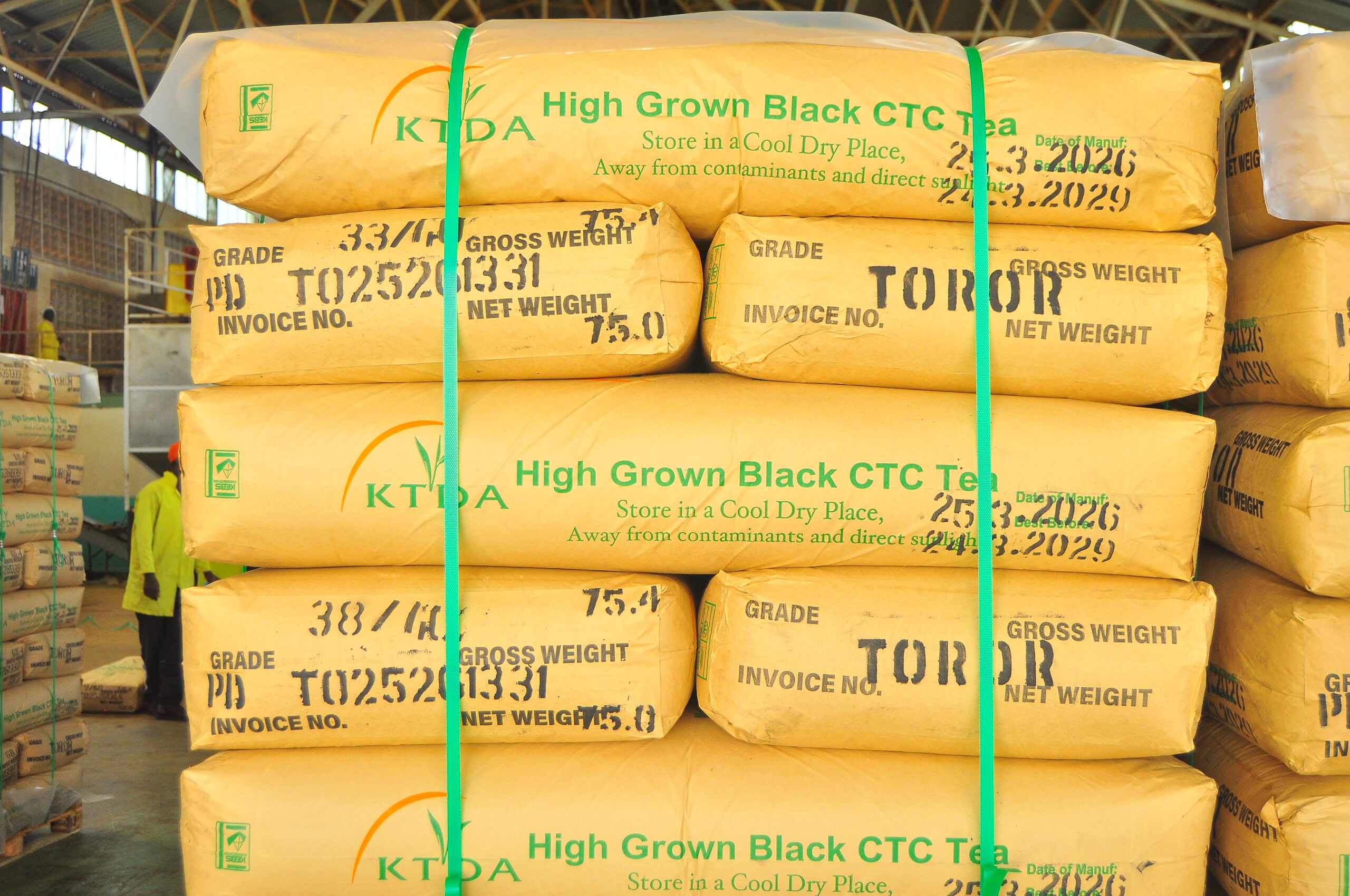
He also expressed appreciation to farmers for supplying quality leaf, noting that Toror tea had performed well at the Mombasa auction.
The Chief Executive Officer of the Tea Board of Kenya Willy Mutai urged farmers to maintain high production standards, saying quality remains key to better auction prices.
Mutai revealed that 96 per cent of Toror tea stock held in Mombasa had been successfully sold, attributing the strong market performance to improved quality.
Local leaders led by Kericho MCA Paul Chirchir, who has been at the forefront of the push for separation, welcomed the move and urged farmers to maintain quality standards to maximize earnings.
Other Members of the County Assembly present, including Philip Kirui (Kipchimchim Ward), Martin Cheruiyot (Kapkugerwet), and Dr. Eric Bett (Kipchebor), called on the factory management to address alleged malpractices involving leaf clerks, drivers, and staff accused of tampering with weighing machines at buying centres, saying such issues continue to frustrate farmers.
By Correspondent

Author: Sacco Trend