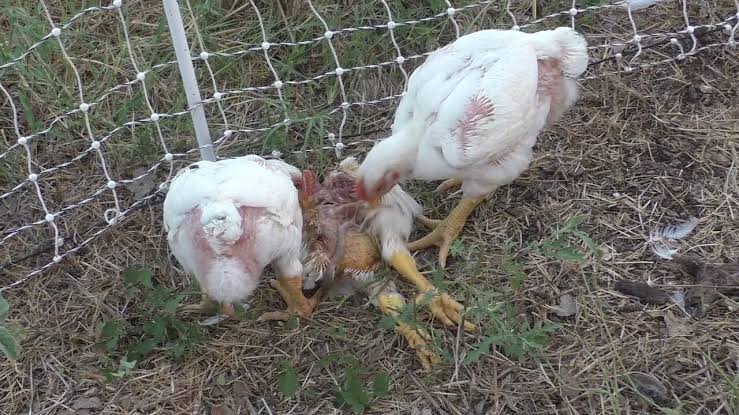
Cannibalism in chicken is one of the most frustrating problems poultry farmers face. It occurs when birds peck and injure each other, sometimes causing severe wounds or death. Cannibalism can spread quickly within a flock if not controlled early, leading to stress, poor growth, reduced egg production and major financial losses.
This behavior is common in both layers and broilers and can affect birds of all ages. Chickens may peck at feathers, toes, vents, combs or wounds on other birds. Once blood appears, other birds are attracted to the injured area, making the problem worse. Understanding the causes of cannibalism and how to prevent it is essential for successful poultry farming.
Causes of cannibalism in chicken
Cannibalism is usually caused by stress and poor management practices. Overcrowding is one of the biggest causes because birds become uncomfortable when there is not enough space. Crowded poultry houses increase competition for food and water, leading to aggressive behavior.
Poor nutrition can also trigger cannibalism. Chickens lacking enough protein, minerals, vitamins or salt may start pecking each other in search of missing nutrients. Birds require balanced feeds to maintain healthy growth and behavior.
Excessive light intensity is another common cause. Very bright lights make birds more active and aggressive, increasing pecking behavior. Poor ventilation and high temperatures can also stress birds and contribute to aggression within the flock.
Boredom and lack of activity may encourage chickens to peck each other. Birds naturally enjoy scratching and searching for food. When confined without stimulation, they may redirect their energy toward harmful behaviors.
Avoid overcrowding in the poultry house
Providing enough space for chickens is one of the most effective ways to prevent cannibalism. Overcrowded birds become stressed, aggressive, and competitive. Farmers should follow the recommended stocking density based on the type and age of birds.
Broilers and layers require adequate floor space to move comfortably, feed properly, and rest without disturbance. Proper spacing also improves ventilation and reduces heat buildup inside the poultry house.
Farmers should ensure there are enough feeders and drinkers so that all birds can access food and water without fighting. Competition around feeding areas often increases pecking and aggression.
Provide balanced nutrition
Proper feeding plays a major role in controlling cannibalism. Chickens require balanced feeds containing adequate protein, energy, vitamin and minerals. Deficiencies in nutrients such as protein, calcium, phosphorus and sodium can increase aggressive behavior.
Layer feeds should contain enough calcium to support eggshell formation and prevent birds from pecking eggs or vents. Protein deficiency is especially dangerous because birds may start feather pecking to compensate for the missing nutrients.
Clean drinking water should always be available because dehydration can increase stress and aggression among birds. Farmers should use high-quality commercial feeds or properly formulated homemade rations.
Control lighting in the poultry house
Lighting management is important in preventing cannibalism. Extremely bright lights can make chickens overly active and aggressive. Farmers should use moderate lighting intensity, especially in layer houses.
Red or dim lighting can help calm birds and reduce pecking behavior. Sudden changes in lighting schedules should also be avoided because they can stress the flock.
For young chicks, proper light management is especially important because early stress may encourage pecking habits that continue as the birds grow older.
Maintain proper ventilation and temperature
Poor ventilation and high temperatures create stressful conditions inside poultry houses. Heat stress causes discomfort and irritability, increasing aggressive behavior among chickens.
Farmers should ensure proper airflow to maintain comfortable temperatures and reduce harmful gases such as ammonia. Poultry houses should have enough ventilation openings and should not become too hot during the day.
During hot seasons, farmers can reduce heat stress by providing cool water, improving airflow and avoiding overcrowding.
Isolate injured or aggressive birds
Birds with wounds or bleeding should be separated immediately from the flock. Chickens are naturally attracted to red colors and blood, making injured birds easy targets for pecking.
Aggressive birds that repeatedly attack others should also be isolated to prevent the behavior from spreading throughout the flock. Early intervention is important because cannibalism can quickly become a habit among chickens.
Treating wounds with antiseptics and using anti-peck sprays can help discourage further attacks on injured birds.
Reduce boredom among birds
Chickens are active animals that enjoy scratching, pecking, and exploring. Bored birds are more likely to develop harmful behaviors such as feather pecking and cannibalism.
Farmers can reduce boredom by providing environmental enrichment inside the poultry house. Hanging vegetables, adding scratching materials, or scattering grains encourages natural behavior and keeps birds occupied.
Free-range systems also help reduce cannibalism because birds have more space and opportunities to forage naturally.
Practice proper debeaking
Debeaking involves trimming a small portion of the bird’s beak to reduce injuries caused by pecking. This practice is common in commercial poultry farming, especially in layer production.
When done correctly by trained personnel, debeaking helps control cannibalism without affecting feeding ability. However, poor debeaking methods can stress birds and reduce productivity.
Farmers should only use proper equipment and follow recommended procedures to avoid harming the birds unnecessarily.
Maintain good poultry house hygiene
Dirty poultry houses increase stress and disease outbreaks, both of which can contribute to cannibalism. Farmers should clean poultry houses regularly and replace wet litter to maintain dry and comfortable conditions.
Good hygiene reduces disease pressure and improves bird comfort. Healthy birds are generally less aggressive and more productive.
Proper biosecurity measures also help prevent infections that weaken birds and increase abnormal behaviors.
Cannibalism in chicken is a serious problem that can cause major losses in poultry farming if not controlled early. The behavior is mainly caused by stress, overcrowding, poor nutrition, excessive lighting, boredom and poor management practices.
Farmers can prevent cannibalism by providing balanced feeds, adequate space, proper lighting, good ventilation, and clean housing conditions. Early identification of aggressive or injured birds is also important in controlling the spread of pecking behavior.
With proper poultry management and close monitoring, farmers can maintain healthy, calm and productive flocks while reducing losses caused by cannibalism.

Author: Moureen Koech
Moureen Koech is a passionate Digital Journalist, an adept Agribusiness Writer with a keen eye for news and an impactful story-teller,whose stories provide key value to Agripreneurs and stakeholders in the Agricultural sector