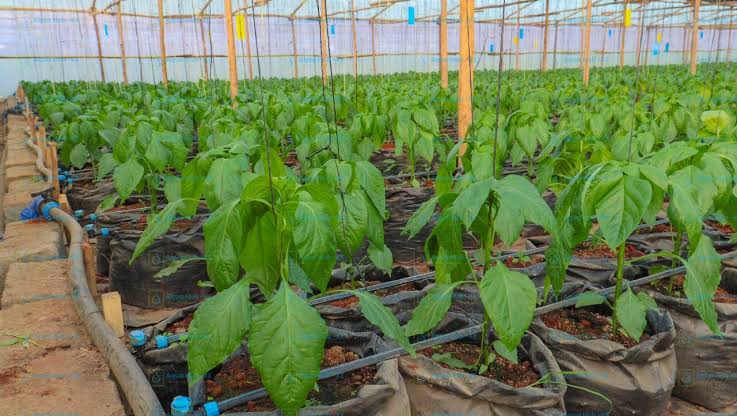
Greenhouse farming has become one of the most profitable agricultural practices in Kenya and many parts of Africa. Farmers are increasingly adopting greenhouse technology to improve crop yields, protect plants from harsh weather conditions and produce vegetables throughout the year. Crops such as tomatoes, capsicum, cucumbers and strawberries perform very well under greenhouse conditions when managed properly.
Despite the many advantages of greenhouse farming, many farmers still experience losses due to poor management practices and avoidable mistakes. Greenhouse farming requires proper planning, technical knowledge, and consistent monitoring. Even small errors can lead to poor yields, disease outbreaks and reduced profits. Understanding the common mistakes farmers make in greenhouse farming is important for anyone planning to invest in this agribusiness.
Poor site selection
One of the biggest mistakes farmers make is constructing greenhouses in unsuitable locations. The site of a greenhouse greatly affects crop performance and overall productivity. Some farmers build greenhouses in areas with poor drainage, causing waterlogging during rainy seasons.
A greenhouse should be located on slightly sloping land with good drainage to prevent flooding. Areas with strong winds can also damage greenhouse structures and affect plant growth. Farmers should choose sites with enough sunlight because crops inside greenhouses require adequate light for healthy development.
Accessibility is another important factor. Greenhouses located far from roads or water sources increase production costs and make farm management difficult.
Lack of Soil Testing
Many greenhouse farmers plant crops without testing the soil first. This is a major mistake because soil fertility and pH directly affect plant growth and yields. Greenhouse farming involves intensive production, meaning crops absorb large amounts of nutrients from the soil.
Without soil testing, farmers may apply the wrong fertilizers or fail to correct soil problems such as acidity and nutrient deficiencies. Poor soil management can result in stunted growth, blossom end rot, yellowing leaves and low yields.
Soil testing helps farmers determine the nutrient status and choose the correct fertilizers and soil amendments. It also helps identify soil-borne diseases that may affect crops inside the greenhouse.
Poor greenhouse ventilation
Ventilation is extremely important in greenhouse farming, yet many farmers ignore it. Poor ventilation causes excessive heat and humidity inside the greenhouse, creating favorable conditions for pests and diseases.
High temperatures can stress crops, reduce flowering and lower fruit quality. Excess humidity encourages fungal diseases such as powdery mildew and blight, especially in tomato farming.
Farmers should ensure their greenhouses have proper ventilation systems to allow fresh air circulation and temperature regulation. Opening side curtains and roof vents during hot periods helps maintain favorable growing conditions.
Overwatering or underwatering crops
Water management is another major challenge in greenhouse farming. Some farmers overwater crops, while others fail to provide sufficient moisture. Both practices negatively affect plant growth and productivity.
Overwatering causes root diseases, nutrient leaching, and poor oxygen supply in the soil. Waterlogged conditions also encourage fungal infections and root rot. On the other hand, underwatering stresses crops and reduces fruit development.
Drip irrigation is highly recommended in greenhouse farming because it delivers water directly to the plant roots while minimizing wastage. Farmers should monitor soil moisture regularly and irrigate according to crop needs and weather conditions.
Poor pest and disease nanagement
Many farmers assume greenhouse crops are completely protected from pests and diseases. However, greenhouse environments can quickly become breeding grounds for pests if proper control measures are not followed.
Common greenhouse pests include whiteflies, aphids, spider mites and thrips. Diseases such as bacterial wilt, early blight, and powdery mildew can spread rapidly inside enclosed structures.
Failure to monitor crops regularly allows problems to worsen before action is taken. Farmers should inspect plants frequently and use integrated pest management practices to control infestations early. Maintaining cleanliness inside and around the greenhouse also helps reduce disease risks.
Wrong crop selection
Some farmers choose crops that are not suitable for greenhouse farming or their local market. This often leads to poor yields and financial losses.
Before starting greenhouse farming, farmers should conduct proper market research to identify high-demand crops. Tomatoes, cucumbers, capsicum and strawberries are among the most profitable greenhouse crops due to their consistent market demand.
Climate conditions and farming experience should also guide crop selection. Farmers should avoid growing crops they do not understand well because greenhouse farming requires specialized management skills.
Poor fertilizer application
Improper fertilizer use is another common mistake in greenhouse farming. Some farmers apply excessive fertilizers hoping to increase yields quickly, while others use insufficient nutrients.
Excess fertilizer can damage plant roots, increase soil salinity, and reduce crop quality. Nutrient imbalances may also lead to weak plants and poor fruit formation.
Farmers should follow fertilizer recommendations based on soil test results and crop requirements. Fertigation, where fertilizers are applied through irrigation systems, is highly effective in greenhouse farming because it ensures uniform nutrient distribution.
Lack of record keeping
Many greenhouse farmers fail to keep proper farm records. This makes it difficult to monitor production costs, identify problems and evaluate profitability.
Good record keeping helps farmers track expenses, pesticide applications, fertilizer use, irrigation schedules, and crop performance. It also helps in making informed management decisions and planning future production cycles.
Farmers who keep accurate records can easily identify which practices improve productivity and profitability over time.
Poor greenhouse maintenance
A greenhouse structure requires regular maintenance to remain effective. Some farmers neglect repairs, allowing torn polythene covers, blocked irrigation systems and damaged nets to persist.
Damaged greenhouse covers reduce temperature control and expose crops to pests and harsh weather conditions. Blocked drip lines affect water distribution and may cause uneven crop growth.
Regular inspection and maintenance help extend the lifespan of the greenhouse and improve crop performance.
Greenhouse farming can be highly profitable when managed properly, but many farmers make costly mistakes that reduce productivity and profits. Poor site selection, lack of soil testing, improper watering, poor ventilation, and weak pest control are among the most common challenges affecting greenhouse farmers.
Successful greenhouse farming requires proper planning, regular monitoring, and good management practices. Farmers should invest in quality greenhouse structures, conduct soil testing, maintain proper hygiene, and seek professional advice when necessary. By avoiding these common mistakes, farmers can achieve high yields, better crop quality and long-term success in greenhouse farming.

Author: Moureen Koech
Moureen Koech is a passionate Digital Journalist, an adept Agribusiness Writer with a keen eye for news and an impactful story-teller,whose stories provide key value to Agripreneurs and stakeholders in the Agricultural sector