Avocado farming has become one of the fastest-growing horticultural enterprises due to the increasing local and international demand for the fruit. As consumers become more health-conscious and export markets continue to expand, many farmers are investing in avocado production as a profitable long-term venture. However, the success of an avocado orchard begins long before the first tree is planted. It starts with selecting high-quality seedlings.
Quality avocado seedlings establish quickly, develop strong root systems, resist pests and diseases more effectively, and produce fruits earlier than poor-quality seedlings. They also have a longer productive lifespan and deliver more consistent yields over many years. On the other hand, weak or poorly propagated seedlings often result in slow growth, delayed fruiting, low yields and higher maintenance costs.
Whether you are establishing a small orchard or a large commercial plantation, understanding the key requirements for producing quality avocado seedlings is essential for achieving maximum productivity and profitability.
Start with healthy mother trees
The quality of an avocado seedling largely depends on the mother tree from which the planting material is obtained. Mother trees should be healthy, vigorous, and free from pests, diseases and nutrient deficiencies. They should also have a proven history of producing high yields of quality fruits season after season.
Farmers should select mother trees with desirable characteristics such as large fruit size, excellent taste, high oil content, uniform fruit shape and good market acceptance. Trees that have shown resistance or tolerance to common diseases are also preferred because they provide stronger genetic material for propagation.
Using planting material from unhealthy or poorly performing trees increases the chances of producing seedlings with inferior growth and reduced productivity. Therefore, sourcing seeds and scions from reputable nurseries or certified mother blocks is highly recommended.
Use good-quality seeds and scions
Healthy rootstocks and scions are essential for producing vigorous avocado seedlings. Seeds used for rootstocks should come from mature, disease-free fruits harvested from healthy trees. They should be fully developed, fresh and free from physical damage.
The scion, which is the upper part grafted onto the rootstock, should be collected from high-performing avocado varieties with proven commercial value. It should come from healthy branches that are neither too young nor too old.
Poor-quality seeds may germinate poorly or produce weak root systems, while unhealthy scions reduce grafting success and can introduce diseases into the nursery. Using high-quality planting materials increases the likelihood of successful grafting and healthy seedling development.
Prepare fertile, well-drained nursery soil
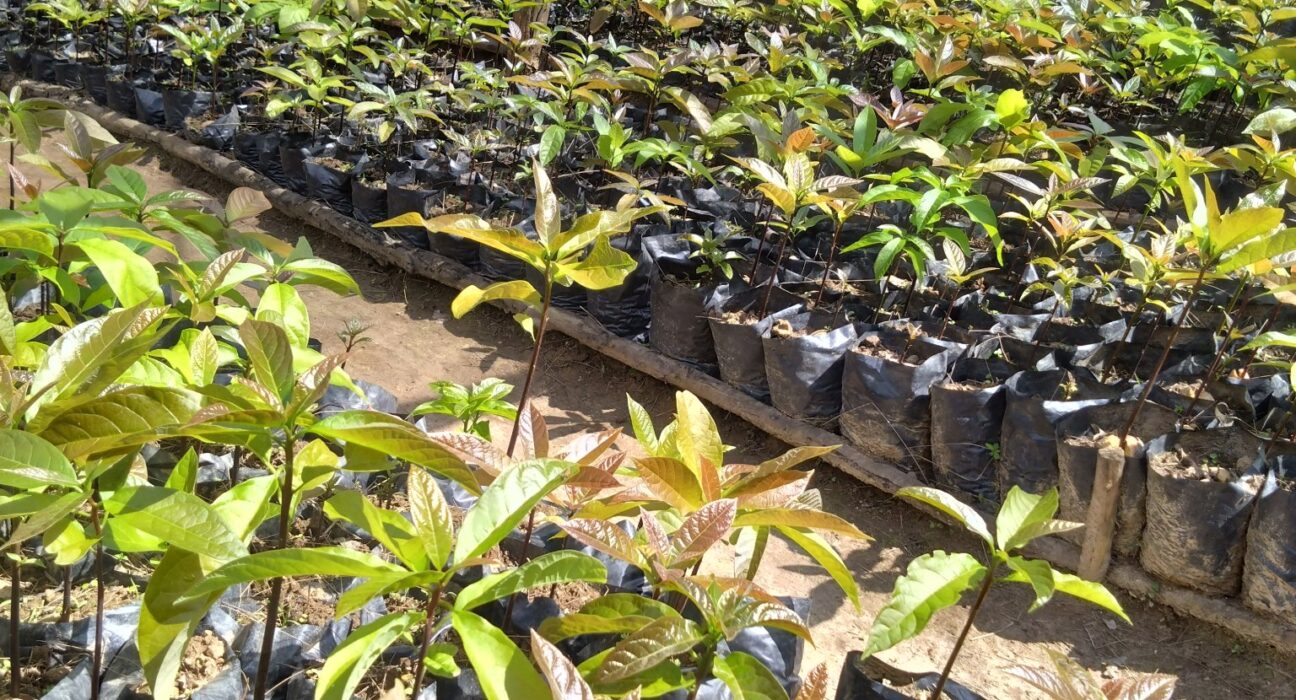
The nursery growing medium plays a major role in seedling health. Avocado seedlings require loose, fertile and well-drained soil that allows roots to expand freely while providing adequate moisture and nutrients.
A good nursery mixture commonly consists of fertile topsoil, clean river sand, and well-decomposed compost or farmyard manure. This combination improves soil structure, enhances drainage, promotes aeration and supplies essential nutrients needed for early growth.
Waterlogged nursery soil should be avoided because avocado roots are highly sensitive to excess moisture. Poor drainage increases the risk of root rot and other fungal diseases that can kill young seedlings before they are transplanted.
Regular soil testing can help identify nutrient deficiencies and guide appropriate fertilizer application where necessary.
Practice proper watering
Water management is one of the most important aspects of nursery management. Young avocado seedlings require consistent moisture for healthy root development and vigorous growth. However, both underwatering and overwatering can negatively affect seedling performance.
The nursery soil should remain evenly moist but not saturated. Excess water deprives roots of oxygen, encourages fungal infections and may cause root rot. On the other hand, prolonged dry conditions stunt growth, weaken seedlings and reduce survival rates after transplanting.
Watering should preferably be done during the early morning or late afternoon to reduce evaporation losses. During hot weather, seedlings may require more frequent watering, while irrigation should be reduced during rainy periods to prevent waterlogging.
Implement effective pest and disease management
Healthy seedlings are the foundation of productive avocado orchards. Unfortunately, nurseries can become breeding grounds for pests and diseases if proper management practices are neglected.
Common nursery pests include aphids, scales, mealybugs, mites, and whiteflies, while fungal diseases such as root rot and damping-off can severely damage young seedlings.
Regular inspection allows farmers to identify problems early before they spread throughout the nursery. Maintaining good sanitation by removing weeds, fallen leaves, and diseased seedlings helps reduce pest and disease pressure.
Integrated Pest Management (IPM), which combines good cultural practices, biological control and responsible use of recommended pesticides when necessary, offers an effective and environmentally friendly approach to protecting avocado seedlings.
Grafting for improved production and uniformity
Grafting is one of the most important techniques in modern avocado propagation. It involves joining a healthy rootstock with a selected scion from a superior avocado variety. Once the graft union heals successfully, the two parts grow together as one plant.
Grafted avocado seedlings offer numerous advantages over trees grown directly from seed. They begin producing fruit much earlier, often within three to four years, compared to seed-grown trees that may take seven to ten years or even longer to bear fruit.
Grafted trees also produce fruits that are uniform in size, quality, and maturity. Because the scion comes from a known parent tree, farmers can predict the characteristics of the future harvest, including fruit quality, yield potential, and market suitability.
Commercial avocado growers prefer grafted seedlings because they provide more reliable performance and higher economic returns.
Harden seedlings before transplanting
Before seedlings are planted in the field, they should undergo a hardening process to prepare them for outdoor conditions. Hardening involves gradually exposing seedlings to increased sunlight, wind, and reduced watering over several weeks.
This process strengthens the plants and reduces transplant shock after planting. Hardened seedlings establish more quickly in the field and are better able to withstand changing environmental conditions.
Seedlings should only be transplanted when they have developed a strong root system, healthy leaves and a well-healed graft union.
Buy seedlings from reputable nurseries
Purchasing seedlings from certified and reputable nurseries is one of the safest ways to ensure quality. Professional nurseries follow recommended propagation procedures, maintain healthy mother plants, and implement proper pest and disease management.
When buying avocado seedlings, inspect them carefully. Healthy seedlings should have a straight stem, well-developed leaves, a strong graft union, and no visible signs of pests, diseases or physical damage.
Avoid buying seedlings with yellow leaves, broken stems, poor root development or weak graft unions, as these may perform poorly after transplanting.
Quality avocado seedlings are the cornerstone of a successful avocado farming enterprise. Healthy mother trees, superior seeds and scions, fertile and well-drained nursery soil, proper watering, effective pest and disease control and successful grafting all contribute to producing vigorous seedlings capable of delivering high yields for many years.
Farmers who invest in quality planting materials enjoy earlier fruit production, stronger tree growth, better disease resistance and more uniform harvests. While establishing an avocado orchard requires patience and careful planning, starting with high-quality seedlings significantly increases the chances of long-term success and profitability. By following these best practices, growers can lay a strong foundation for a productive orchard that continues to generate income for decades.

Author: Moureen Koech
Moureen Koech is a passionate Digital Journalist, an adept Agribusiness Writer with a keen eye for news and an impactful story-teller,whose stories provide key value to Agripreneurs and stakeholders in the Agricultural sector