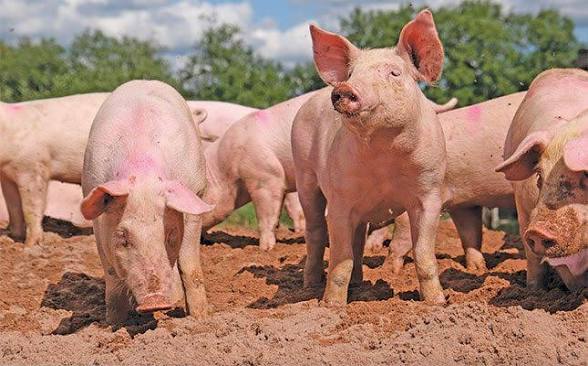
Pig farming continues to gain popularity as one of the most profitable livestock enterprises for both small-scale and commercial farmers. With rising demand for pork, improved production technologies and expanding market opportunities, investing in pig farming in 2026 could offer farmers a reliable source of income and long-term business growth.
Unlike some livestock enterprises that require years before generating returns, pigs grow quickly, reproduce rapidly and can be raised successfully on relatively small pieces of land. However, profitability depends on proper management, quality breeding stock, good nutrition, disease prevention and effective marketing. Farmers who approach pig farming as a business rather than a side activity are more likely to achieve sustainable success.
Growing demand for pork
One of the biggest reasons to invest in pig farming is the increasing demand for pork. Population growth, urbanization, rising household incomes and changing dietary preferences have contributed to greater consumption of pork in many African countries. Hotels, restaurants, supermarkets, butcheries, and meat processors continue to seek a consistent supply of quality pork products.
This growing demand presents an excellent opportunity for farmers to establish profitable pig enterprises. By producing healthy, high-quality pigs that meet market standards, farmers can build long-term relationships with reliable buyers and enjoy a steady source of income.
Fast reproduction increases herd growth
Pigs are among the most productive livestock species when it comes to reproduction. A healthy sow can produce between eight and fourteen piglets in a single litter, depending on factors such as breed, nutrition, health and management.
With proper care, many sows can farrow twice a year, allowing farmers to expand their herds rapidly. This high reproductive capacity enables pig farmers to increase production within a relatively short period while generating income from both breeding stock and market pigs.
Good breeding management, proper nutrition during pregnancy, and quality veterinary care are essential for maximizing litter size and piglet survival.
Quick returns on investment
Compared to cattle and several other livestock enterprises, pigs offer relatively fast financial returns. Under good management, piglets can reach market weight within five to seven months, depending on the breed, feeding program, and production system.
This shorter production cycle improves cash flow and allows farmers to recover their investment more quickly. Faster turnover also enables farmers to reinvest profits into expanding their operations or improving farm infrastructure.
For entrepreneurs seeking a livestock enterprise with relatively quick income generation, pig farming remains an attractive option.
Excellent feed conversion efficiency
One of the major advantages of pig farming is the animal’s ability to convert feed into body weight efficiently. Pigs require less feed to produce one kilogram of meat compared to many other livestock species.
Efficient feed conversion reduces production costs and improves profitability, provided farmers supply balanced diets that meet the nutritional requirements of pigs at different growth stages.
Using quality commercial feeds or properly formulated rations containing adequate energy, protein, vitamins, and minerals supports rapid growth and healthy development. Clean drinking water should also be available at all times to maximize feed utilization.
Suitable for small land holdings
Unlike cattle production, pig farming does not require extensive grazing land. Farmers can operate profitable pig enterprises on relatively small pieces of land by constructing well-designed pig houses that provide adequate space, ventilation, drainage and sanitation.
This makes pig farming particularly suitable for peri-urban and urban farmers with limited land resources. Proper housing protects pigs from harsh weather, minimizes disease risks, and improves overall productivity.
Well-planned housing also simplifies feeding, cleaning, waste management, and health monitoring.
Multiple sources of farm income
Pig farming provides several opportunities for income generation beyond selling finished pigs for slaughter. Farmers can diversify their earnings through various enterprises within the same production system.
Income can be generated by selling weaned piglets to other farmers, breeding boars and replacement gilts, producing pork for local markets, supplying manure for crop farming, and producing biogas from pig waste.
Diversification reduces financial risk because farmers are not dependent on a single income source. It also increases the overall profitability of the farming enterprise.
Strong integration with crop farming
Pig farming complements crop production exceptionally well. Pig manure is rich in organic nutrients that improve soil fertility, increase organic matter, and enhance soil structure. Applying well-composted pig manure reduces dependence on expensive chemical fertilizers while supporting sustainable agricultural production.
In addition, pig waste can be used in biogas systems to produce renewable energy for cooking, heating, or electricity generation. The remaining slurry from biogas production serves as an excellent organic fertilizer for crops.
Integrating crop and livestock production creates a circular farming system that improves resource efficiency and reduces production costs.
Expanding agribusiness opportunities
The continued growth of the pig industry has created numerous business opportunities beyond pig production itself. Entrepreneurs can invest in feed manufacturing, breeding services, veterinary services, artificial insemination, slaughter facilities, meat processing, transport and pork marketing.
Value addition through bacon, sausages, ham, smoked pork and packaged meat products allows farmers and agribusinesses to increase profits while meeting changing consumer preferences.
As the pig industry expands, supporting businesses continue to create employment and stimulate rural economic development.
Disease prevention is essential
Although pig farming offers significant opportunities, disease outbreaks remain one of the biggest challenges facing producers. Diseases such as African Swine Fever (ASF), swine erysipelas and parasitic infections can cause devastating financial losses if proper biosecurity measures are not followed.
Farmers should restrict unnecessary visitors, disinfect equipment regularly, quarantine newly purchased pigs, control rodents, maintain clean housing and consult veterinarians whenever disease symptoms appear.
Since there is currently no widely available commercial vaccine for African Swine Fever, strict biosecurity remains the most effective method of preventing outbreaks.
Good management determines success
Successful pig farming requires careful planning and disciplined management. Farmers should invest in quality breeding stock, provide balanced nutrition, maintain proper housing, ensure access to clean water, implement vaccination and deworming programs where appropriate and keep accurate production and financial records.
Record keeping helps farmers monitor breeding performance, growth rates, feed costs, health treatments, and profitability. These records support better decision-making and improve long-term business performance.
Before expanding production, farmers should also identify reliable markets to ensure pigs can be sold at profitable prices.
Pig farming remains one of the most promising agribusiness opportunities in 2026 because of its high reproductive potential, rapid growth, efficient feed conversion, multiple income streams and growing demand for pork. With proper management, farmers can generate regular income while building a sustainable livestock enterprise.
However, success does not happen by chance. It requires quality breeding stock, balanced nutrition, effective disease prevention, good housing, proper record keeping and sound business planning. Farmers who treat pig farming as a professional business rather than a hobby are better positioned to achieve long-term profitability and contribute to the growing livestock industry.

Author: Moureen Koech
Moureen Koech is a passionate Digital Journalist, an adept Agribusiness Writer with a keen eye for news and an impactful story-teller,whose stories provide key value to Agripreneurs and stakeholders in the Agricultural sector