Meyer lemon farming is emerging as one of Kenya’s most promising high-value fruit enterprises, driven by growing consumer demand for premium citrus fruits. Unlike ordinary lemons, Meyer lemons are sweeter, less acidic, highly aromatic and have a thin edible skin, making them popular among households, restaurants, hotels, supermarkets, juice processors, and bakeries. As health-conscious consumers increasingly embrace citrus fruits rich in vitamin C, the market for quality lemons continues to expand.
For farmers seeking a long-term investment, Meyer lemon farming offers an attractive opportunity. A well-managed orchard established using quality grafted seedlings can remain productive for between 25 and 40 years, providing consistent harvests and income over several decades. This guide explores everything you need to know about Meyer lemon farming in Kenya, including suitable growing conditions, planting requirements, yields, profitability, and market opportunities.
What is a Meyer Lemon?
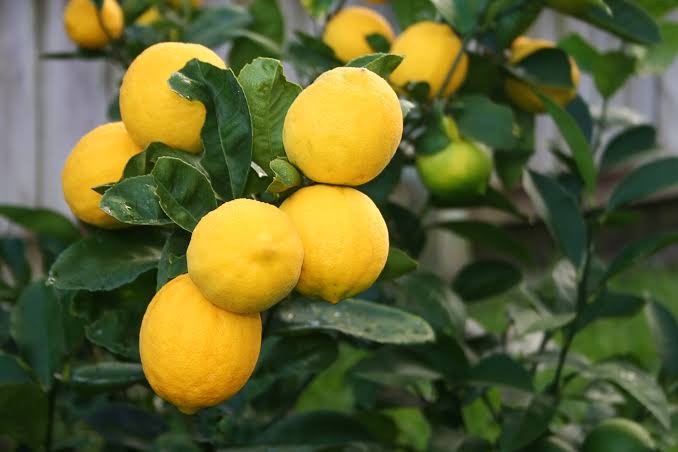
The Meyer lemon is a hybrid citrus fruit believed to be a cross between a lemon and a mandarin orange. It produces medium-sized fruits with a deep golden-yellow colour, smooth thin skin, abundant juice, and a pleasantly sweet flavour that distinguishes it from conventional lemons.
Its versatility makes it suitable for fresh consumption as well as processing into juices, desserts, sauces, baked products, beverages, marmalades and essential oils. This wide range of uses has increased its popularity among both consumers and commercial buyers.
Why meyer lemon farming is growing in Kenya
Commercial fruit farming continues to gain momentum in Kenya as farmers diversify beyond traditional crops. Meyer lemons have become increasingly attractive because they combine relatively early maturity with long-term productivity and strong market demand.
Some of the qualities that make Meyer lemons appealing include their sweeter taste, attractive appearance, high juice content, pleasant citrus aroma, excellent shelf life and suitability for both fresh markets and value addition. These characteristics enable farmers to access premium market segments that often pay better prices for superior-quality fruits.
Growing awareness of healthy eating, expanding hospitality businesses, and the increasing popularity of fresh fruit juices have also contributed to the rising demand for quality lemons across the country.
Is meyer lemon farming profitable in Kenya?
Meyer lemon farming can be highly profitable when managed properly. Success depends on establishing the orchard using certified grafted seedlings, selecting a suitable site, maintaining soil fertility, controlling pests and diseases, and ensuring adequate water supply during dry periods.
Unlike annual crops that require replanting every season, Meyer lemon trees continue producing fruits for many years after establishment. Once the orchard reaches maturity, farmers can enjoy regular harvests while spreading establishment costs over decades of production.
Profitability also depends on fruit quality, consistency of supply, access to reliable buyers, and proper post-harvest handling. Farmers who maintain healthy orchards are more likely to produce premium fruits that attract better market prices.
Suitable climate and soil requirements
Meyer lemons perform best in warm regions with adequate sunshine throughout the year. Although they tolerate different climatic conditions, they thrive where temperatures remain moderate and frost is absent.
The crop grows well in deep, fertile, well-drained loam or sandy loam soils with a soil pH ranging between 5.5 and 6.5. Poorly drained soils can lead to root diseases, reduced tree vigour, and lower yields.
Before establishing an orchard, conducting a soil test is highly recommended. Soil analysis helps determine nutrient deficiencies, organic matter levels, and pH, enabling farmers to make appropriate amendments before planting.
Best areas for meyer lemon farming in Kenya
Several regions in Kenya offer favourable conditions for commercial Meyer lemon production. These include Kiambu, Murang’a, Kirinyaga, Embu, Meru, Nyeri, Machakos, Makueni, Kitui, Nakuru, Tharaka Nithi, Kisii, and Bungoma.
Other areas with suitable climatic conditions and well-drained soils can also support successful production, provided irrigation is available during prolonged dry spells.
Orchard establishment and tree spacing
Proper orchard planning plays a significant role in long-term productivity. The recommended spacing for Meyer lemon trees is 5 metres by 5 metres. This spacing accommodates approximately 150 to 160 trees per acre, depending on the field layout.
Adequate spacing improves sunlight penetration throughout the canopy, enhances air circulation, reduces disease pressure, simplifies pruning, and allows easier movement during farm operations such as spraying, harvesting, and weeding.
Planting holes should be prepared well in advance and enriched with well-decomposed organic manure to encourage healthy root development.
Importance of using grafted seedlings
Choosing grafted Meyer lemon seedlings is one of the most important decisions when establishing a commercial orchard. Grafted trees mature faster than seed-grown trees and retain the desirable characteristics of the parent variety.
Under proper management, grafted Meyer lemon trees usually begin producing fruits within two to three years after planting. They also exhibit more uniform growth, better fruit quality, improved productivity, and consistent performance across the orchard.
Starting with healthy, disease-free planting material significantly increases the chances of establishing a productive and profitable orchard.
Expected yield and income Per Acre
Fruit production begins modestly during the early years but increases steadily as trees mature. Well-managed mature Meyer lemon orchards can produce substantial harvests each season, with yields depending on tree age, irrigation, fertilisation, pest control, pruning, and overall orchard management.
Income per acre varies according to market prices, production costs, fruit quality, and marketing channels. Farmers who consistently produce premium-grade fruits and target supermarkets, hotels, processors, exporters, and wholesale buyers often achieve better financial returns than those relying solely on local spot markets.
Value addition through juice extraction, concentrates, marmalades, essential oils, and bakery products can further increase profitability by creating additional income streams.
Pest and disease management
Maintaining healthy trees is essential for consistent production. Farmers should regularly monitor orchards for common citrus pests such as aphids, scales, citrus leaf miners, thrips and fruit flies. Integrated pest management practices, including orchard sanitation, biological control, and responsible pesticide use, help minimise losses.
Diseases such as citrus canker, greening disease, root rot and fungal infections can reduce productivity if left unmanaged. Regular scouting, proper pruning, removal of infected plant material, and good drainage are essential preventive measures.
Maintaining balanced nutrition also strengthens trees against pest and disease attacks.
Harvesting and post-harvest handling
Meyer lemons should be harvested when they develop their characteristic golden-yellow colour and reach the desired size. Careful harvesting helps prevent bruising and damage to the fruit skin, preserving quality and extending shelf life.
After harvesting, fruits should be sorted, cleaned, graded, and packed appropriately before transportation. Proper post-harvest handling reduces losses and improves marketability, especially when supplying premium retail outlets or export markets.
Market opportunities for meyer lemons
The market for Meyer lemons continues to expand across Kenya due to increasing demand from supermarkets, grocery stores, hotels, restaurants, fresh fruit vendors, juice manufacturers, bakeries and beverage companies.
Export opportunities also exist where farmers can meet the quality standards required by international buyers. Additionally, entrepreneurs can venture into value addition by producing lemon juice, concentrates, essential oils, marmalades, flavoured drinks, cleaning products and cosmetic ingredients.
Diversifying into processed products helps farmers reduce dependence on fresh fruit sales while increasing profitability.
Nutritional benefits of meyer lemons
Besides their commercial value, Meyer lemons offer numerous nutritional benefits. They are an excellent source of vitamin C, which supports normal immune function and promotes healthy skin. They also contain dietary fibre that contributes to digestive health, potassium that supports normal muscle and nerve function and antioxidants that help protect the body’s cells from oxidative stress.
Their pleasant flavour also makes them a healthy ingredient in beverages, salads, desserts and everyday cooking.
Meyer lemon farming presents an attractive investment opportunity for Kenyan farmers seeking a profitable, long-term fruit enterprise. With increasing demand from households, hospitality businesses, food processors, and export markets, the crop offers excellent commercial potential when grown under proper agronomic practices.
Success begins with selecting quality grafted seedlings, planting in suitable soils, maintaining good orchard management, and targeting reliable markets. Although establishing an orchard requires patience during the first few years, mature Meyer lemon trees can produce quality fruits for decades, providing farmers with sustainable income and contributing to the growing citrus industry in Kenya.

Author: Moureen Koech
Moureen Koech is a passionate Digital Journalist, an adept Agribusiness Writer with a keen eye for news and an impactful story-teller,whose stories provide key value to Agripreneurs and stakeholders in the Agricultural sector