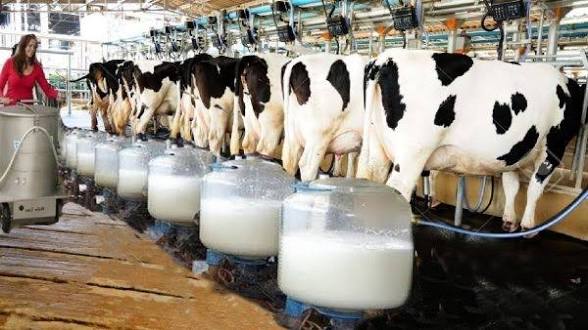
Dairy farming can be a profitable agribusiness when farmers provide their cows with the right nutrition, housing, health care and management. However, small mistakes in daily management can gradually reduce milk production and increase the cost of keeping cattle.
Some farmers focus heavily on the breed of their cows while overlooking feeding routines, clean water, milking practices and animal comfort. Even a genetically high-producing cow may fail to reach its potential when management is poor. Understanding common dairy farming mistakes can therefore help farmers improve milk yields and maintain healthier animals.
Poor feeding and unbalanced nutrition
One of the biggest mistakes in dairy farming is failing to provide cows with a balanced diet. Milk production requires significant amounts of energy, protein, minerals and other nutrients. When a cow does not receive enough nutrients, milk production can decline.
Farmers should provide quality forage such as well-managed pasture, hay or silage and supplement it with appropriate concentrates depending on the cow’s production level. The diet should also contain essential minerals and other nutrients required for good health and milk production.
Giving too much concentrate without adequate forage can also create problems. A sudden change in diet may affect digestion and increase the risk of metabolic disorders. Feed changes should therefore be introduced gradually.
Farmers should pay particular attention to cows immediately after calving because their nutritional requirements increase significantly as milk production rises.
Not providing enough clean water
Water is sometimes overlooked, yet it is essential for milk production. Milk contains a large amount of water, meaning a cow producing substantial quantities of milk needs regular access to clean drinking water.
Restricting water or providing dirty water can reduce feed intake and consequently affect milk production. Farmers should ensure that cows can access clean water throughout the day.
Water troughs should be cleaned regularly to prevent contamination with manure, feed and other debris. During hot weather, water availability becomes even more important because cows lose additional water through heat stress.
Poor milking practices
Poor milking hygiene can contribute to mastitis and other udder problems, which can reduce milk production and increase treatment costs.
Milkers should wash their hands and keep milking equipment clean. The udder and teats should be checked before milking, while appropriate teat preparation should be followed.
Farmers should also maintain a consistent milking schedule. Cows generally perform better when they are milked at regular intervals rather than at unpredictable times.
Incomplete or improper milking can also affect production. Milkers should be properly trained to handle cows calmly and follow the correct milking procedure.
Ignoring mastitis
Mastitis is one of the major problems affecting dairy cattle. It occurs when the udder becomes inflamed, commonly because of infection.
A cow suffering from mastitis may produce less milk, while the milk may show changes in appearance or quality. In some cases, the udder can become swollen, painful or unusually warm.
Farmers should regularly check the udders of their cows and pay attention to changes in milk production. Early detection can make management easier and help reduce losses.
Maintaining clean housing, good milking hygiene and proper teat care can help reduce the risk of mastitis.
Overcrowding and poor housing
A cow’s environment can have a direct effect on its productivity. Overcrowded housing prevents cows from resting comfortably and can increase competition for feed and water.
Poor ventilation can also cause problems, particularly in warm conditions. Dairy cows need a comfortable environment where they can rest, eat and drink without unnecessary stress.
Housing should provide adequate space, good drainage, sufficient ventilation and comfortable resting areas. Floors should also provide enough grip to reduce slipping and injuries.
Dirty bedding and accumulated manure can increase the risk of disease. Regular cleaning is therefore an important part of dairy farm management.
Failing to manage heat stress
Heat stress is another common reason for reduced milk production. When temperatures become high, cows may eat less and spend more time trying to cool themselves.
Signs of heat stress can include rapid breathing, excessive panting, reduced feed intake and increased water consumption. Prolonged heat stress can significantly affect productivity and reproduction.
Farmers can reduce heat stress by providing shade, adequate clean water and good ventilation. Where possible, cows should have access to well-ventilated resting areas during hot periods.
Ignoring cow health and body condition
Waiting until a cow becomes seriously sick before seeking treatment can lead to significant production losses. Farmers should regularly observe their animals for changes in appetite, behaviour, movement, body condition and milk production.
Sudden drops in milk yield can sometimes indicate illness, nutritional problems or reproductive issues. Early intervention is usually better than allowing a problem to develop.
Body condition should also be monitored. Extremely thin cows may not have enough energy reserves, while excessive body condition can create other health and reproductive challenges.
Poor record keeping
Another mistake is failing to keep proper farm records. Without records, it can be difficult to know which cows are producing well, when a cow calved, when it was treated or when breeding occurred.
Farmers should keep records of milk production, breeding, calving, health treatments and significant changes in feeding. These records can help identify cows that are underperforming and reveal management problems within the herd.
Good records also make it easier to make informed decisions about breeding, culling and feeding.
Stressing cows during handling
Cows respond negatively to rough handling, excessive noise and unnecessary stress. Stress can affect feeding behaviour and milk let-down, potentially reducing the amount of milk obtained during milking.
Farm workers should handle cows calmly and consistently. A quiet milking environment can help cows remain relaxed.
Avoiding unnecessary chasing, shouting and hitting is not only better for animal welfare but can also contribute to smoother farm operations.
Many dairy farming mistakes that reduce milk production are preventable. Poor nutrition, inadequate water, poor milking hygiene, mastitis, overcrowding, heat stress, weak health monitoring and poor record keeping can all affect the productivity of a dairy herd.
Farmers who focus on balanced feeding, clean water, comfortable housing, good hygiene and regular health monitoring can create better conditions for cows to reach their production potential.
Ultimately, increasing milk production is not only about keeping high-producing breeds. Good daily management is what allows genetically productive cows to perform at their best.

Author: Moureen Koech
Moureen Koech is a passionate Digital Journalist, an adept Agribusiness Writer with a keen eye for news and an impactful story-teller,whose stories provide key value to Agripreneurs and stakeholders in the Agricultural sector