Tomato Flow is an innovative agricultural initiative designed to reduce post-harvest losses and help farmers preserve the quality and value of their produce from farm to market.
By introducing smarter post-harvest handling methods such as improved packaging, cold storage and efficient transport systems,Tomato Flow ensures that farmers can extend the shelf life of tomatoes and other perishable crops. The goal is simple but powerful: to reduce food waste, increase farmer income and strengthen food security across communities.
Understanding post-harvest losses
Globally, between 20% and 50% of fruits and vegetables are lost after harvest due to poor handling, lack of storage facilities and inefficient transport systems. In developing countries, losses typically range between 5% and 25%, but in some regions, the numbers can be even higher.
These losses mean that millions of tons of food never reach consumers despite the hard work farmers put into growing them. For smallholder farmers who depend on perishable crops such as tomatoes, these losses can be devastating, leading to reduced income, wasted labor and unstable livelihoods].
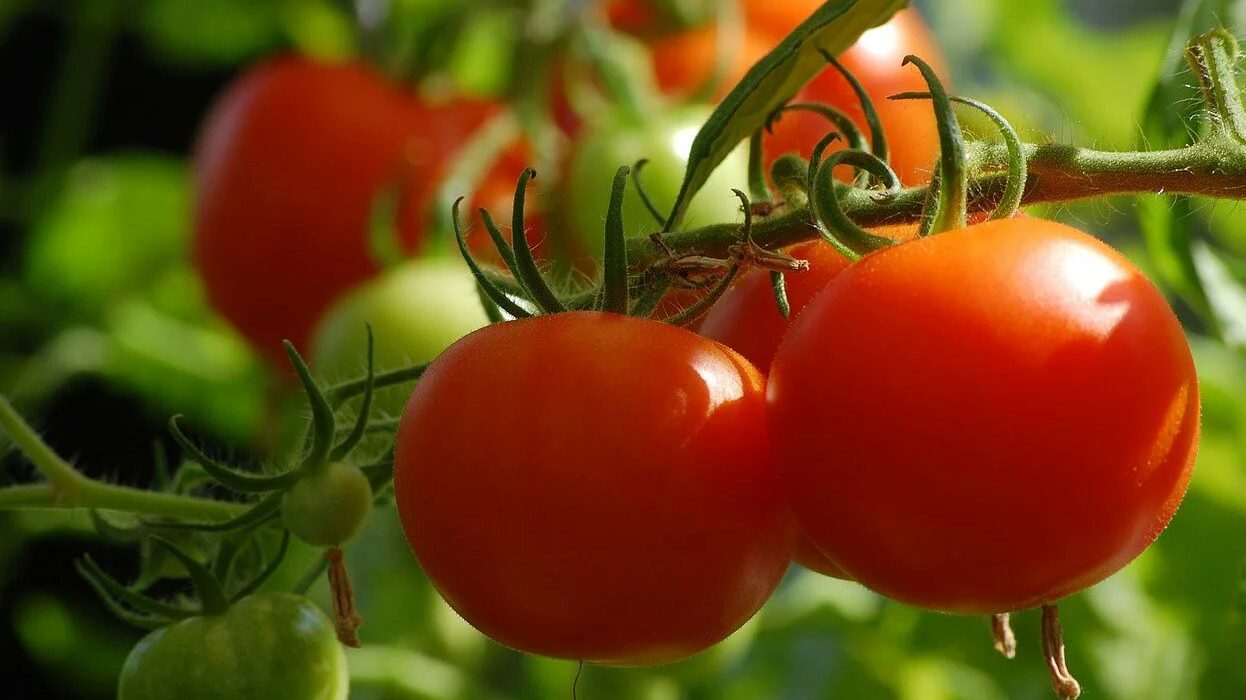
Tomatoes, in particular, are among the most perishable crops, with a very short shelf life. Without proper packaging or cooling systems, tomatoes often get bruised, overripe or rotten before reaching the market. This is where Tomato Flow steps in to make a difference.
How Tomato Flow works
Tomato Flow focuses on improving every stage of the post-harvest value chain to ensure that farmers get the most out of their harvests. The initiative introduces a combination of technology, training, and infrastructure aimed at solving the biggest causes of post-harvest losses.
Better Packaging:
Instead of using traditional sacks or bags that easily crush tomatoes, Tomato Flow promotes the use of ventilated crates and eco-friendly packaging materials. These containers prevent physical damage and allow for proper air circulation, keeping the tomatoes fresh and firm during transportation.
Cold Storage Solutions:
Temperature control is key in reducing spoilage. Tomato Flow introduces affordable cold storage units, including solar-powered cooling systems, that allow farmers to store produce for longer periods before selling. This helps them avoid selling at throwaway prices immediately after harvest.
Efficient transport:
Many farmers lose up to 30% of their produce during transport because of delays and poor road conditions. Tomato Flow works with logistics partners to improve transportation networks and timely delivery, ensuring that produce reaches markets quickly and in good condition.
Farmer training:
Beyond technology, Tomato Flow invests in training farmers on post-harvest handling techniques,how to harvest at the right time, sort by quality and handle produce gently to avoid bruising. Knowledge is a critical part of reducing waste.
Economic and social benefits
The benefits of Tomato Flow go beyond reducing food loss, it transforms entire farming communities.
For farmers, smarter post-harvest handling means they can extend the shelf life of their produce, reach markets on time and sell at better prices. This directly translates to fairer incomes and financial stability. Farmers no longer have to rush to sell at low prices or watch their harvests rot before reaching buyers.
For consumers, the project means more food on the table and better quality produce. Fresher tomatoes reach markets, improving nutrition and food availability, especially in urban areas.
On a broader level, Tomato Flow supports food security ensuring that what is produced actually gets eaten, not wasted. In countries facing hunger and malnutrition, cutting post-harvest losses is just as important as increasing production.
Environmental and sustainability impact
Reducing post-harvest losses also benefits the environment. Every kilogram of food wasted means wasted water, energy and land used during production. By minimizing these losses, Tomato Flow contributes to sustainable resource use and a smaller environmental footprint.
Additionally, the initiative promotes eco-friendly storage and transport solutions, including solar-powered cooling and recyclable packaging, aligning with global efforts to combat climate change.
Strengthening food systems
Tomato Flow plays a key role in building resilient and efficient food systems. By linking farmers to technology, training and reliable markets, it helps create a more connected and sustainable supply chain.
Stronger food systems mean less waste, higher productivity, and fairer distribution of resources. With better handling and logistics, countries can depend more on local produce instead of imports, promoting food independence and stability.
A Step toward a food-secure future
Post-harvest loss is one of agriculture’s hidden challenges, silently eating away at food supplies and farmer profits. Tackling it is essential to achieving Z ero Hunger, one of the United Nations’ Sustainable Development Goals (SDGs).
Through Tomato Flow, farmers are not only reducing waste but also reclaiming control over their livelihoods. More of their hard work reaches the market, more families have food on their tables, and communities move closer to sustainable food security.
Tomato Flow is more than just a project, it’s a movement toward smarter, fairer and more sustainable agriculture. By rethinking how food is handled after harvest, it offers a simple yet powerful solution to one of the biggest problems in global food systems.
Every crate of tomatoes saved from spoilage represents hope for farmers, food for families and a stronger economy for all. Tomato Flow proves that with the right innovation and collaboration, reducing post-harvest losses is not only possible but transformative.

Author: Moureen Koech
Moureen Koech is a passionate Digital Journalist, an adept Agribusiness Writer with a keen eye for news and an impactful story-teller,whose stories provide key value to Agripreneurs and stakeholders in the Agricultural sector