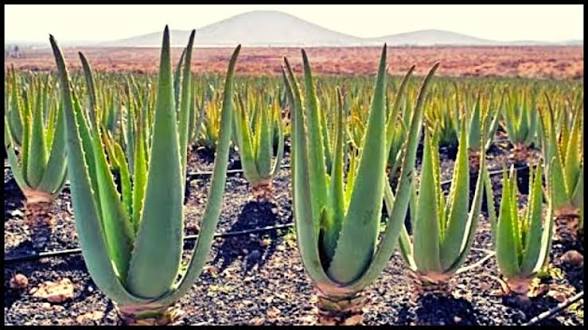
Aloe vera farming is rapidly gaining popularity as a profitable agribusiness venture, especially in regions with warm climates like Kenya. Known for its medicinal and cosmetic value, aloe vera is a hardy plant that requires minimal maintenance while offering high market demand. From skincare products to health supplements, aloe vera has become a valuable crop for both small-scale and commercial farmers.
Aloe vera is a succulent plant that thrives in dry and semi-arid conditions. It is well suited for farmers looking to invest in drought-resistant crops. The plant stores water in its thick leaves, making it highly tolerant to irregular rainfall. This resilience makes aloe vera farming an excellent option for areas affected by climate change and water scarcity.
One of the key advantages of aloe vera farming is its low startup and maintenance cost. Unlike many crops that require frequent irrigation, fertilizers and pesticides, aloe vera grows well with minimal inputs. Farmers can start aloe vera farming on a small piece of land and gradually expand as they gain experience and access to markets. This makes it an ideal agribusiness for youth and women entrepreneurs seeking affordable entry into agriculture.
Successful aloe vera farming begins with proper land preparation. The plant prefers well-drained sandy or loamy soils with a pH range of 7 to 8. Waterlogged soils should be avoided as they can cause root rot and reduce plant productivity. Before planting, farmers should clear the land, plough, and incorporate organic matter such as compost or manure to improve soil fertility.
Propagation of aloe vera is typically done using suckers, which are small offshoots that grow at the base of mature plants. These suckers are separated and transplanted into prepared fields. Proper spacing is essential to ensure healthy growth and maximize yields. A spacing of about 60 cm by 60 cm is commonly recommended, allowing enough room for the plants to spread and develop.
Although aloe vera is drought-resistant, regular watering is necessary during the early stages of growth. Once established, the plants require minimal irrigation. Overwatering should be avoided as it can lead to fungal diseases. Weed control is also important, especially during the first few months after planting, to reduce competition for nutrients and water.
Aloe vera plants mature within 8 to 12 months after planting. Harvesting involves cutting the outer leaves at the base while leaving the inner leaves to continue growing. This allows for continuous harvesting over several years, making aloe vera a long-term investment. A well-maintained aloe vera farm can remain productive for up to five years.
The market potential for aloe vera is vast and continually growing. The plant is widely used in the cosmetic, pharmaceutical and food industries. Aloe vera gel is a key ingredient in products such as lotions, creams, shampoos, and health drinks. Farmers can sell fresh leaves to processing companies or venture into value addition by extracting and packaging aloe vera gel.
Value addition significantly increases profitability in aloe vera farming. Instead of selling raw leaves at lower prices, farmers can process aloe vera into high-value products. These include skincare products, juices and herbal remedies. With proper branding and packaging, aloe vera products can be sold in local markets, supermarkets and even exported.
Marketing plays a crucial role in the success of aloe vera farming. Farmers should identify reliable buyers such as cosmetic manufacturers, herbal product companies, and health shops. Joining farmer cooperatives can also help in accessing better markets and negotiating fair prices. Additionally, digital platforms and social media provide opportunities to reach a wider customer base and promote aloe vera products.
Despite its many benefits, aloe vera farming is not without challenges. Farmers may face issues such as limited market access, lack of processing equipment and inadequate knowledge of value addition. However, these challenges can be overcome through training, research and collaboration with agricultural extension services.
Another important factor to consider is quality control. High-quality aloe vera products are in greater demand and fetch better prices. Farmers should adopt good agricultural practices to ensure their produce meets market standards. This includes proper handling, hygiene, and storage of harvested leaves.
Aloe vera farming also contributes to environmental sustainability. The plant helps in soil conservation and requires fewer chemical inputs compared to other crops. Its ability to grow in marginal areas makes it a suitable crop for promoting sustainable agriculture and improving livelihoods in rural communities.
In conclusion, aloe vera farming is a promising agribusiness opportunity with significant economic and environmental benefits. Its low maintenance requirements, high market demand and potential for value addition make it an attractive option for farmers in Kenya and beyond. With proper planning, market research, and investment in processing, aloe vera farming can become a reliable source of income and a pathway to agribusiness success.

Author: Moureen Koech
Moureen Koech is a passionate Digital Journalist, an adept Agribusiness Writer with a keen eye for news and an impactful story-teller,whose stories provide key value to Agripreneurs and stakeholders in the Agricultural sector