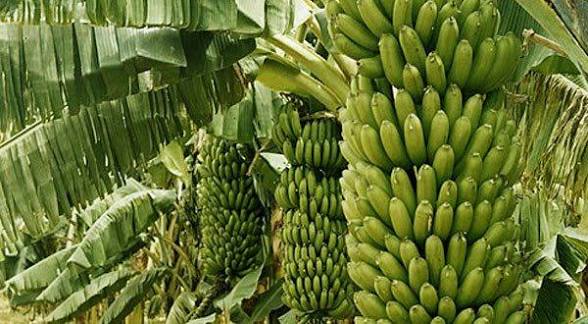
Banana farming is one of the most rewarding agribusiness ventures due to the crop’s year-round demand and consistent market. From households and local markets to supermarkets, processors, and export buyers, bananas remain a staple food and a profitable cash crop. However, many farmers fail to achieve the profits they expect because they overlook key production and management practices.
Successful banana farming is not about applying one excellent practice while ignoring the rest. Instead, profitability comes from combining quality planting materials, proper nutrition, irrigation, pest and disease control and reliable market access. Every stage of production influences the next and a weakness in one area can reduce overall yields and earnings.
Start with certified planting materials
The foundation of a profitable banana farm begins with selecting healthy planting materials. Farmers should invest in certified tissue-culture banana seedlings instead of ordinary suckers collected from existing farms.
Although tissue-culture seedlings cost more initially, they provide several long-term benefits. They are free from most soil-borne diseases, mature uniformly, produce vigorous plants and generally yield higher-quality bunches. Uniform growth also simplifies farm management, making fertilizer application, irrigation and harvesting more efficient.
Using uncertified field suckers increases the risk of introducing pests and diseases into the farm, leading to poor yields and expensive control measures later.
Choose the right site and plant spacing
Bananas thrive in deep, fertile, well-drained soils rich in organic matter. Waterlogged soils encourage root diseases and reduce plant growth, while shallow or infertile soils limit bunch size and productivity.
Before establishing a plantation, farmers should conduct a soil test to determine nutrient levels and soil pH. The results help guide fertilizer recommendations and soil improvement practices before planting.
Proper spacing is equally important. Planting too closely creates competition for sunlight, nutrients and moisture, resulting in smaller bunches and increased disease pressure due to poor air circulation. On the other hand, excessive spacing wastes valuable land and reduces the number of productive plants per acre.
Finding the right balance allows each plant to reach its full production potential while maximizing overall farm output.
Water management determines yield
Water is one of the biggest factors affecting banana productivity. Bananas require consistent moisture throughout their growth cycle because they contain a high percentage of water and produce large leaves that lose moisture rapidly.
Most banana plantations require approximately 25 to 30 millimeters of water every week. During prolonged dry periods, irrigation becomes essential to maintain healthy growth and proper fruit development.
Drip irrigation is among the most profitable investments a banana farmer can make. It delivers water directly to the root zone, reduces evaporation losses, conserves water and lowers labor costs. More importantly, it helps maintain consistent yields even during drought conditions.
Mulching with dry grass, crop residues, or banana leaves further conserves soil moisture while suppressing weeds and improving soil fertility as the organic material decomposes.
Apply nutrients according to growth stages
Bananas are heavy feeders that require continuous nutrient supply for vigorous growth and high fruit production. Applying fertilizer without considering the crop’s growth stage often leads to poor nutrient utilization and unnecessary expenses.
Nitrogen supports early vegetative growth and leaf development, while potassium is the most critical nutrient during flowering and fruit filling. Potassium improves fruit size, quality, sweetness and shelf life. Phosphorus promotes healthy root development, while micronutrients such as magnesium, calcium, zinc and boron support overall plant health.
Instead of following a blanket fertilizer schedule, farmers should match nutrient applications to the plant’s development stages. This targeted approach improves fertilizer efficiency, increases yields and maximizes returns on investment.
Regular addition of well-decomposed farmyard manure or compost also enhances soil structure and microbial activity while supplying valuable nutrients.
Prevent diseases before they occur
Disease management is one of the biggest determinants of banana farm profitability. Preventive measures are far more effective and affordable than trying to control outbreaks after they occur.
Among the most destructive diseases are Panama disease (Fusarium wilt) and Black Sigatoka. Panama disease attacks the plant’s vascular system, causing irreversible wilting, while Black Sigatoka damages leaves and reduces photosynthesis, leading to lower yields and poor fruit quality.
Farmers can reduce disease risks by planting resistant varieties, maintaining field hygiene, improving drainage, removing infected plants promptly, and disinfecting farm tools to prevent disease spread.
Routine scouting allows early detection of problems before they become widespread and costly.
Monitor pests regularly
Besides diseases, pests such as banana weevils and plant-parasitic nematodes can significantly reduce productivity.
Banana weevils bore into the corm, weakening the plant and making it susceptible to toppling before harvest. Nematodes attack the roots, reducing water and nutrient uptake while increasing the risk of lodging.
Regular field inspections, clean planting materials, crop sanitation and integrated pest management practices help keep pest populations below damaging levels.
Healthy plants are naturally more resistant to pest attacks than stressed or poorly nourished crops.
Improve fruit quality through proper bunch management
High-quality bananas command premium prices in both domestic and export markets. Proper bunch management protects fruits from physical damage and improves market appearance.
Farmers should remove old or diseased leaves through deleafing to improve air circulation and reduce disease pressure. Heavy bunches should also be supported using wooden stakes or support poles to prevent plants from falling over due to strong winds or excessive weight.
Bagging banana bunches with protective sleeves shields fruits from insects, sunburn, scratches, and dust while improving color and overall appearance.
These practices increase the percentage of marketable fruits and reduce post-harvest losses.
Harvest carefully and handle produce properly
Even after months of careful management, poor harvesting practices can destroy profitability.
Bananas should be harvested at the correct maturity stage depending on the intended market. Premature harvesting reduces fruit quality, while delayed harvesting shortens shelf life and increases transport damage.
Harvested bunches should be handled gently to avoid bruising, cuts, and scratches that reduce their value. Proper packaging and careful transportation are particularly important for farmers supplying supermarkets, hotels, processors, and export markets where quality standards are strict.
Good post-harvest handling preserves fruit quality and increases customer satisfaction.
Secure markets before planting
One of the biggest mistakes farmers make is searching for buyers only after harvest.
Different markets have varying quality requirements, volumes, and pricing structures. Local open-air markets, supermarkets, processing companies, and export buyers all demand different standards.
Establishing marketing agreements before production reduces uncertainty and minimizes price fluctuations. Farmers who understand market requirements early can tailor their production practices to meet buyer expectations and earn better prices.
Value addition through banana flour, banana chips, puree, wine or dried bananas can also create additional income streams and reduce losses during periods of market oversupply.
Track costs and maximize early income
Banana farming involves significant labor for planting, weeding, pruning, deleafing, irrigation, propping and harvesting. Instead of tracking expenses only per acre, farmers should monitor labor costs per kilogram of bananas produced. This provides a clearer picture of operational efficiency and highlights opportunities to reduce production costs.
During the first several months before banana plants form a full canopy, farmers can intercrop with short-season crops such as beans, vegetables, onions, or legumes. These intercrops generate additional income while improving land utilization and helping offset establishment costs.
Profitable banana farming is built on consistency rather than isolated success. Healthy planting materials, fertile soils, efficient irrigation, balanced nutrition, effective pest and disease management, proper bunch care and reliable markets all work together to determine a farm’s profitability.
Farmers who view banana production as an integrated system rather than a series of separate activities are more likely to achieve higher yields, produce premium-quality fruit, and enjoy steady profit margins year after year. With proper planning and disciplined management, banana farming can become one of the most sustainable and lucrative agribusiness ventures.

Author: Moureen Koech
Moureen Koech is a passionate Digital Journalist, an adept Agribusiness Writer with a keen eye for news and an impactful story-teller,whose stories provide key value to Agripreneurs and stakeholders in the Agricultural sector