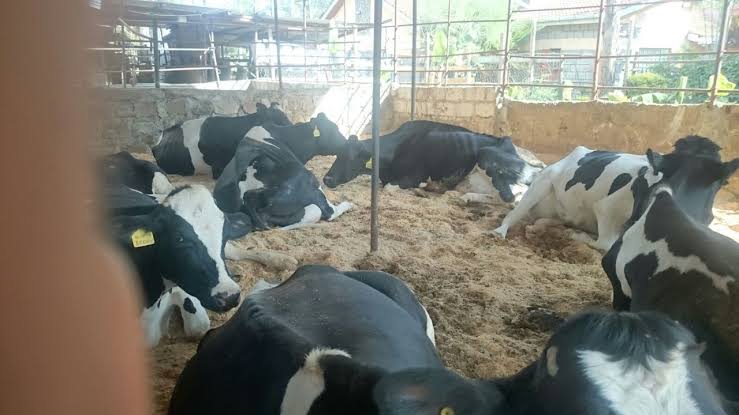
Mineral supplements are often overlooked in dairy farming, yet they play a vital role in maintaining healthy, productive cows. While quality forage, silage, hay and dairy meal provide energy and protein, they may not supply all the minerals a cow requires. Even the best-looking pasture can be deficient in essential nutrients, leading to poor milk production, fertility problems, slow growth and increased susceptibility to diseases.
Providing the right mineral supplements is one of the most cost-effective investments a dairy farmer can make. Healthy cows convert feed more efficiently, produce more milk, recover faster after calving and remain productive for many years. Understanding which minerals your cows need and when they need them can significantly improve farm profitability.
Why dairy cows need mineral supplements
Minerals are essential nutrients required for numerous body functions, including bone formation, muscle contraction, nerve function, enzyme activity, immunity, reproduction and milk production. Unlike energy and protein, minerals are needed in relatively small amounts, but a deficiency can have major consequences.
High-producing dairy cows have especially high mineral requirements because large quantities of nutrients are lost through milk every day. If these minerals are not replaced through feed or supplements, production and overall health begin to decline.However, since mineral content varies depending on soil type, pasture quality and feed ingredients, farmers should not assume their animals receive adequate minerals from grazing alone.
Essential minerals for dairy cows
Dairy cows require both macro minerals and trace minerals to remain healthy.
Calcium
Calcium is perhaps the most important mineral in dairy production. It supports strong bones and teeth while also playing a crucial role in muscle function, nerve transmission and milk production.
Lactating cows require large amounts of calcium because milk contains high calcium levels. Inadequate calcium can lead to milk fever, especially during the first few days after calving. This condition causes muscle weakness, inability to stand and if untreated, can become fatal.
Providing balanced calcium supplements before and after calving helps reduce the risk of deficiency.
Phosphorus
Phosphorus works closely with calcium to strengthen bones and improve energy metabolism. It also supports fertility, reproductive performance, and proper growth.
A phosphorus deficiency may cause poor appetite, slow growth, weak bones, reduced conception rates and decreased milk production.
Maintaining the correct calcium-to-phosphorus ratio is just as important as supplying adequate amounts of each mineral.
Magnesium
Magnesium is necessary for proper muscle and nerve function as well as energy utilization.
Deficiency can result in grass tetany, a serious condition commonly affecting grazing cattle, especially during periods of rapid pasture growth. Symptoms include muscle tremors, nervousness, difficulty walking and sudden collapse.
Providing mineral licks containing magnesium helps prevent this potentially fatal disorder.
Sodium and Chloride
These minerals are supplied mainly through common salt. They regulate body fluids, maintain appetite and support normal digestion.
Cows lacking sufficient salt often consume less feed, resulting in lower milk production and slower growth. Salt blocks or loose mineral mixes should always be available to dairy cattle.
Potassium
Potassium supports muscle activity, nerve function, and water balance within the body. It becomes particularly important during hot weather when cows lose electrolytes through sweating.
Although fresh forage often contains adequate potassium, supplementation may be necessary when feeding conserved feeds such as hay or silage.
Important trace minerals
While required in much smaller quantities, trace minerals are equally important.
Zinc supports hoof strength, skin health, wound healing and immunity. Copper contributes to enzyme activity, fertility, and healthy coat color. Selenium strengthens the immune system and works with vitamin E to reduce retained placenta and mastitis after calving. Iodine regulates thyroid function and metabolism, while manganese supports reproduction and skeletal development.
Deficiencies of trace minerals may not produce immediate symptoms, but they gradually reduce productivity, fertility and disease resistance.
Signs your dairy cows may need more minerals
Mineral deficiencies often develop slowly, making them difficult to identify until production losses become significant.
Common warning signs include reduced milk yield, poor fertility, delayed heat cycles, weak calves, slow growth, rough hair coats, excessive licking of soil or stones, weak bones, lameness, frequent illness, retained placenta and poor appetite.
Farmers observing these symptoms should consult a livestock nutritionist or veterinarian before introducing supplements to ensure deficiencies are correctly identified.
Choosing the right mineral supplement
Not all mineral supplements are the same. Farmers should choose products specifically formulated for dairy cattle rather than general livestock minerals.
Mineral supplements are available as loose mineral mixes, mineral blocks, powdered additives and concentrates that are mixed with dairy meal or total mixed rations.
When selecting a supplement, consider the cow’s stage of production. Growing heifers, dry cows, pregnant cows and high-producing lactating cows all have different nutritional requirements.
Reading product labels carefully helps ensure the supplement provides balanced levels of both macro and trace minerals.
Best practices for mineral feeding
Minerals should be available consistently throughout the year rather than only when problems appear. Dairy cows perform best when they receive a continuous supply of essential nutrients.
Mineral blocks should be placed where cows can easily access them, while loose mineral mixes should be protected from rain to prevent wastage.
Supplements should complement existing feeds rather than replace a balanced diet. High-quality forage, sufficient clean water, protein, and energy remain the foundation of dairy nutrition.
Periodic feed analysis and soil testing can also help identify nutrient deficiencies and guide supplementation programs more accurately.
Avoid Over-Supplementation
Although deficiencies are harmful, excessive mineral intake can also create health problems and unnecessary expenses.
Too much calcium can interfere with the absorption of other minerals, while excessive selenium or copper may become toxic. Balanced supplementation based on professional recommendations is always preferable to guessing.
Farmers should avoid mixing multiple mineral products without understanding their combined nutrient levels.
Mineral supplements are an essential component of successful dairy farming. They support milk production, fertility, immunity, strong bones, healthy calves and overall herd performance. Even cows receiving high-quality feeds may still require additional minerals because nutrient levels vary depending on soil conditions and forage quality.
Rather than viewing mineral supplements as an extra expense, dairy farmers should consider them a long-term investment. A well-balanced mineral program helps prevent costly diseases, improves feed efficiency, enhances reproductive performance, and increases milk yields. When combined with proper feeding, clean water and good herd management, the right mineral supplements contribute significantly to a healthier herd and a more profitable dairy enterprise.

Author: Moureen Koech
Moureen Koech is a passionate Digital Journalist, an adept Agribusiness Writer with a keen eye for news and an impactful story-teller,whose stories provide key value to Agripreneurs and stakeholders in the Agricultural sector