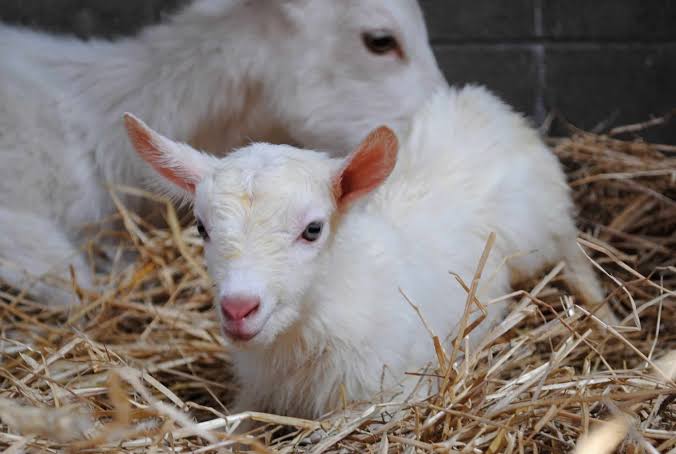
Goat farming can be a profitable enterprise for small-scale farmers, but high kid mortality can quickly reduce the returns from the business. The period immediately after birth is particularly risky because newborn goat kids are vulnerable to cold, hunger, infections and poor management. A kid that appears healthy at birth can become weak and die within hours if it does not receive proper care.
Understanding why goat kids die after birth is therefore essential for every goat farmer. Most early kid deaths are linked to preventable problems involving colostrum, hygiene, nutrition, temperature, difficult births and infections. Identifying these risks early can help farmers improve survival rates and build a stronger, more productive herd.
Failure to receive enough colostrum
One of the most common reasons goat kids die after birth is failure to receive enough colostrum. Colostrum is the first milk produced by the doe and contains antibodies, energy and nutrients that help protect the newborn from infections.
A kid should begin suckling as soon as possible after birth. Weak kids, twins and triplets, or kids born after a difficult delivery may struggle to reach the udder or suckle effectively. If the doe has poor milk production or rejects the kid, the newborn can quickly become weak.
Farmers should closely monitor newborn kids and ensure they are actually suckling rather than assuming that being close to the mother means they are feeding. If a kid cannot suckle, appropriate colostrum feeding should be provided promptly with guidance from a veterinarian or qualified animal health professional.
Hypothermia and exposure to cold
Newborn kids lose body heat quickly, particularly during cold, wet or windy weather. Hypothermia can cause weakness, reduced suckling ability and eventually death.
This problem is especially common when kids are born in poorly designed shelters or on wet floors. Farmers should provide a clean, dry and draft-free kidding area where newborns can remain warm.
The kid should be dried immediately after birth, particularly when the weather is cold. Good housing and adequate bedding can make a significant difference in preventing deaths caused by exposure.
Infections from dirty kidding areas
Poor hygiene during and after kidding can expose newborn kids to harmful bacteria. Their immature immune systems make them particularly vulnerable to infections.
Dirty bedding, contaminated feeding equipment, unclean udders and unhygienic kidding environments can introduce disease-causing organisms. The umbilical cord is another potential entry point for infection.
Farmers should keep kidding areas clean and dry and maintain good hygiene when handling newborns. The navel should be managed using an appropriate disinfectant according to veterinary or animal health guidance.
Regular cleaning of feeding equipment is also important, especially when milk or milk replacer is being provided manually.
Difficult births
Difficult or prolonged births can result in weak or injured kids. A kid that remains in the birth canal for too long may experience oxygen deprivation and be unable to stand or suckle normally after delivery.
Large kids, abnormal presentation and inexperienced or poorly conditioned does can increase the risk of difficult kidding. Farmers should observe does approaching delivery and seek professional assistance when labour appears abnormal or prolonged.
After a difficult birth, the kid should be monitored closely for breathing problems, weakness and inability to suckle.
Poor nutrition during pregnancy
The health of a newborn kid is influenced by the nutrition and management of its mother during pregnancy. Does that receive inadequate energy, protein, minerals or other essential nutrients may give birth to weak or underdeveloped kids.
Pregnant does should receive a balanced diet appropriate for their stage of pregnancy, with particular attention to the final weeks when nutritional demands increase.
Farmers should avoid relying entirely on poor-quality pasture during late pregnancy. The appropriate supplementation will depend on the available feed, breed, number of kids carried and local conditions.
Low birth weight and weak kids
Some kids are born unusually small or weak, particularly when the doe is carrying multiple offspring or has experienced poor nutrition during pregnancy.
Weak kids may struggle to stand, find the teat or compete with stronger siblings. Without intervention, they can become dehydrated and hypothermic.
Farmers should identify weak kids immediately and give them extra attention. They may need assistance to suckle and should be monitored more closely during the first days of life.
Diarrhoea and dehydration
Diarrhoea can cause rapid fluid and electrolyte loss in young goat kids. Severe diarrhoea may become life-threatening, particularly when accompanied by weakness or failure to suckle.
Contaminated milk, dirty feeding equipment, infections, sudden dietary changes and other conditions can contribute to diarrhoea.
Farmers should take persistent diarrhoea seriously rather than waiting for the kid to recover on its own. Veterinary advice is important because treatment depends on the underlying cause. Maintaining good hygiene and ensuring adequate colostrum intake can help reduce some risks.
Internal parasites and other diseases
Although very young kids may not immediately show signs of heavy parasite burdens, disease and parasite exposure can contribute to poor growth and mortality as they become older.
Conditions such as pneumonia, bacterial infections and other diseases can also kill young kids if not detected early. Signs such as coughing, nasal discharge, difficulty breathing, severe weakness, loss of appetite or abnormal temperature require prompt attention.
Farmers should work with animal health professionals to develop appropriate vaccination, parasite control and disease-prevention programmes for their area.
The doe rejecting the kid
Sometimes a doe may fail to accept or properly care for her newborn. This can occur after a difficult birth, particularly with inexperienced does or when the mother is stressed.
A rejected kid may remain hungry, become cold and eventually die if the farmer does not intervene. Farmers should observe the interaction between the doe and newborn after birth.
Where necessary, the kid may need to be assisted to suckle or hand-reared using an appropriate feeding programme.
Poor monitoring after birth
One of the biggest mistakes farmers make is assuming that once a kid is born, the danger has passed. The first days require close observation.
Farmers should monitor whether each kid is feeding, standing, moving normally and remaining warm. They should also watch for diarrhoea, coughing, weakness, swollen joints, abnormal behaviour and other signs of illness.
Keeping simple kidding records can help farmers identify patterns. If several kids die around the same age or show similar symptoms, the farmer should seek veterinary investigation rather than treating each case as an isolated incident.
How to reduce goat kid mortality
Reducing kid mortality begins before birth. Farmers should provide pregnant does with adequate nutrition, maintain clean housing and prepare a suitable kidding area. After birth, kids should be dried, kept warm and given adequate colostrum as soon as possible.
Good hygiene, proper navel care, close monitoring and timely veterinary intervention can further improve survival. Farmers should also avoid giving medications or antibiotics without professional guidance because inappropriate treatment can delay proper diagnosis and contribute to other problems.
Understanding why goat kids die after birth can help farmers prevent avoidable losses. Inadequate colostrum, cold weather, infections, difficult births, poor nutrition, low birth weight, diarrhoea and maternal rejection are among the major risks affecting newborn kids.
The first hours and days of life are critical. A farmer who prepares properly before kidding and closely monitors newborns afterward has a much better chance of raising healthy kids.
Reducing kid mortality is not only about saving animals; it directly improves the profitability of goat farming. More surviving kids mean more animals available for breeding or sale, helping farmers build stronger and more productive herds.

Author: Moureen Koech
Moureen Koech is a passionate Digital Journalist, an adept Agribusiness Writer with a keen eye for news and an impactful story-teller,whose stories provide key value to Agripreneurs and stakeholders in the Agricultural sector