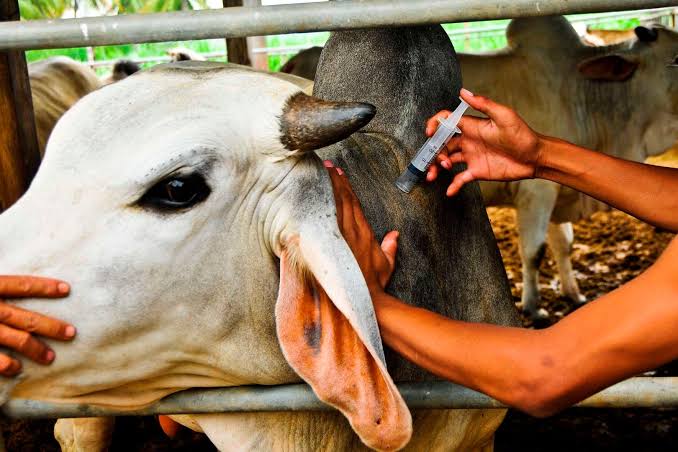
Livestock farming is an important source of income and food for many farmers around the world. Healthy animals produce better meat, milk, eggs and other products, making disease control essential for successful livestock production. However, livestock diseases remain one of the biggest challenges affecting farmers due to reduced productivity, high treatment costs and animal deaths.
Understanding common livestock diseases helps farmers identify symptoms early, apply proper treatment, and prevent disease outbreaks. Good livestock management practices are essential for maintaining healthy animals and improving farm profitability.
Importance of livestock disease management
Proper disease management protects animal health and improves overall farm productivity. Healthy livestock grow faster, reproduce better, and produce higher-quality products.
Early disease detection also helps:
- Reduce treatment costs
- Prevent disease spread
- Lower animal mortality
- Improve farm profits
Farmers who maintain strong disease prevention measures are more likely to achieve long-term success in livestock farming.
Foot and mouth disease
Foot and Mouth Disease is a highly contagious viral disease that affects cattle, goats, sheep, and pigs. The disease spreads quickly through direct contact, contaminated feed or infected equipment.
Common symptoms include:
- Fever
- Excessive salivation
- Blisters in the mouth and feet
- Difficulty walking
Infected animals may lose weight and produce less milk. Vaccination and movement control are important for preventing the spread of this disease.
Mastitis in dairy animals
Mastitis is a common disease affecting dairy cows and goats. It is an inflammation of the udder usually caused by bacterial infections.
Affected animals may show:
- Swollen udders
- Pain during milking
- Abnormal milk appearance
- Reduced milk production
Poor hygiene during milking often increases the risk of mastitis. Maintaining clean milking equipment and proper udder hygiene helps reduce infections.
Newcastle Disease in Poultry
Newcastle disease is a serious viral infection that affects poultry. It spreads rapidly and can cause heavy losses in chicken farming.
Symptoms include:
- Coughing and sneezing
- Greenish diarrhea
- Twisted necks
- Sudden death
Vaccination is one of the most effective ways to prevent Newcastle disease outbreaks in poultry farms.
East Coast Fever
East Coast Fever is a major tick-borne disease affecting cattle in many parts of Africa. The disease is caused by parasites transmitted through tick bites.
Signs of infection include:
- High fever
- Swollen lymph nodes
- Loss of appetite
- Breathing difficulties
Without early treatment, the disease can be fatal. Tick control and vaccination are important prevention measures.
Anthrax in Livestock
Anthrax is a dangerous bacterial disease that affects many livestock species, including cattle, goats and sheep. It can also infect humans, making it a serious public health concern.
Animals infected with anthrax may die suddenly without showing clear symptoms. In some cases, bleeding from body openings may occur.
Vaccination and proper disposal of dead animals are critical for preventing the spread of anthrax.
Coccidiosis
Coccidiosis is a parasitic disease commonly affecting poultry, rabbits, and young livestock. The disease attacks the digestive system and spreads through contaminated feed, water, or droppings.
Symptoms may include:
- Bloody diarrhea
- Weight loss
- Weakness
- Poor growth
Maintaining clean housing conditions and using preventive medications help control coccidiosis.
Brucellosis
Brucellosis is a bacterial disease that affects cattle, goats, sheep and pigs. It mainly affects the reproductive system and can also infect humans.
Common signs include:
- Abortions
- Infertility
- Weak newborn animals
- Reduced milk production
Testing animals regularly and removing infected animals from the herd helps reduce disease spread.
Worm Infestations
Internal parasites such as worms are common in livestock farming. Worms reduce nutrient absorption, weaken animals, and lower productivity.
Signs of worm infestation include:
- Weight loss
- Diarrhea
- Weakness
- Poor coat condition
Regular deworming and proper pasture management help control parasite problems.
Rabies
Rabies is a viral disease that affects the nervous system of animals and humans. It is commonly spread through bites from infected animals such as dogs or wild animals.
Symptoms in livestock may include:
- Aggressive behavior
- Excessive salivation
- Paralysis
- Difficulty swallowing
Vaccinating animals and controlling stray animals are important prevention measures.
Pneumonia in Livestock
Pneumonia is a respiratory disease affecting many livestock species, especially young animals. Cold weather, poor ventilation, and overcrowding increase the risk of infection.
Affected animals may show:
- Coughing
- Nasal discharge
- Fever
- Difficulty breathing
Providing proper housing and reducing stress helps prevent respiratory infections.
Causes of Livestock Diseases
Livestock diseases can result from viruses, bacteria, parasites, fungi, poor nutrition, or poor hygiene. Stress caused by overcrowding, poor housing, and sudden weather changes weakens animal immunity and increases disease risks.
Contaminated feed, water, and equipment can also spread infections quickly within a farm.
Importance of Vaccination
Vaccination is one of the most effective ways to protect livestock from infectious diseases. Vaccines help animals develop immunity against specific diseases and reduce the risk of outbreaks.
Farmers should follow recommended vaccination schedules based on animal species and local disease risks.
Good farm hygiene practices
Maintaining proper hygiene is essential for disease prevention. Farmers should regularly clean animal houses, feeding equipment and water troughs.
Good hygiene practices include:
- Removing manure regularly
- Disinfecting housing areas
- Isolating sick animals
- Providing clean water and feed
Healthy living conditions help reduce disease spread and improve livestock productivity.
Importance of proper nutrition
Balanced nutrition strengthens animal immunity and helps livestock resist diseases more effectively. Animals that receive proper feed and minerals are generally healthier and more productive.
Malnourished animals are more vulnerable to infections and recover slowly from illnesses.
When to seek veterinary assistance
Farmers should contact veterinarians whenever animals show unusual symptoms or sudden health changes. Early diagnosis and treatment improve recovery chances and reduce losses.
Professional veterinary guidance also helps farmers implement effective disease prevention programs.
Livestock diseases can greatly affect animal health, farm productivity, and profitability. Understanding common diseases such as Foot and Mouth Disease, mastitis, Newcastle disease and East Coast Fever helps farmers detect problems early and take appropriate action.
Good hygiene, vaccination, proper nutrition and regular veterinary care are essential for maintaining healthy livestock. By practicing effective disease prevention and management, farmers can reduce losses, improve productivity, and achieve long-term success in livestock farming.

Author: Moureen Koech
Moureen Koech is a passionate Digital Journalist, an adept Agribusiness Writer with a keen eye for news and an impactful story-teller,whose stories provide key value to Agripreneurs and stakeholders in the Agricultural sector