Demand for mutton and lamb keeps rising as populations grow and urban incomes improve. Yet many farmers still keep slow-growing local sheep that take a long time to reach market weight. Dorper sheep farming offers a practical alternative. Known for fast growth, hardiness and excellent meat quality, the Dorper has become one of the most popular meat sheep breeds in dry and semi-dry regions worldwide.
What are Dorper Sheep?
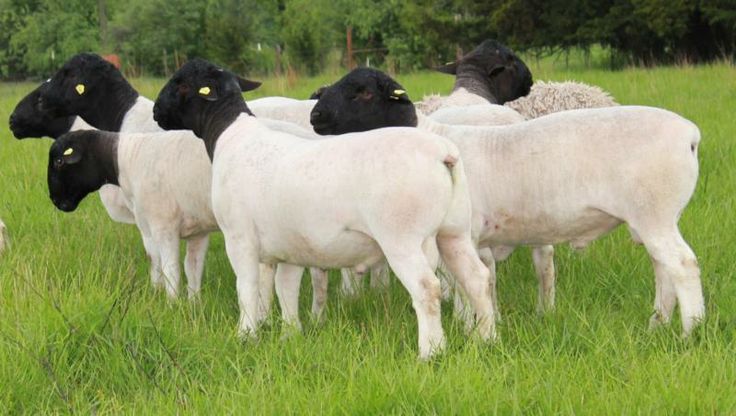
The Dorper was developed in South Africa in the 1930s by crossing the Dorset Horn with the Blackhead Persian. The goal was a breed that could thrive in harsh, dry conditions while producing high-quality meat. Dorpers come in two main types: the White Dorper, with an all-white body, and the Black-headed Dorper, with a white body and black head.
One of their biggest advantages is that they shed their coat naturally, so farmers do not need to shear them. They also have a thick, protective skin, which is valued in the leather industry, and they adapt well to heat and low-rainfall areas.
Why dorpers suit meat production
Dorpers grow quickly and reach market weight earlier than most indigenous breeds. With good feeding, lambs can reach slaughter weight in a matter of months, which shortens the time before income arrives. Their carcasses are well-fleshed and have a good proportion of lean meat, with mild-tasting meat that buyers appreciate.
They are also good breeders. Ewes are fertile, often have twins, and are known for strong mothering ability. With good management, a flock can lamb more than once a year, which multiplies numbers and income faster than traditional systems.
Housing and management
Dorpers do not need expensive housing, but they do need protection. A simple, well-ventilated shed with a raised slatted or dry floor keeps animals clean and reduces disease, especially foot problems. The structure should protect them from rain, strong wind and predators.
Plan for enough space so animals are not overcrowded, and separate rams, ewes, lambs and sick animals. Clean water must always be available, and a dry, well-drained area is essential, since damp conditions encourage parasites and foot rot.
Feeding for fast growth
Feed is the biggest cost in any sheep enterprise, and it largely determines profit. Dorpers do well on good pasture, supplemented with hay, silage or crop residues. Legume fodder such as lucerne, desmodium or calliandra boosts protein, while Napier grass and Rhodes grass supply bulk.
Lambs, pregnant ewes and breeding rams benefit from concentrate supplements, and all animals need mineral licks to prevent deficiencies. Farmers can cut costs by growing their own fodder and making hay or silage during the rainy season for use in the dry months.
Breeding tips
Start with healthy, registered or well-documented breeding stock from reputable breeders. A good ram has strong legs, a deep body and good musclin and one ram can serve many ewes. Avoid inbreeding by changing rams every couple of years or exchanging them with other farmers.
Keep simple records of birth dates, weights, matings and treatments. Selecting the fastest-growing, healthiest animals for breeding steadily improves the flock over time.
Health and disease control
Dorpers are hardy, but they are not immune to disease. Common problems include internal parasites such as worms, external parasites such as ticks and mites, foot rot and pneumonia. A regular schedule of deworming, vaccination, dipping or spraying and hoof trimming prevents most losses.
Work with a local veterinarian or animal health officer to design a programme suited to your area, and avoid giving drugs without proper advice. Rotating pastures also helps break parasite cycles.
Marketing and Income
Meat buyers include butcheries, restaurants, hotels, abattoirs, event caterers and households, with strong demand during festive seasons. Selling directly to butchers or restaurants usually gives better prices than selling through middlemen. Some farmers also sell breeding stock, since quality Dorper ewes and rams fetch higher prices than animals sold for meat.
Profitability depends on feed costs, mortality and market prices, so work out a simple budget before investing. Selling by weight rather than by guess helps ensure fair pricing.
Challenges to expect
Quality breeding stock can be expensive and sometimes hard to find. Feed shortages in the dry season, disease outbreaks and theft are common risks. Dorpers also need better management than local breeds to perform well, so the extra cost and effort must be planned for. Starting small and growing gradually helps manage these risks.
Dorper sheep farming can turn a modest piece of land into a steady source of meat and income. With the right breeding stock, good feeding, basic housing, disease control and a reliable market, farmers can build a profitable flock. For those looking to move beyond traditional sheep keeping, the Dorper is a breed worth serious consideration.

Author: Moureen Koech
Moureen Koech is a passionate Digital Journalist, an adept Agribusiness Writer with a keen eye for news and an impactful story-teller,whose stories provide key value to Agripreneurs and stakeholders in the Agricultural sector