As more consumers cut back on sugar, a small green leaf is gaining attention among farmers and food manufacturers. Stevia, a plant whose leaves are many times sweeter than sugar, is becoming one of the most promising niche crops in agribusiness. For farmers willing to learn its requirements, stevia farming offers a chance to supply a market driven by health awareness and changing diets.
What is stevia and why is demand rising
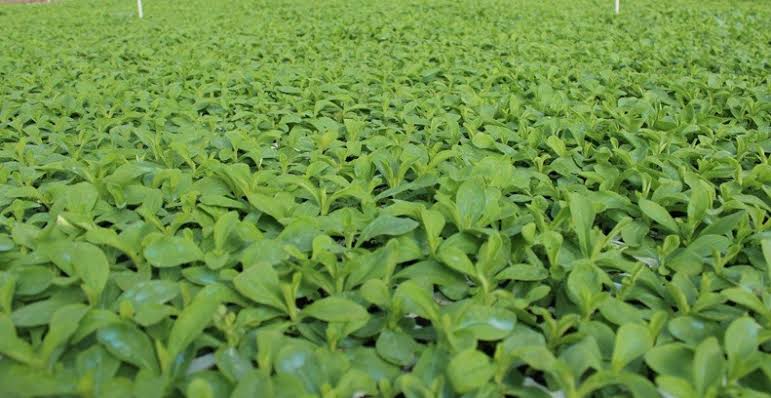
Stevia (Stevia rebaudiana) is a perennial herb native to South America. Its leaves contain compounds called steviol glycosides, which are roughly 200 to 300 times sweeter than table sugar yet carry virtually no calories. This makes stevia attractive to people managing diabetes, obesity and general sugar intake.
Demand is growing because of rising lifestyle diseases, sugar taxes in several countries and a global shift toward “clean label” foods. Beverage companies, bakeries, dairy processors and pharmaceutical firms are all reformulating products with natural sweeteners. Stevia is now used in soft drinks, yoghurts, chewing gum, tea blends and tabletop sweeteners, which gives farmers a wide base of potential buyers.
Growing conditions and land requirements
Stevia thrives in warm, moderately humid climates with plenty of sunlight. It does best in well-drained, loamy or sandy-loam soils with a slightly acidic to neutral pH, typically between 6.0 and 7.0. Waterlogged soils are a major risk because the shallow roots rot easily, so good drainage is essential.
The crop needs regular moisture, especially in its early stages, so access to reliable water or drip irrigation helps greatly. Frost and prolonged drought can damage plants, which makes site selection important. Many farmers start on a small plot, perhaps a quarter acre, to learn the crop before expanding.
Propagation and planting
Stevia seeds have low germination rates, so most commercial growers use stem cuttings or tissue-cultured seedlings. Cuttings are rooted in a nursery for several weeks before being transplanted. Tissue-culture plantlets cost more but give uniform, disease-free planting material, which improves yields.
Seedlings are usually planted in raised beds or rows with spacing of about 30 centimetres between plants and 45 to 60 centimetres between rows, though recommendations vary by variety and local advice. Mulching helps retain moisture and suppress weeds, which compete strongly with young stevia plants.
Crop care and harvesting
Stevia needs regular weeding, balanced fertilisation and consistent watering. Organic manure and compost work well, and farmers should avoid excess nitrogen, which can reduce sweetness. Pests and diseases such as aphids, leaf spot and root rot can appear, so good field hygiene and crop rotation are important.
Harvesting begins a few months after transplanting, usually just before flowering, when sweetness in the leaves peaks. Plants are cut back and allowed to regrow, so a well-managed field can be harvested several times a year. A stevia plantation typically stays productive for about four to five years before yields decline and replanting is needed.
Drying, Processing and Value Addition
After harvest, leaves must be dried quickly to protect quality. Farmers can use solar dryers or shade drying, then store the dry leaves in clean, airtight bags away from moisture. Dried leaf can be sold to processors, or farmers can add value by grinding it into powder or packaging it as stevia tea and herbal blends.
The real margins lie in processing. Extracting and refining steviol glycosides requires equipment and technical know-how, so small farmers often partner with processors or form cooperatives to share costs. Selling a processed or semi-processed product usually earns far more per kilogram than raw leaves.
Market opportunities and income potential
Buyers include beverage makers, food manufacturers, herbal tea companies, health shops and exporters. Local demand is still developing in many African countries, but imported stevia products on supermarket shelves show that a market already exists. Farmers who can supply quality dry leaf locally may find room to replace imports.
Income depends on yield, price, scale and whether the farmer sells raw or processed product, so it is wise to confirm current prices with buyers before planting. Securing a buyer or contract in advance reduces market risk considerably.
Challenges to plan for
Stevia is not a “plant and forget” crop. Establishment costs can be high, planting material may be hard to find, and labour needs are significant during weeding and harvesting. Market access is the biggest hurdle for many new growers, since the industry is still young in several regions. Quality standards from processors are also strict, so poor drying or contamination can lead to rejected batches.
Tips for getting started
Begin with a small pilot plot and learn the crop before scaling. Buy planting material from reputable suppliers, consult agricultural extension officers or research institutions, and visit existing stevia growers if possible. Most importantly, identify your buyers early, because a ready market protects your investment.
Stevia farming sits at the meeting point of agriculture and the global health-food trend. With careful site selection, quality planting material, proper drying and a secured market, it can become a profitable addition to a farm’s income. For farmers looking beyond traditional crops, stevia is a sweet opportunity worth exploring.

Author: Moureen Koech
Moureen Koech is a passionate Digital Journalist, an adept Agribusiness Writer with a keen eye for news and an impactful story-teller,whose stories provide key value to Agripreneurs and stakeholders in the Agricultural sector