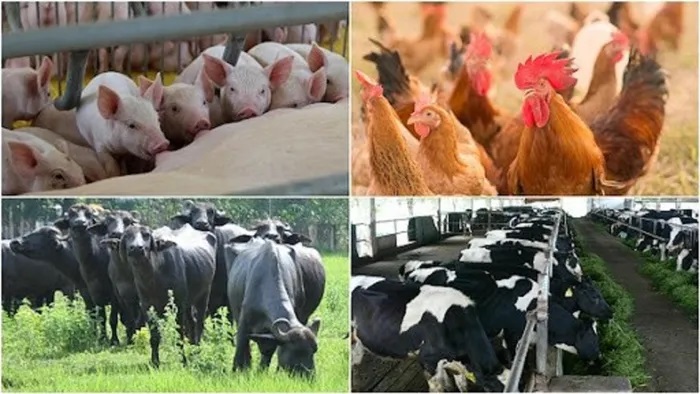
Agribusiness is one of the most important sectors in the global economy, combining agriculture with business principles to produce, process and distribute food and agricultural products. In countries like Kenya, agribusiness plays a critical role in employment, food security, and economic growth. From smallholder farmers to large-scale exporters, agribusiness touches nearly every aspect of daily life.
Understanding the facts about agribusiness can help farmers, entrepreneurs and investors make better decisions and tap into its vast opportunities.
Agribusiness is more than farming
One common misconception is that agribusiness only involves farming. In reality, it includes the entire value chain. This ranges from input supply (seeds, fertilizers, machinery) to production, processing, packaging, transportation and marketing.
For example, a tomato farmer is just one part of the agribusiness system. The suppliers of seeds, the transporters, the processors making tomato paste and the retailers selling the final product are all part of agribusiness. This wide scope creates multiple income streams beyond primary production.
It is a major employer
Agribusiness is one of the largest employers worldwide. In Kenya, it employs millions of people directly and indirectly, especially in rural areas. Youth and women form a significant portion of this workforce.
With rising unemployment, agribusiness offers opportunities in farming, logistics, processing, digital agriculture, and export businesses. It is increasingly becoming a solution to job creation, especially for young graduates.
Technology is transforming agribusiness
Modern agribusiness is no longer purely manual. Technology is revolutionizing how farming and agricultural trade are conducted. Innovations such as mobile apps, drones, precision farming, and digital marketplaces are making agriculture more efficient and profitable.
Platforms like Twiga Foods connect farmers directly to markets, reducing exploitation by middlemen. Similarly, data-driven tools help farmers predict weather patterns, monitor crop health, and improve yields.
Agribusiness is highly profitable when managed well
Agribusiness can be extremely profitable, but success depends on proper planning and management. High-value crops such as avocados, macadamia, herbs and exotic fruits often generate better returns than traditional staples.
However, profitability also depends on factors such as market access, cost control, value addition, and timing. Farmers who treat agriculture as a business, keeping records, analyzing costs, and targeting markets, tend to succeed more.
Value addition increases income
One of the most important facts about agribusiness is the power of value addition. Selling raw produce often yields lower profits compared to processed goods.
For instance, instead of selling raw milk, processing it into yogurt or cheese can significantly increase earnings. Similarly, drying fruits, packaging vegetables, or producing juices can open up new markets and improve profit margins.
Value addition also reduces post-harvest losses, which are a major challenge in many developing countries.
Climate change is a major challenge
Agribusiness is highly dependent on climate conditions, making it vulnerable to climate change. Unpredictable rainfall, prolonged droughts and extreme weather events affect production and supply chains.
In regions like Sub-Saharan Africa, climate change has already impacted food security. As a result, farmers are adopting climate-smart practices such as irrigation, drought-resistant crops and conservation agriculture.
Access to markets determines success
Producing high yields is not enough, farmers must have access to reliable markets. Many farmers struggle not because they cannot produce, but because they lack buyers or sell at low prices due to poor market linkages.
Successful agribusinesses focus on market research before production. Contract farming, cooperatives and digital platforms are helping bridge the gap between farmers and consumers.
Agribusiness requires proper financial management
Another important fact is that agribusiness is capital-intensive. Farmers need funds for seeds, fertilizers, labor, irrigation and transportation.
Poor financial planning can lead to losses even when production is good. Keeping records, budgeting and reinvesting profits are essential practices for sustainability. Access to credit and financial services also plays a crucial role in business growth.
Export markets offer huge opportunities
Agribusiness is not limited to local markets. Kenya is a major exporter of agricultural products such as tea, coffee, flowers and fresh vegetables.
International markets often offer higher prices, especially for organic and high-quality produce. However, exporting requires compliance with strict standards, certifications and proper logistics.
Farmers and agribusiness entrepreneurs who meet these requirements can significantly increase their income through exports.
Agribusiness is a key driver of economic growth
Agribusiness contributes significantly to national economies. In Kenya, it accounts for a large percentage of GDP and supports other industries such as manufacturing, transport and retail.
Governments and organizations like the Food and Agriculture Organization continue to invest in agriculture to improve productivity, food security and rural development.
Agribusiness is a dynamic and rewarding sector with vast opportunities for growth and innovation. It goes beyond farming to include the entire agricultural value chain, offering multiple entry points for entrepreneurs and investors.

Author: Moureen Koech
Moureen Koech is a passionate Digital Journalist, an adept Agribusiness Writer with a keen eye for news and an impactful story-teller,whose stories provide key value to Agripreneurs and stakeholders in the Agricultural sector