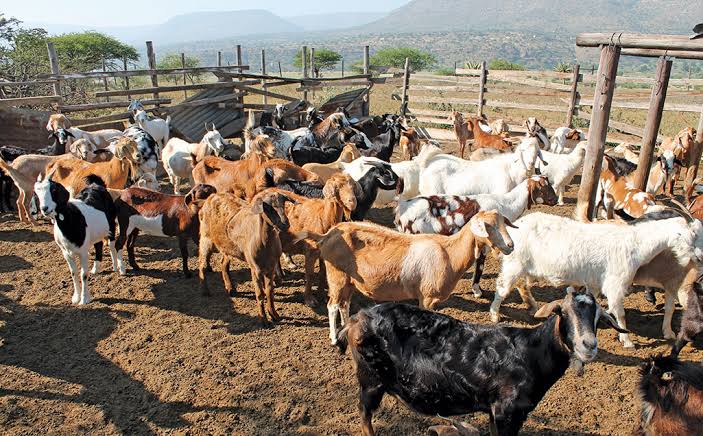
Starting a goat farming business can be highly profitable, especially in regions with strong demand for goat meat, milk and related products. However, success in goat farming doesn’t come from simply buying animals and hoping for the best. It requires knowledge, planning, and consistent management. If you’re thinking about venturing into goat farming, here are the critical areas you must master before you invest your time and money.
1. Breeds and Selection
The foundation of any successful goat farm begins with choosing the right breed. Different breeds are suited for different purposes, some are ideal for meat production, others for milk and some for fiber. For instance, meat breeds grow faster, while dairy breeds produce higher milk yields. Always consider local adaptability; goats that thrive in your region’s climate will require less maintenance and have better survival rates.
2. Nutrition
Proper nutrition is key to healthy and productive goats. A balanced diet should include green forage, dry roughage like hay, and essential minerals. Supplementing with concentrates may be necessary depending on your production goals. Poor nutrition leads to slow growth, low fertility, and increased susceptibility to diseases, which ultimately affects your profits.
3. Housing and Fencing
Goats need a clean, dry, and well-ventilated shelter to protect them from harsh weather conditions. Proper housing reduces stress and disease outbreaks. Strong fencing is equally important to keep predators out and prevent goats from wandering off. Remember, goats are naturally curious and excellent escape artists.
4. Health Management
Disease prevention and early detection are crucial in goat farming. Learn to identify common symptoms of illness such as loss of appetite, coughing or abnormal behavior. Regular vaccination and deworming schedules should be followed strictly. Having access to a veterinary professional can save your herd from devastating losses.
5. Breeding and Reproduction
Understanding goat reproduction is essential for maintaining and expanding your herd. Learn about heat cycles, mating methods and gestation periods. Proper timing ensures higher conception rates, while good genetic selection improves the quality of your offspring. Additionally, proper care for newborn kids increases survival rates.
6. Record-Keeping
Accurate record-keeping helps you track the performance of your farm. Keep records of births, vaccinations, feed costs, breeding history and sales. These records provide valuable insights that guide decision-making and help you identify areas for improvement.
7. Market Knowledge
Before starting, research your target market thoroughly. Identify potential buyers for goat meat, milk, hides, and manure. Understand pricing trends and seasonal demand. Having a ready market ensures you can sell your products quickly and at profitable rates.
8. Pasture and Grazing Management
Efficient pasture management ensures your goats have access to quality feed year-round. Practice rotational grazing to prevent overgrazing and maintain soil fertility. Incorporating legumes and improved grasses enhances the nutritional value of your pasture, leading to healthier animals.
9. Legal Requirements
Compliance with local livestock regulations is essential. Obtain the necessary permits and licenses required to operate legally. Also, follow animal movement and health regulations to avoid penalties and ensure your farm operates smoothly.
10. Feed Storage
Proper storage of feed is often overlooked but extremely important. Store hay, grains and supplements in a dry, well-ventilated and rodent-proof environment. Poor storage can lead to spoilage and contamination, which can harm your goats and increase costs.
11. Water Supply
A constant supply of clean water is non-negotiable. Goats need water for digestion, temperature regulation, and overall health. Dehydration can quickly lead to reduced productivity and serious health issues.
12. Herding and Handling
Managing goats requires skill and patience. Learn low-stress handling techniques to move and manage your herd efficiently. Proper handling reduces injuries, improves animal welfare, and makes daily farm operations smoother.
13. Business Planning
Treat goat farming as a business, not a hobby. Develop a detailed business plan that outlines your startup costs, expected income, and risk management strategies. Planning helps you stay focused and financially prepared for challenges.
14. Biosecurity Measures
Protecting your farm from disease outbreaks is critical. Limit access to your farm, quarantine new animals before introducing them to your herd and maintain strict hygiene practices. Biosecurity reduces the risk of infections that can wipe out your investment.
Goat farming can be a rewarding and profitable venture, but only if approached with the right knowledge and preparation. Mastering these essential areas will not only reduce risks but also increase your chances of success. Take the time to learn, plan, and implement best practices before starting your goat farming journey.
When done correctly, goat farming can provide a sustainable source of income, food security and long-term growth for your agribusiness.

Author: Moureen Koech
Moureen Koech is a passionate Digital Journalist, an adept Agribusiness Writer with a keen eye for news and an impactful story-teller,whose stories provide key value to Agripreneurs and stakeholders in the Agricultural sector